
Being diagnosed with a chronic condition can change the way you think about your health.
Whether you are living with hypertension, diabetes, high cholesterol, heart disease, asthma, chronic kidney disease or another long-term condition, the goal is not simply to treat symptoms when they appear. Long-term disease management is about keeping the condition under control, reducing the risk of complications and helping you continue to live as normally and independently as possible.
For patients in Singapore, there are also established pathways for managing chronic conditions through GPs, polyclinics, specialist clinics and programmes such as Healthier SG and the Chronic Disease Management Programme (CDMP). (Ministry of Health)
As an internal medicine specialist, I believe effective chronic disease management starts with something simple: understanding your condition and having a clear, sustainable plan for managing it.
What is a chronic condition?
A chronic condition is a health problem that generally lasts for a long period and requires ongoing monitoring, treatment or lifestyle adjustments.
Examples include:
- High blood pressure or hypertension
- Diabetes
- High cholesterol
- Heart disease
- Chronic kidney disease
- Asthma and COPD
- Arthritis
- Gout
- Certain neurological conditions
- Some long-term liver conditions
Chronic diseases can develop because of a combination of genetic, physiological, environmental and behavioural factors. They may not always cause obvious symptoms, particularly in their early stages. (World Health Organization)
This is one reason regular medical follow-up matters, even when you feel well.
Why long-term disease management matters
One of the most common misconceptions is that if you feel better, your chronic condition must be under control.
Unfortunately, that is not always the case.
Conditions such as hypertension and high cholesterol may cause few or no noticeable symptoms while still increasing the risk of complications over time. Effective management therefore involves looking beyond how you feel on a particular day.
Depending on your condition, long-term management may help reduce the risk of complications involving the heart, brain, kidneys, eyes and other organs.
The approach should also be proactive rather than waiting until a problem becomes severe. The World Health Organization emphasises early detection, screening and appropriate treatment as important components of managing non-communicable diseases. (World Health Organization)
1. Understand your condition
The first step is knowing what you are actually managing.
Ask your doctor:
- What exactly is my condition?
- How severe is it?
- What caused or contributed to it?
- What complications should I be aware of?
- What numbers or symptoms should I monitor?
- How often should I have follow-up appointments?
- What can I do to improve my health?
Understanding the reason behind your treatment can make it easier to follow your management plan.
For example, someone with hypertension should understand that treatment is not simply about lowering a blood pressure reading on one particular day. It is about maintaining appropriate blood pressure over time and addressing other cardiovascular risk factors.
2. Take prescribed medication consistently
Medication may be an important part of managing many chronic conditions.
However, taking medication only when you feel unwell can be a problem for conditions that may remain silent.
If you have difficulty remembering your medicines, experience side effects or are unsure whether you still need a particular medication, discuss this with your doctor rather than stopping it yourself.
It is also useful to keep an updated list of your medicines, particularly if you see more than one doctor.
This becomes especially important when a person has multiple chronic conditions. Having several medications and appointments can create a significant treatment burden, and care should be coordinated around the patient’s priorities and overall wellbeing. (Nice)
3. Monitor the numbers that matter
Depending on your condition, your doctor may ask you to monitor certain health measurements.
These could include:
- Blood pressure
- Blood glucose
- Cholesterol
- Weight
- Heart rate
- Kidney function
- Other disease-specific measurements
Keeping a record can help you and your doctor understand trends rather than relying on a single reading.
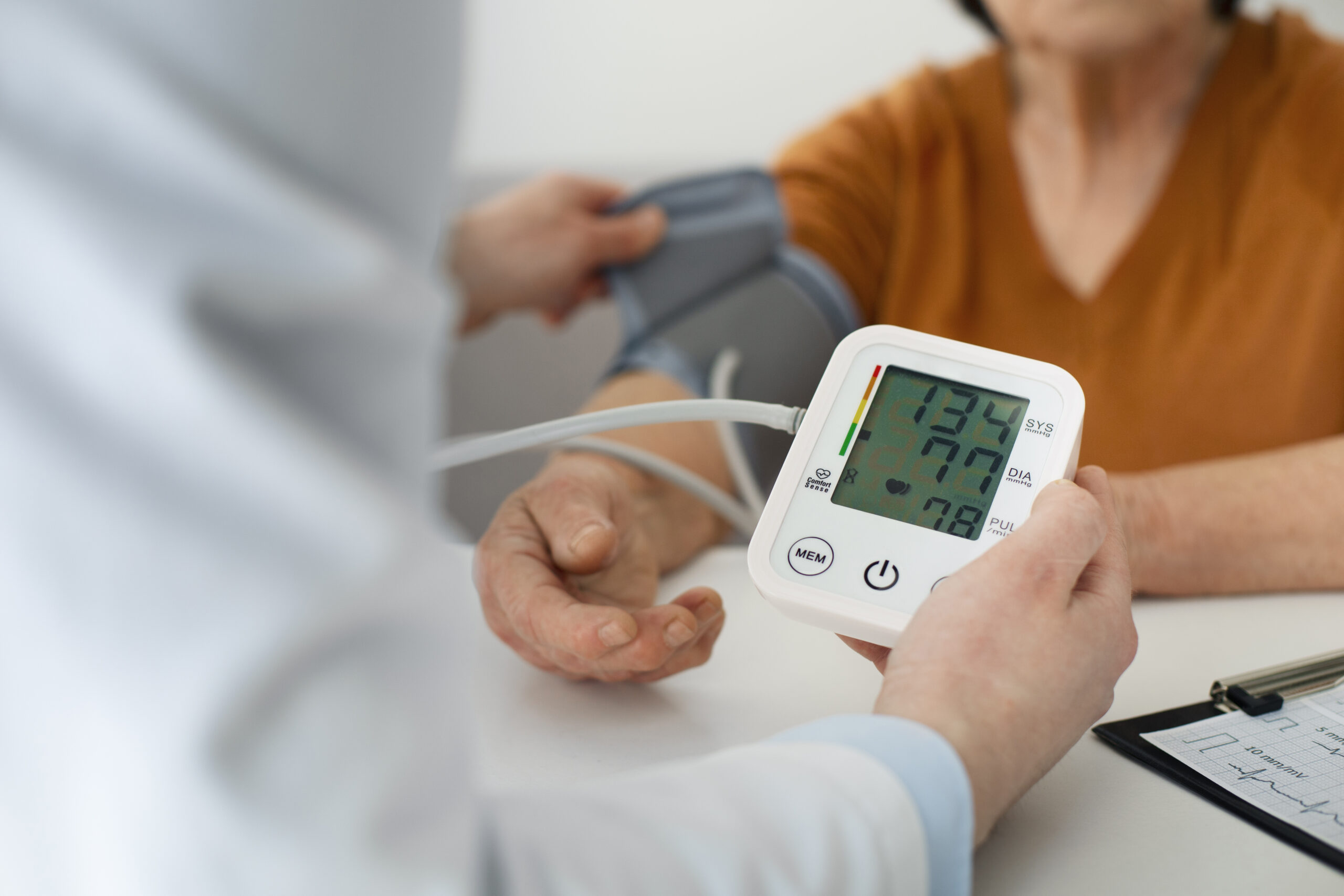
For instance, home blood pressure measurements can provide useful information for people being monitored for hypertension. Your doctor can advise you on how frequently you should measure it and how to interpret the readings.
4. Make lifestyle changes that you can actually maintain
Lifestyle management is not about making your life perfect overnight.
The most useful changes are usually those you can maintain for months and years.
Depending on your condition and individual circumstances, this may involve:
Eating a balanced diet
Focus on a varied diet with appropriate portions and plenty of vegetables, fruits and other minimally processed foods.
For people with conditions such as hypertension, diabetes or high cholesterol, dietary changes may form an important part of overall risk reduction.
Staying physically active
Regular physical activity can support cardiovascular health, fitness, weight management and overall wellbeing.
The appropriate amount and intensity will depend on your age, health and existing medical conditions. If you have significant medical problems or have been inactive for a long time, discuss an appropriate exercise plan with your healthcare professional.
Avoiding tobacco
If you smoke, quitting can significantly benefit your long-term health.
Maintaining a healthy weight
For some people, weight management can improve several cardiovascular and metabolic risk factors at the same time.
Getting adequate sleep
Sleep is often overlooked when people focus on diet and exercise. Good sleep is an important part of maintaining overall health and wellbeing.
The key is not to pursue a dramatic lifestyle overhaul that becomes impossible to sustain. Small, consistent changes are often more realistic.
5. Keep your medical appointments
Regular reviews allow your healthcare team to determine whether your condition is adequately controlled and whether your management plan needs to be reconsidered.
Your follow-up may include:
- Reviewing symptoms
- Checking blood pressure or other measurements
- Reviewing medication
- Assessing blood tests
- Monitoring organ function
- Reviewing lifestyle factors
- Screening for complications
- Discussing your concerns and goals
Singapore’s healthcare system places significant emphasis on managing chronic conditions in the community. GPs and polyclinics provide chronic disease care, while patients can be referred to specialists when more complex assessment or treatment is needed. (Ministry of Health)
6. Know when you may need specialist input
Not every chronic condition requires specialist care.
Many stable conditions can be effectively managed by a regular GP or family physician. However, specialist input may be appropriate when a condition is difficult to control, complications are suspected, the diagnosis is uncertain or several medical problems interact with one another.
An internal medicine doctor in Singapore can be particularly useful when an adult has several interconnected health concerns or when the underlying cause of symptoms or abnormal test results needs a broader medical assessment.
Internal medicine focuses on adult health and complex medical conditions. The approach is often particularly useful when different conditions or treatments may affect one another.
7. Don’t overlook preventive healthcare
Managing an existing condition does not mean ignoring the rest of your health.
Depending on your age, medical history and risk factors, preventive care may include appropriate:
- Health screenings
- Vaccinations
- Cardiovascular risk assessment
- Cancer screening
- Eye examinations
- Kidney monitoring
- Bone health assessment
Singapore’s Healthier SG programme uses personalised Health Plans to support preventive care and the long-term management of chronic conditions. (HealthHub)
8. If you have multiple conditions, look at the whole picture
Managing one condition at a time can become complicated when a person has several chronic diseases.
For example, someone may have hypertension, diabetes and high cholesterol while also taking several medications.
In such situations, the question should not simply be whether each individual condition is being treated. It is also important to consider how the conditions, medications and lifestyle recommendations fit together.
Guidance on multimorbidity highlights the importance of considering treatment burden, medication risks, patient priorities and quality of life when managing people with multiple long-term conditions. (Nice)
This is where a coordinated medical approach can be particularly valuable.
What support is available in Singapore?
Singapore has several mechanisms designed to support people living with chronic diseases.
The Chronic Disease Management Programme (CDMP) covers 23 chronic conditions, including hypertension, diabetes, lipid disorders, stroke, asthma, COPD, chronic kidney disease, ischaemic heart disease and gout. Eligible patients may use MediSave for covered outpatient treatment, subject to the applicable rules and withdrawal limits. (HealthHub)
Healthier SG also aims to anchor preventive and chronic care within primary care, with enrolled patients able to develop a personalised Health Plan with their doctor. (HealthHub)
These programmes can make ongoing care more accessible, but patients should still discuss their individual eligibility and healthcare options with their clinic.
When should you seek medical attention urgently?
A chronic condition does not mean every new symptom is an emergency. However, some symptoms require urgent assessment.
Seek emergency medical attention for symptoms such as:
- Severe or sudden chest pain
- Significant difficulty breathing
- Sudden weakness or numbness, particularly on one side
- Sudden difficulty speaking or understanding speech
- Loss of consciousness
- Severe or rapidly worsening symptoms
- Other symptoms that your doctor has specifically told you require urgent attention
If you are unsure whether a symptom is related to your chronic condition, it is safer to seek appropriate medical advice rather than assuming it is harmless.
Living well with a chronic condition
A chronic diagnosis does not mean that your health has to become a constant source of worry.
Good long-term management is about building a system that works for you.
Know your condition. Take prescribed treatment as directed. Monitor what matters. Make sustainable lifestyle changes. Attend regular reviews. And make sure your healthcare providers understand the bigger picture of your health.
For patients with complicated or multiple medical concerns, speaking with an internal medicine doctor in Singapore can help provide a broader assessment and coordinate the different aspects of adult healthcare.
The aim is not simply to live with a chronic condition. It is to manage it thoughtfully so that you can continue to live your life with greater confidence and as few limitations as possible.
Medical disclaimer: This article is intended for general educational purposes and does not replace a medical consultation, diagnosis or individualised treatment plan. If you have symptoms or concerns about an existing medical condition, consult a qualified healthcare professional.
5. 10 FAQs
1. What is long-term disease management?
Long-term disease management is the ongoing process of monitoring and treating a chronic condition while making appropriate lifestyle changes and preventing or detecting complications.
2. Can chronic diseases be cured?
Some chronic conditions can be controlled very effectively, while others require lifelong management. Whether a condition can be cured depends on its specific cause and nature.
3. Do I need regular check-ups if I feel well?
Yes. Some chronic conditions, including hypertension and high cholesterol, may cause few symptoms. Regular reviews can help identify changes before complications develop.
4. Should I stop my medication if my condition improves?
Do not stop or change prescribed medication without speaking to your doctor. An improvement in symptoms or test results may mean that treatment is working rather than that the underlying condition has disappeared.
5. Can lifestyle changes replace medication?
Lifestyle changes can be an important part of chronic disease management, but whether medication is still required depends on the individual condition and risk level. Discuss this with your doctor.
6. When should I see an internal medicine doctor in Singapore?
Specialist assessment may be useful when a medical condition is difficult to control, the diagnosis is unclear, several conditions are interacting, or a broader assessment of complex adult health problems is needed.
7. How can I keep track of my chronic condition?
Keep a record of relevant measurements, symptoms, medications, appointments and test results. Bring this information to your medical reviews.
8. What if I have several chronic conditions?
Tell your healthcare providers about all your conditions and medications. When several conditions coexist, treatment decisions should consider the overall picture rather than focusing on each condition in isolation.
9. What chronic conditions are covered under Singapore’s CDMP?
The CDMP covers 23 conditions, including hypertension, diabetes, hyperlipidaemia, stroke, asthma, COPD, chronic kidney disease, ischaemic heart disease, gout and several others. Eligibility and financing rules apply. (HealthHub)
10. How can I manage a chronic condition without becoming overwhelmed?
Focus on a few sustainable priorities at a time. Keep your medication and appointment schedule organised, understand what you need to monitor and discuss difficulties with your healthcare team. A coordinated care plan can make long-term management easier.