
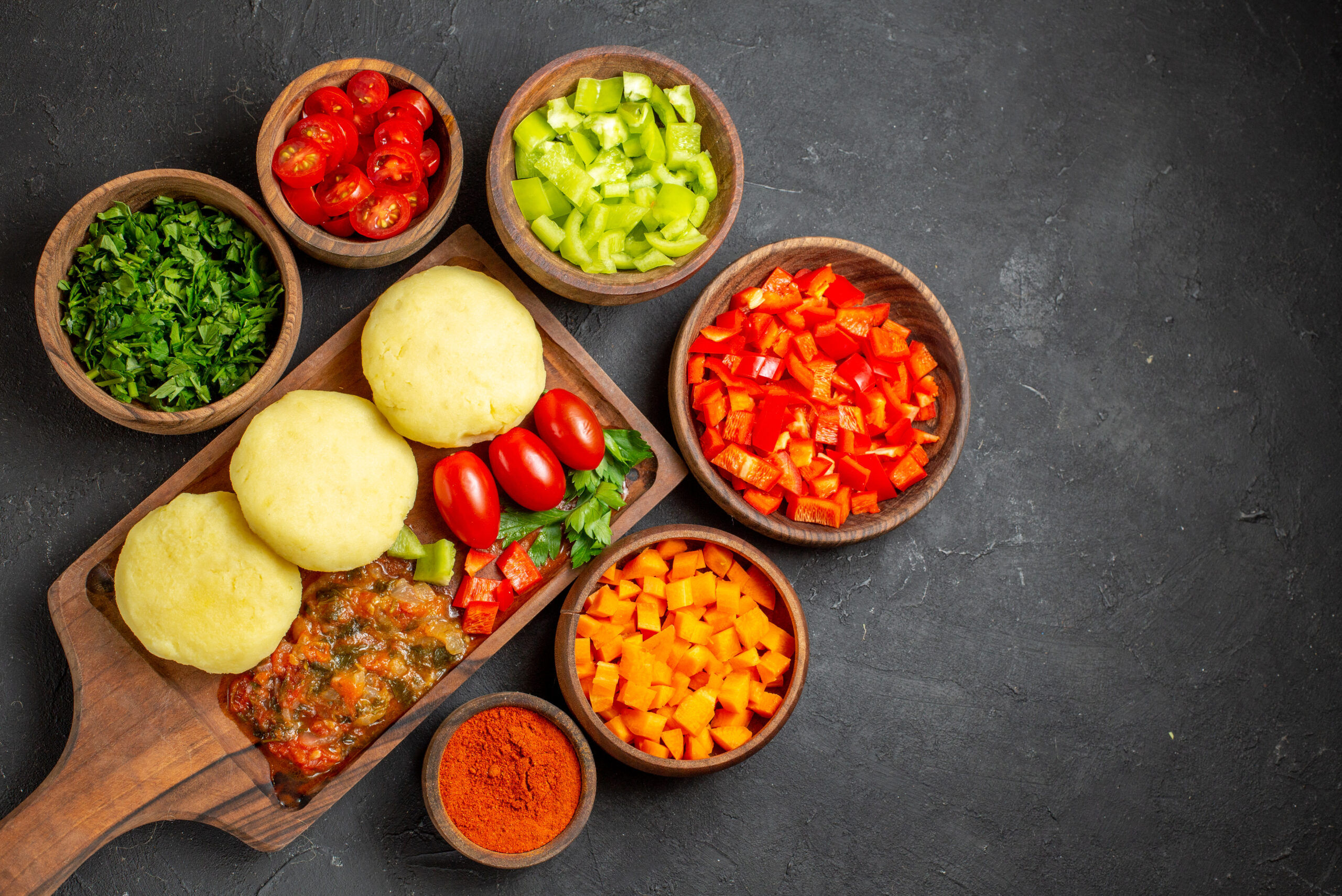
Blood pressure shifts quietly with the way we eat. Many people are surprised to learn that a salty dinner, a sugary drink, or even certain “healthy” snacks can nudge readings upward. As an Internal medicine doctor in Singapore, I often remind patients that managing blood pressure starts with everyday food choices, not just medication.
Singapore’s food culture is rich and comforting, but the sodium, sugar, and processed ingredients in many dishes can affect blood pressure more than we realise. Understanding this connection gives you real control over your heart health.
What Blood Pressure Really Means
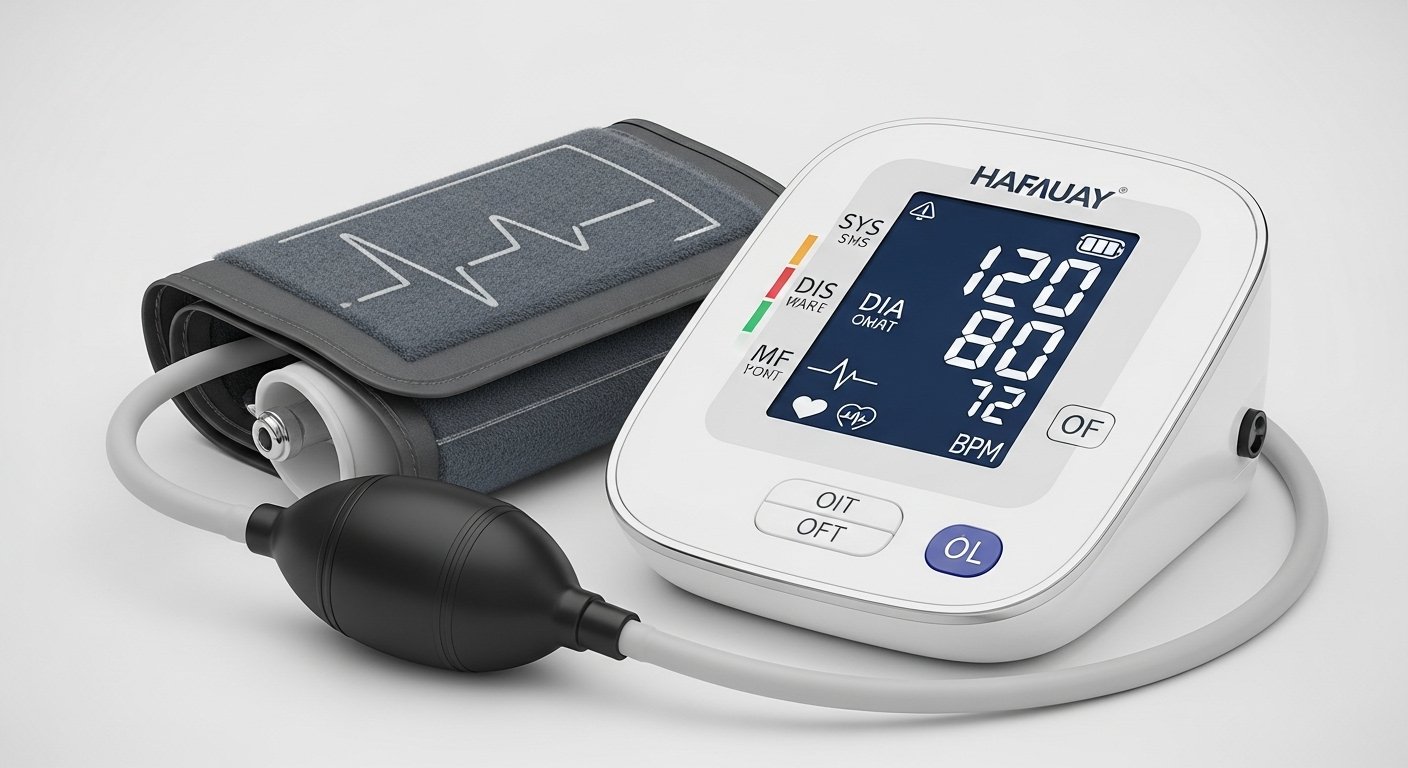
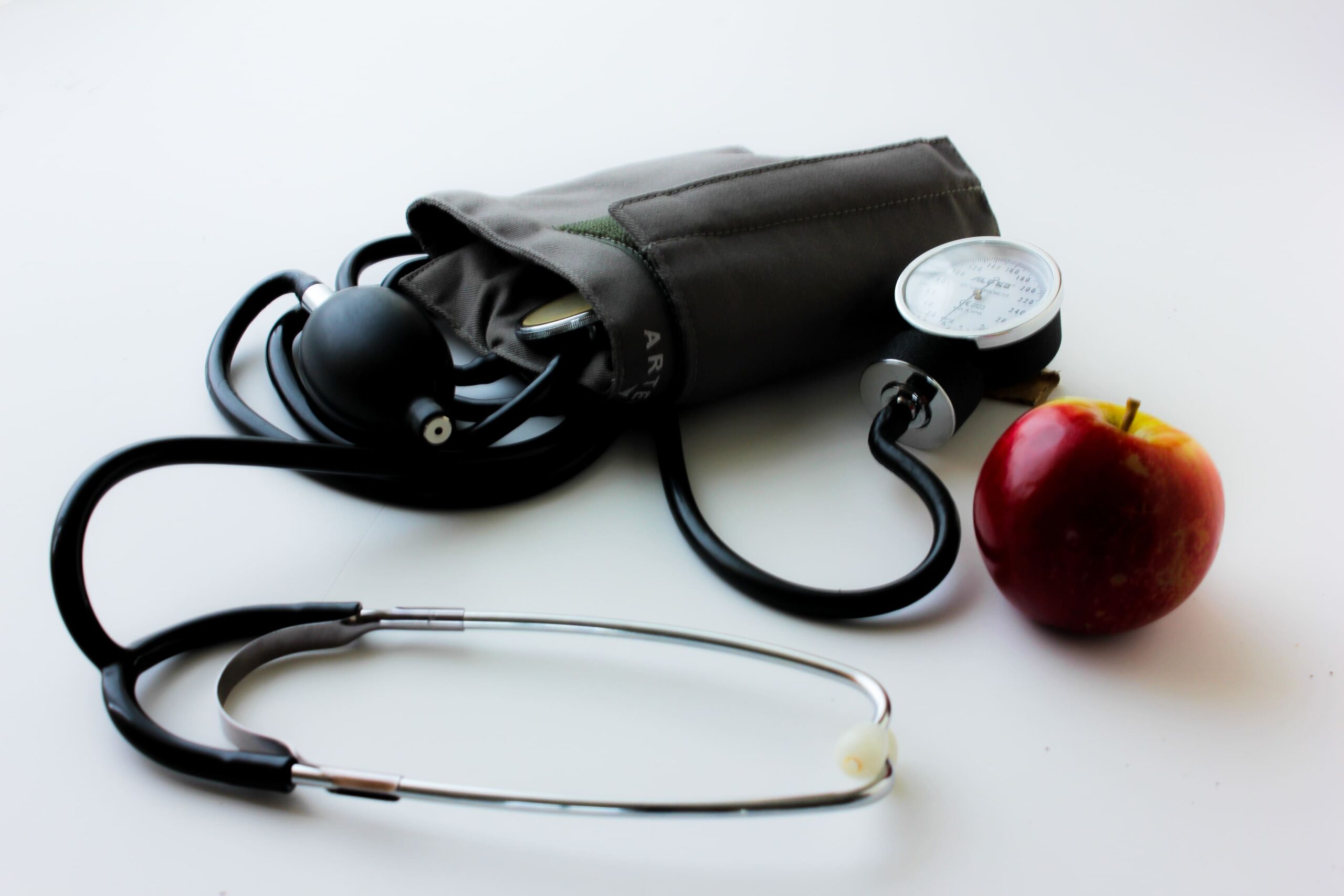
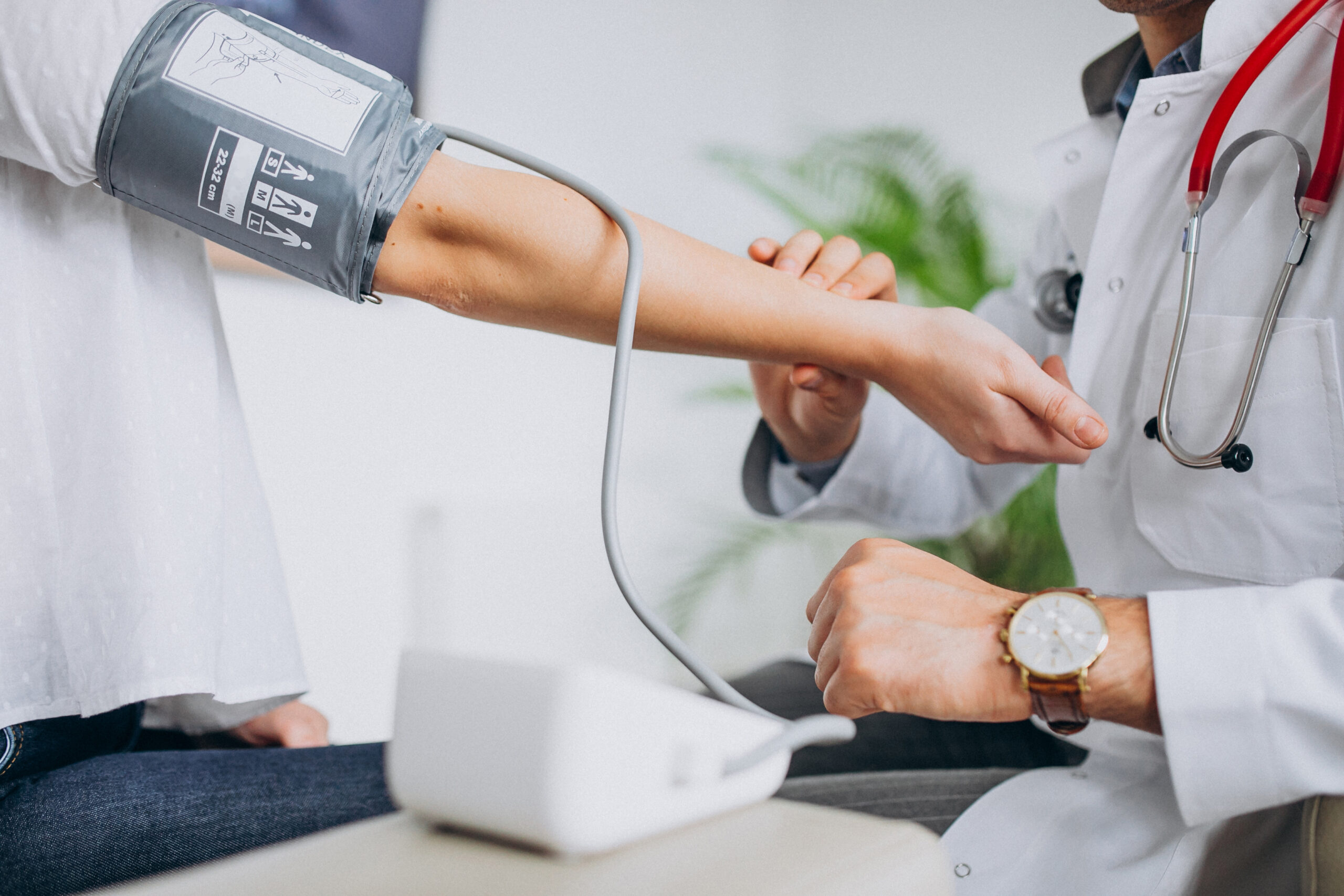
Blood pressure reflects how hard your heart works to move blood through your arteries. When it stays high, the heart and vessels come under strain, raising the risk of stroke, heart attack, and kidney disease. Because hypertension rarely shows symptoms, routine checks are important—something an Internal medicine doctor in Singapore would strongly encourage, especially if you have risk factors.
Food influences blood pressure through sodium levels, potassium balance, fluid retention, sugar intake, inflammation, and even hormone activity.
How Food Affects Blood Pressure
1. Sodium and Fluid Retention
Salt is one of the strongest triggers for raised blood pressure. High sodium makes the body hold extra water, increasing blood volume and pressure. Many local dishes exceed the recommended 2,000 mg daily sodium limit.
2. Potassium as a Counterbalance
Potassium helps flush sodium out of the body and relaxes blood vessels. Low potassium combined with high sodium is a common issue.
3. Sugar and Refined Carbs
Sugary drinks and high-glycaemic foods spike insulin, which can increase sodium retention and raise blood pressure.
4. Saturated and Trans Fats
These fats stiffen arteries and fuel inflammation, indirectly worsening pressure over time.
5. Caffeine and Alcohol
Caffeine may cause short-term spikes, while frequent alcohol intake increases long-term hypertension risk.
Foods That Raise Blood Pressure
- Salt-heavy hawker dishes
- Processed foods (instant noodles, sausages, canned soups)
- Breads and pastries high in hidden sodium and sugar
- Sweetened beverages
- Pickled and preserved foods
- Fatty cuts of meat and deep-fried items
- Alcohol
Foods That Help Lower Blood Pressure
- Fruits rich in potassium
- Vegetables such as leafy greens, tomatoes, and sweet potatoes
- Whole grains
- Nuts, seeds, and legumes
- Lean proteins like chicken, fish, tofu
- Low-fat dairy
- Healthy fats such as olive oil, avocado, and salmon
Small swaps—like taking less soup or choosing whole grains—can create meaningful improvements.
Common Risk Factors in Singapore
- Frequent consumption of salty soups and sauces
- High sugar intake
- Sedentary routines
- Stress
- Rising obesity and metabolic issues
- Family history
Regular monitoring with an Internal medicine doctor in Singapore helps detect problems early.
Why Early Detection Matters
Hypertension often goes unnoticed until complications develop. Early detection helps prevent:
- Stroke
- Heart attack
- Kidney disease
- Eye complications
- Heart failure
Routine checks—at home or in the clinic—help you catch rises early.
Evidence-Based Management
- Diet: Lower sodium, higher potassium; DASH diet is effective
- Weight management: Even modest weight loss helps
- Exercise: About 150 minutes a week
- Medication: When needed, prescribed based on individual needs
- Stress control: Mindfulness, yoga, outdoor activity
Lifestyle Changes You Can Start Today
- Reduce soups, gravies, and processed snacks
- Cut down sugary beverages
- Add more fruits and vegetables
- Choose whole grains
- Limit alcohol
- Exercise daily, even short walks
- Monitor blood pressure once or twice a week
Small, steady changes often show results within weeks.
Conclusion
Food has a strong influence on blood pressure. By understanding sodium, sugar, fats, and nutrient balance, you can take charge of your readings. With mindful eating and regular check-ups, blood pressure becomes manageable rather than unpredictable. If you have concerns, an Internal medicine doctor in Singapore can guide you on the best next steps.
Frequently Asked Questions
- Can salty food raise blood pressure immediately?
Yes, it can cause a temporary rise within hours. - Is MSG harmful?
MSG contains sodium, so limit it if you are sensitive or have hypertension. - Do sweet drinks affect blood pressure?
Yes. They raise insulin, which increases sodium retention. - How much sodium should an adult consume daily?
Less than 2,000 mg a day. - Can I drink coffee?
Moderate intake is usually fine; monitor your response. - Are instant noodles bad for blood pressure?
Yes, due to very high sodium levels. - What fruits help lower blood pressure?
Bananas, oranges, berries, kiwi, and melons. - Should I avoid all fats?
No. Choose healthy fats; limit trans and excess saturated fats. - Does alcohol increase blood pressure?
Heavy or regular drinking does. - How often should I check my blood pressure?
Once or twice a week, unless your doctor suggests more frequent checks.