

Many people in Singapore believe they are healthy simply because they feel fine. Busy work schedules, family responsibilities, and daily routines often push health checks to the bottom of the priority list. A common thought I hear in clinic is, “Doctor, I don’t have any symptoms, so I didn’t think screening was necessary.”
As a hypertension doctor in Singapore, this mindset is one of the biggest reasons serious health conditions go unnoticed for years. The reality is simple but important: many chronic illnesses do not show clear symptoms until significant damage has already occurred.
Understanding the Core Issue
Health screening is not meant only for people who feel unwell. It is designed to detect silent conditions early, before they cause complications. High blood pressure, high cholesterol, diabetes, and early kidney or heart disease often develop quietly. By the time symptoms appear, the condition may already be advanced.
Waiting for symptoms is like waiting for a warning light after the engine has already overheated. Early detection allows timely action, often with simpler treatment and better outcomes.
How Silent Conditions Affect the Body
Take high blood pressure as an example. Blood pressure that stays elevated over time puts constant strain on blood vessels and vital organs. The heart has to work harder. The arteries become less flexible. The kidneys and eyes can slowly suffer damage.
What makes this dangerous is that most people with hypertension feel completely normal. There may be no pain, no dizziness, and no obvious warning signs for years. Similar silent damage happens with high cholesterol and rising blood sugar, gradually increasing the risk of heart attack, stroke, and kidney disease.
Common Causes and Risk Factors in Singapore
Several factors make silent conditions more common today:
- Sedentary lifestyles and long working hours
- Diets high in salt, sugar, and processed foods
- Stress and inadequate sleep
- Family history of hypertension, diabetes, or heart disease
- Ageing, even in otherwise active individuals
In Singapore, regular dining out, reliance on convenience foods, and limited time for exercise increase these risks further. Even younger adults are now being diagnosed with conditions once seen mainly in older age groups.
Symptoms and Early Warning Signs
One of the biggest misconceptions is that serious conditions always cause obvious symptoms. In reality:
- High blood pressure often has no symptoms
- High cholesterol causes no pain
- Early diabetes may only cause subtle fatigue or thirst
- Kidney disease develops silently in early stages
When symptoms such as chest discomfort, breathlessness, vision problems, or dizziness appear, organ damage may already be present. Screening aims to prevent reaching this stage.
Evidence-Based Prevention and Early Management
Health screening allows doctors to identify risks early and act before complications develop. In many cases, early-stage conditions can be managed with lifestyle changes alone or minimal medication.
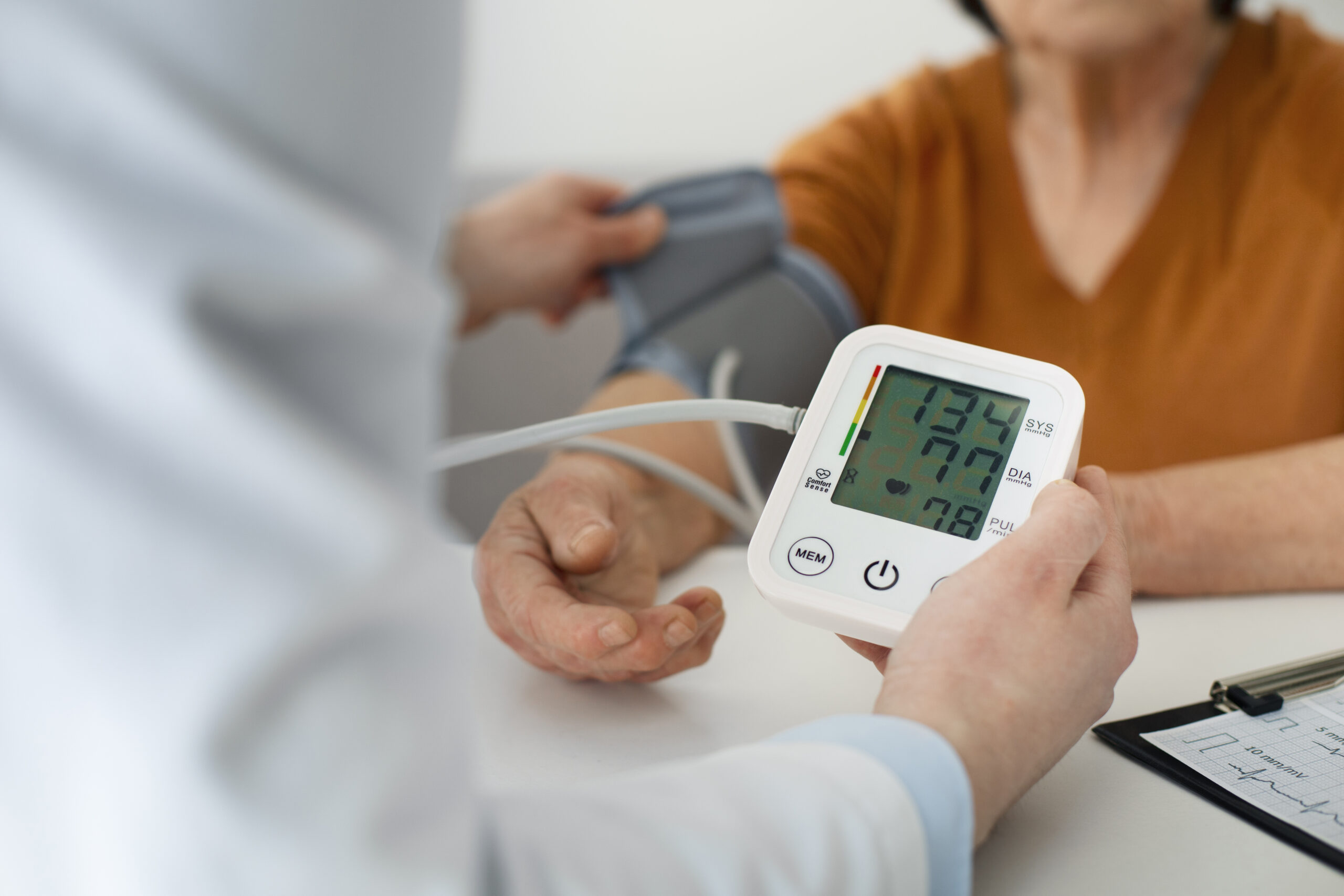
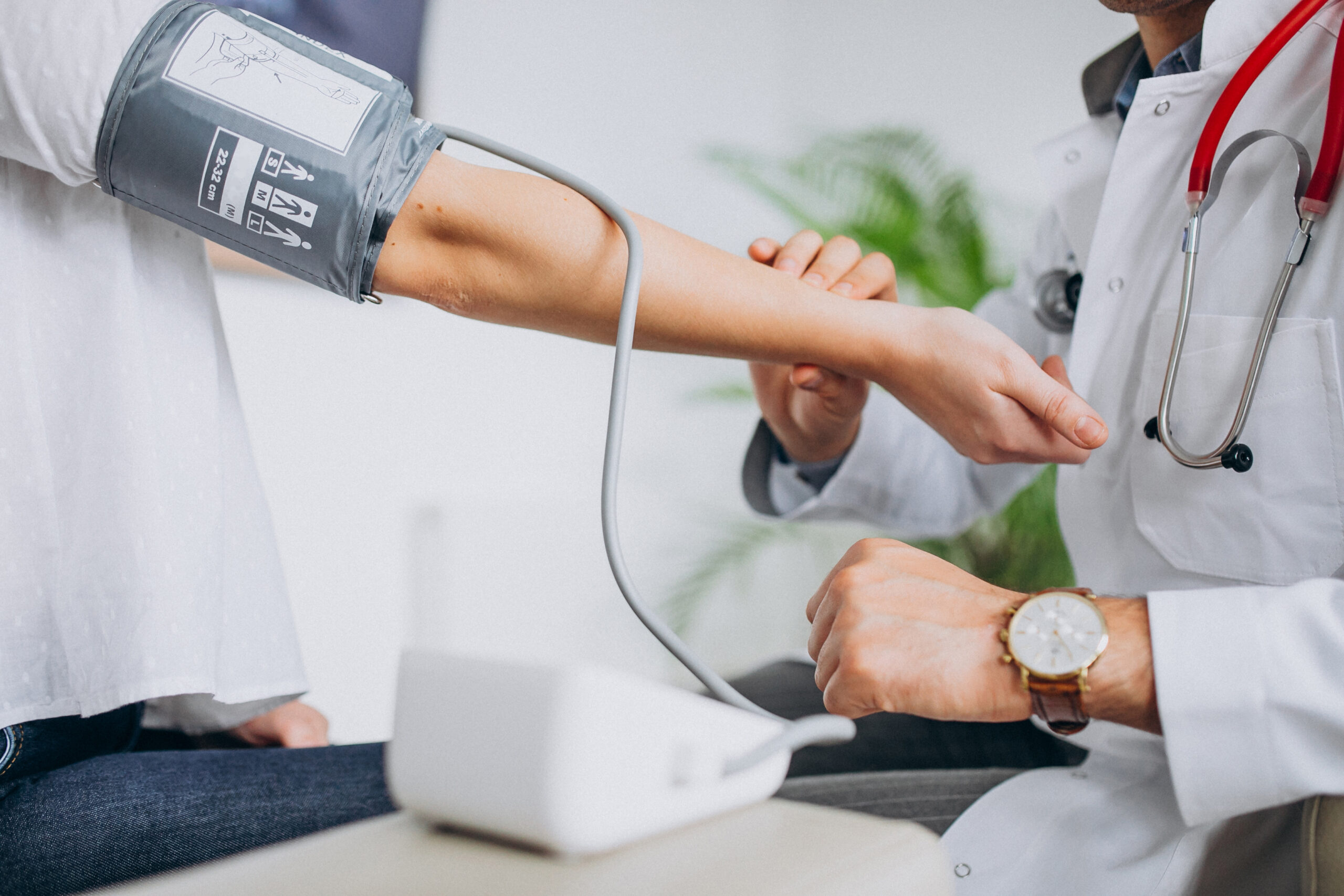
Screening typically includes blood pressure checks, blood tests, urine tests, and sometimes heart assessments. These are simple, quick, and provide valuable insight into your overall health.
Early management reduces long-term healthcare costs, lowers complication risk, and improves quality of life.
Practical Lifestyle and Dietary Guidance
Health screening works best when paired with everyday habits that protect your heart and blood vessels:
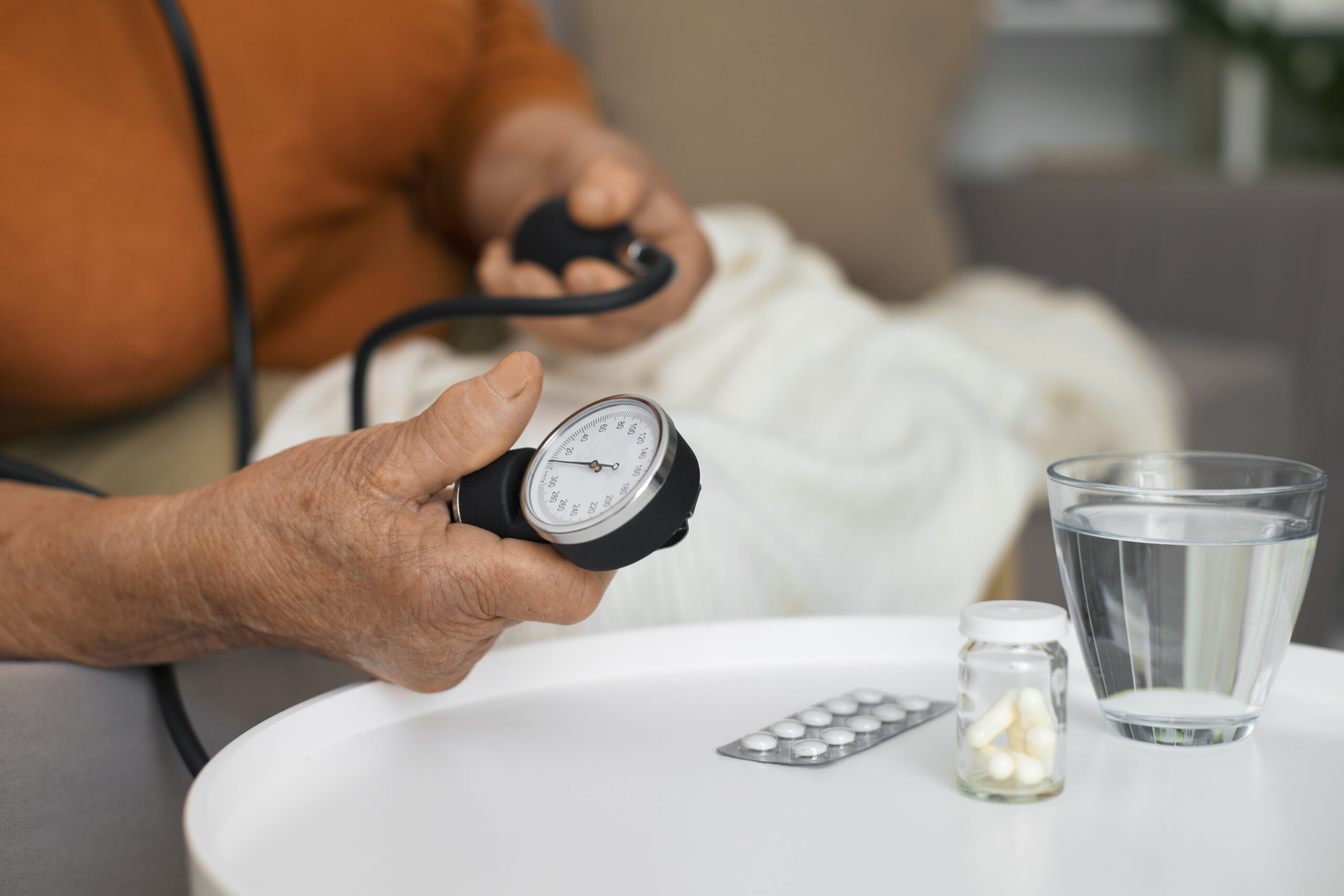
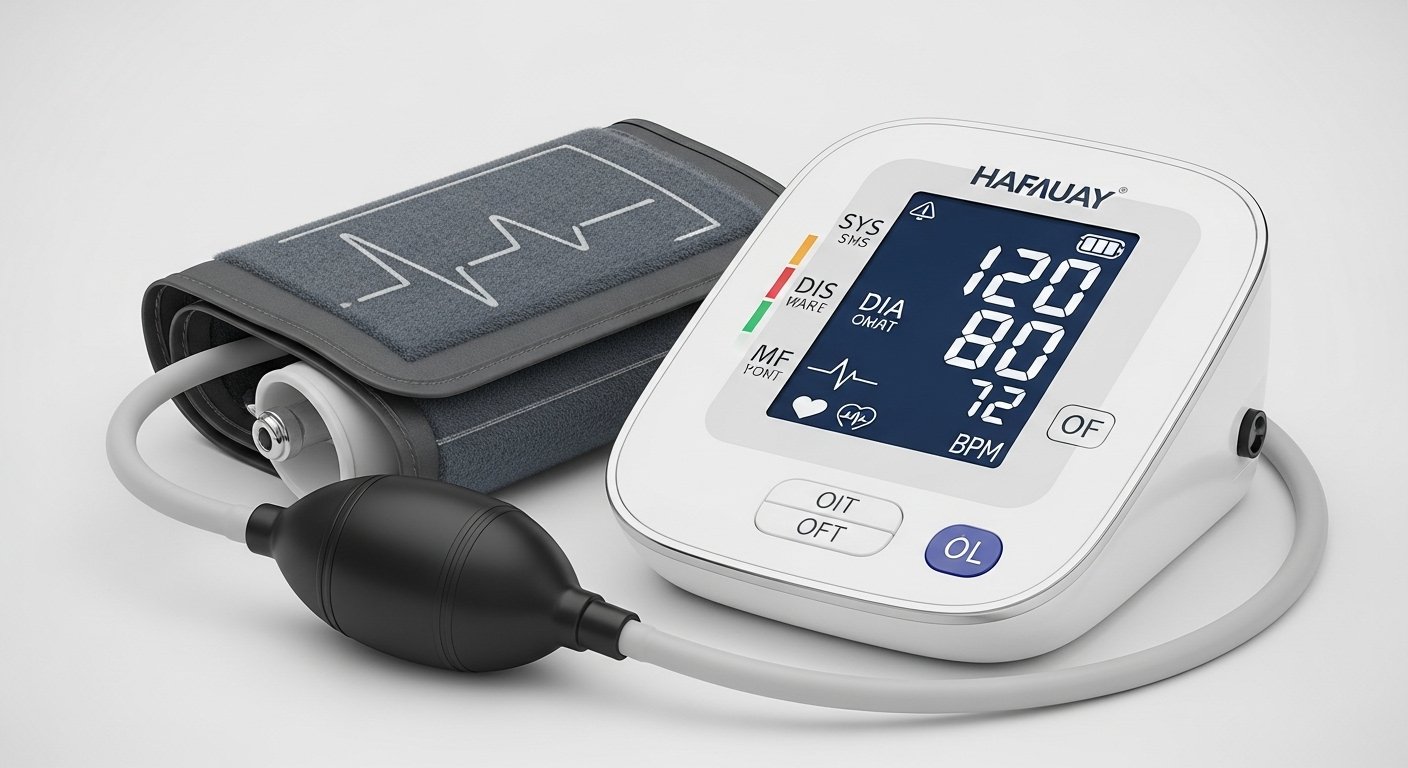
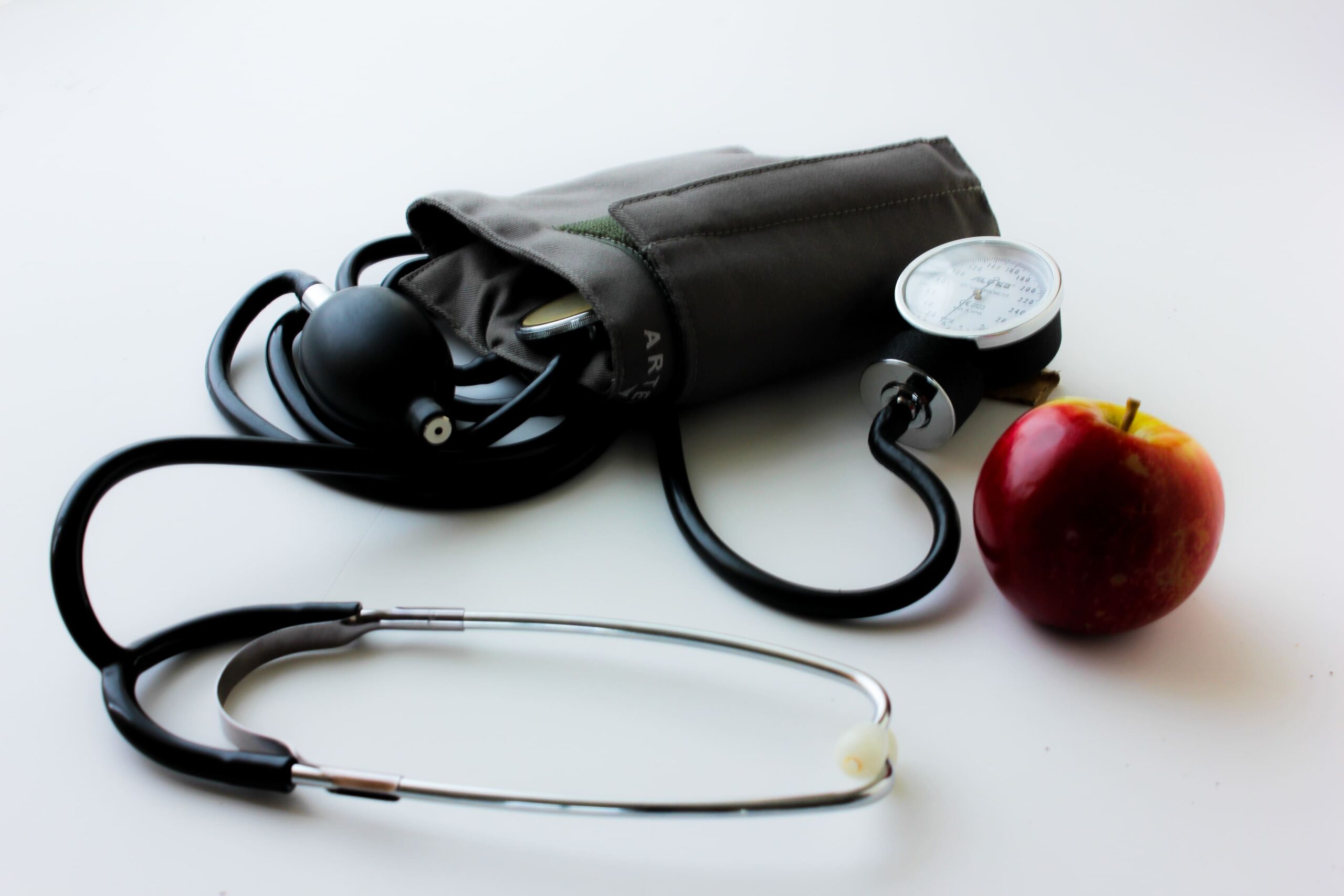
- Monitor your blood pressure regularly, even at home
- Reduce salt, sugar, and highly processed foods
- Eat more vegetables, fruits, whole grains, and lean proteins
- Stay physically active most days of the week
- Manage stress and prioritise quality sleep
Small, consistent changes make a big difference when started early.
When to Consult a Hypertension Doctor in Singapore
You should consider seeing a hypertension doctor in Singapore if:
- You have never had a proper health screening
- Your blood pressure readings are borderline or fluctuating
- You have a family history of heart disease, stroke, or diabetes
- You are over 40, even if you feel well
- Lifestyle changes haven’t improved your readings
A personalised assessment helps identify hidden risks and creates a plan suited to your lifestyle and health goals.
Frequently Asked Questions (FAQs)
1. Why should I screen if I feel healthy?
Many serious conditions develop without symptoms. Screening detects problems early.
2. How often should I get health screening?
Most adults should screen at least once every 1–2 years, depending on risk.
3. Is high blood pressure always noticeable?
No. Most people with hypertension feel completely normal.
4. Can lifestyle changes prevent hypertension?
Yes, especially when started early after screening identifies risk.
5. What age should screening start?
Adults should begin regular screening from their 30s, earlier if there are risk factors.
6. Are screenings expensive?
Basic screenings are affordable and far cheaper than treating complications later.
7. Do I need screening if I exercise regularly?
Yes. Fitness does not eliminate genetic or metabolic risks.
8. Can stress alone cause high blood pressure?
Stress contributes, but it often works alongside diet and lifestyle factors.
9. What happens if screening shows borderline results?
Early guidance can often reverse or stabilise the condition.
10. Who should interpret my screening results?
A qualified doctor ensures accurate interpretation and appropriate follow-up.
A Reassuring Conclusion
Good health is not defined by how you feel today, but by how well your body is functioning silently inside. Waiting for symptoms often means waiting too long. Health screening is not about finding problems—it’s about protecting your future.
As a hypertension doctor in Singapore, I encourage patients to view screening as a form of self-care, not fear. Early detection allows simple steps, clearer choices, and long-term peace of mind. If you haven’t reviewed your health recently, now is the right time to start. Regular monitoring today can prevent serious complications tomorrow.