

High blood pressure, or hypertension, is one of the most common long-term health conditions seen in clinical practice worldwide. In Singapore, it affects a significant portion of the adult population and is often detected during routine health screenings or regular medical visits. While many patients canare able to control their blood pressure with medication and lifestyle adjustments, some individuals find that their readings remain high even after starting treatment.
According to Dr Adrian Mondry, an Internal Medicine physician practising in Singapore, this situation can understandably be frustrating for patients. It may raise concerns about whether the medication is working or if there is an underlying issue that needs further evaluation. In many cases, there are identifiable reasons why blood pressure does not respond as expected to treatment.
Understanding these factors is an important step toward achieving better control and reducing long-term cardiovascular risks. For patients, particularly expatriates navigating healthcare in a new country, having access to a trusted German speaking doctor in Singapore can also make these discussions clearer and more reassuring.
Understanding Why Blood Pressure May Not Drop on Medication
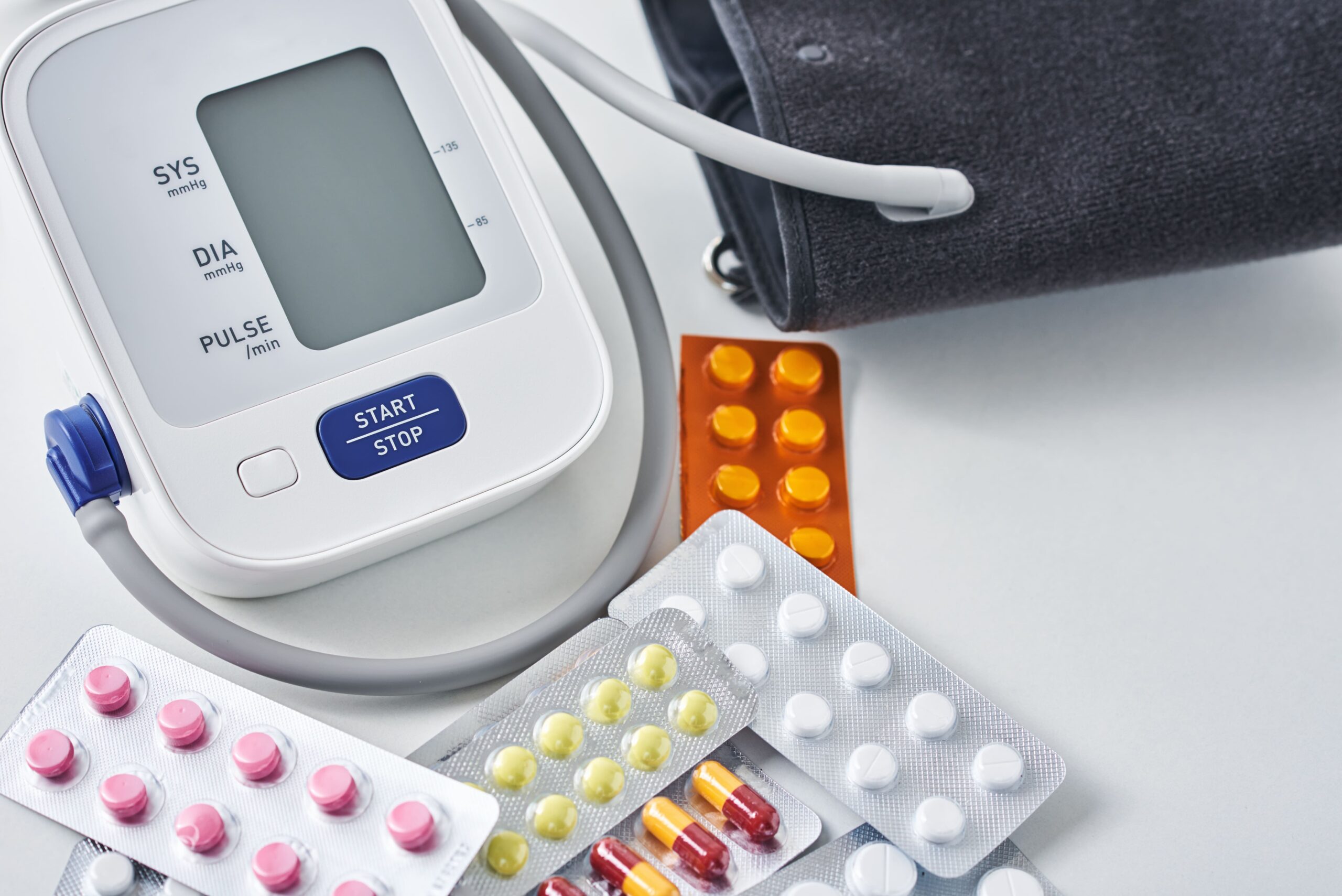
Blood pressure medications are designed to lower pressure within the arteries by acting on different systems in the body. Some medications relax blood vessels, others reduce fluid volume, and some influence the hormonal pathways that regulate circulation.
In most cases, these medications work effectively when taken consistently and paired with healthy lifestyle choices. However, blood pressure regulation is complex. If readings remain elevated despite treatment, doctors refer to this situation as resistant or uncontrolled hypertension.
It is important to note that uncontrolled blood pressure does not necessarily mean that treatment has failed. Instead, it often indicates that additional evaluation or adjustments may be needed to find the most effective management plan.
Common Causes When Blood Pressure Remains High
Several factors may contribute to blood pressure remaining elevated even while taking medication.
Incorrect Medication or Dosage
Not every medication works equally well for every patient. Blood pressure drugs affect different biological pathways, and individuals may respond differently depending on their genetics, lifestyle, and medical history.
Sometimes the dosage may also need adjustment. Doctors often start with a conservative dose and gradually increase or combine medications to achieve better control.
Inconsistent Medication Use
Blood pressure medication works best when taken consistently at the prescribed time each day. Missing doses or stopping medication prematurely can allow blood pressure levels to rise again.
This can occasionally happen unintentionally when patients travel frequently or manage busy schedules.
Lifestyle Factors
Lifestyle plays a major role in blood pressure regulation. Even with medication, factors such as the following may influence readings:
- High salt intake
- Excess alcohol consumption
- Limited physical activity
- Chronic stress
- Poor sleep patterns
Singapore’s fast-paced work culture and demanding schedules may make it challenging for some individuals to maintain consistent healthy routines.
White Coat Hypertension
Some patients experience higher readings during clinic visits due to anxiety. This is known as white coat hypertension. In these cases, home monitoring may reveal that blood pressure is actually better controlled outside the clinic.
Secondary Causes of Hypertension
Occasionally, high blood pressure is linked to underlying medical conditions such as:
- Hormonal disorders
- Kidney disease
- Sleep apnoea
- Certain medications or supplements
Identifying these factors is important because treating the underlying cause may help improve blood pressure control.
Symptoms Patients Should Be Aware Of
Hypertension is often referred to as a silent condition because many patients do not experience obvious symptoms. This is why regular monitoring is so important.
However, when blood pressure remains persistently high, some individuals may notice symptoms such as:
- Headaches
- Dizziness
- Fatigue
- Shortness of breath
- Blurred vision
These symptoms are not specific to hypertension and may occur for other reasons as well. If they appear frequently, medical evaluation is advisable.
Diagnosis and Medical Evaluation
When a patient’s blood pressure does not drop despite medication, doctors typically perform a more detailed assessment.
This may include:
Reviewing medication history
The doctor will check the type, dosage, and timing of medications.
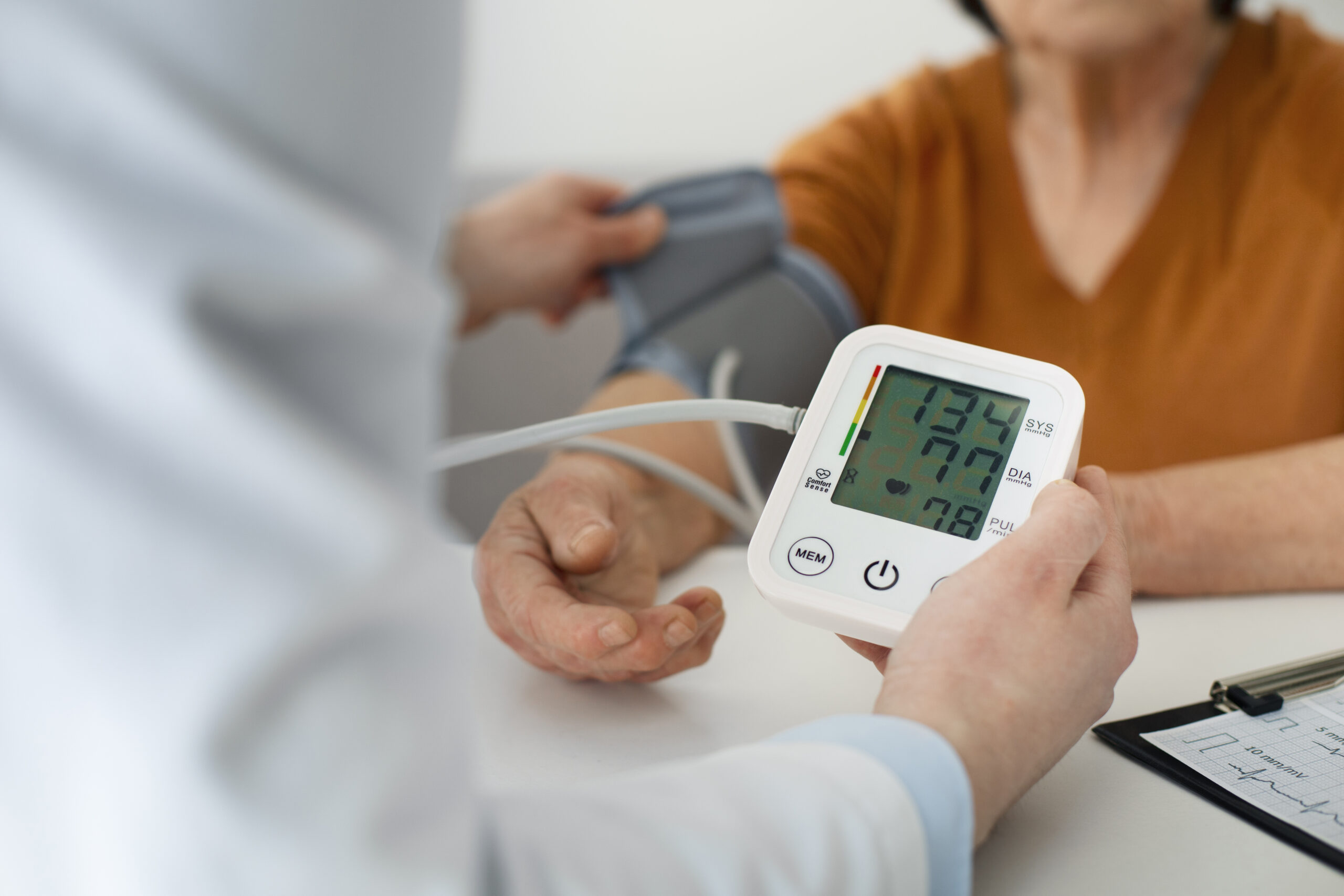
Home blood pressure monitoring
Patients may be asked to record readings at home over several days or weeks.
Lifestyle evaluation
Diet, exercise, sleep, and stress levels can significantly affect blood pressure.
Laboratory tests
Blood and urine tests may be used to assess kidney function, hormone levels, and metabolic health.
Imaging or additional screening
In some cases, further tests may be recommended to rule out secondary causes.
For expatriates living abroad, discussing these issues in their preferred language can make the process more comfortable. Many patients appreciate the opportunity to consult a German speaking doctor in Singapore who understands both their medical concerns and cultural context.
Treatment and Management Options
Managing uncontrolled blood pressure usually involves a combination of strategies rather than relying on a single solution.
Adjusting Medication
Doctors may adjust the dosage, change medications, or combine different types of drugs to improve effectiveness. Many patients ultimately require more than one medication to achieve optimal control.
Addressing Underlying Causes
If a secondary medical condition is contributing to hypertension, treating that condition may help support blood pressure management.
Lifestyle Interventions
Lifestyle changes can significantly influence blood pressure levels. Doctors commonly recommend:
- Reducing sodium intake
- Maintaining a healthy weight
- Regular physical activity
- Limiting alcohol consumption
- Managing stress
Even modest lifestyle improvements can make a meaningful difference when combined with medication.
Regular Monitoring
Frequent monitoring allows both the patient and doctor to track progress and make timely adjustments to treatment.
Prevention and Long-Term Lifestyle Guidance
Although hypertension often requires ongoing management, prevention and long-term health maintenance remain important.
Dr Adrian Mondry often encourages patients to adopt habits that support cardiovascular health, including:
Healthy dietary patterns
A diet rich in vegetables, fruits, whole grains, and lean proteins may support healthy blood pressure.
Regular physical activity
Moderate exercise, such as brisk walking or cycling, may help maintain healthy circulation.
Stress management
Mindfulness practices, adequate rest, and work-life balance can support overall wellbeing.
Routine health screening
Regular check-ups allow early detection of potential health concerns before complications arise.
For expatriates living in Singapore, adapting to a new environment and lifestyle can sometimes influence health habits. Maintaining consistent medical follow-up is therefore particularly valuable.
When to See a Doctor
Patients should consider seeking medical advice if:
- Blood pressure readings remain consistently above recommended levels
- Symptoms such as headaches or dizziness occur frequently
- Medication side effects develop
- Blood pressure suddenly increases despite treatment
Early evaluation allows doctors to identify possible causes and adjust treatment plans accordingly.
Having access to a trusted healthcare professional is important for long-term health. Many international residents find reassurance in consulting a German speaking doctor in Singapore who can guide them through diagnosis, treatment options, and preventive care.
Frequently Asked Questions
1. Why is my blood pressure still high even with medication?
Blood pressure can remain elevated for several reasons, including medication dosage, lifestyle factors, or underlying health conditions. A medical review can help identify possible contributing factors.
2. How long does it take for blood pressure medication to work?
Some medications begin working within hours, while others may take several weeks to show full effects. Doctors usually monitor blood pressure over time before making adjustments.
3. Can stress cause blood pressure to stay high?
Yes, chronic stress can influence blood pressure levels. Managing stress through lifestyle changes may support overall cardiovascular health.
4. Should I stop medication if my blood pressure does not improve?
No. Patients should never stop medication without consulting a doctor. A medical review can determine whether changes to the treatment plan are needed.
5. Can diet affect blood pressure control?
Yes. High sodium intake and unhealthy dietary habits can contribute to elevated blood pressure even when medication is used.
6. Is it normal to need more than one blood pressure medication?
Yes. Many patients require a combination of medications to achieve optimal blood pressure control.
7. Can sleep problems affect blood pressure?
Conditions such as sleep apnoea may contribute to hypertension. Addressing sleep health can sometimes improve blood pressure management.
8. How often should I check my blood pressure at home?
Doctors often recommend checking blood pressure several times per week or daily for a short monitoring period.
9. Is hypertension common among expatriates?
Hypertension can affect individuals regardless of nationality. However, lifestyle changes associated with relocation may influence health habits.
10. When should I see a specialist for hypertension?
If blood pressure remains uncontrolled despite treatment or if additional health concerns arise, consulting a specialist may be helpful.
If you are looking for a German speaking doctor in Singapore, you may consider booking a consultation with Dr Adrian Mondry to discuss your health concerns and receive personalised medical advice.