

Introduction
High blood pressure, also known as hypertension, is one of the most common health concerns affecting adults worldwide. In Singapore, where urban lifestyles are often fast-paced and demanding, many individuals may unknowingly develop elevated blood pressure over time.
Dr Adrian Mondry, an experienced Internal Medicine physician and hypertension specialist, frequently sees patients who are surprised to learn they have high blood pressure despite feeling generally well. This is because hypertension often develops silently, without obvious symptoms in its early stages.
Working as an internal medicine doctor in Singapore, Dr Adrian Mondry places strong emphasis on prevention and early intervention. For German expatriates and international patients living in Singapore, understanding how daily habits influence blood pressure can be an important step toward long-term health.
Understanding the Topic
Blood pressure refers to the force exerted by circulating blood on the walls of the arteries. When this pressure remains consistently high, it may place strain on the heart and blood vessels over time.
Hypertension is commonly referred to as a “silent condition” because it may not cause noticeable symptoms initially. However, if left unmanaged, it can increase the risk of serious health issues such as heart disease, stroke, and kidney problems.
Dr Adrian Mondry approaches blood pressure management holistically. Rather than focusing only on numbers, he considers lifestyle, stress levels, and underlying medical conditions. This comprehensive perspective is a key part of care provided by an internal medicine doctor in Singapore.
Causes or Contributing Factors
Several factors may contribute to the development of high blood pressure. In many cases, it is a combination of lifestyle, genetic, and environmental influences.
1. Diet and Salt Intake
A diet high in sodium, often from processed or restaurant foods, may contribute to increased blood pressure. This is particularly relevant in Singapore, where eating out is common.
2. Physical Inactivity
Sedentary routines, especially for those working long hours in office settings, may affect cardiovascular health.
3. Stress and Work Pressure
Chronic stress can influence blood pressure through hormonal changes. Busy professional lives may make it difficult to manage stress effectively.
4. Excess Weight
Being overweight may increase the workload on the heart, contributing to higher blood pressure.
5. Alcohol and Smoking
Regular alcohol consumption and smoking may negatively impact blood vessel health.
6. Family History
Genetic predisposition may also play a role in hypertension.
7. Underlying Medical Conditions
Conditions such as diabetes, kidney disease, or hormonal disorders may contribute to elevated blood pressure.
An internal medicine doctor in Singapore may help assess how these factors apply to each individual patient.
Symptoms or Signs Patients Should Be Aware Of
In many cases, high blood pressure does not cause noticeable symptoms. However, some individuals may experience:
- Frequent headaches
- Dizziness or light-headedness
- Blurred vision
- Chest discomfort
- Shortness of breath
- Fatigue
It is important to note that these symptoms are not specific and may occur in other conditions as well. Regular monitoring is often more reliable than relying on symptoms alone.
Diagnosis and Medical Evaluation
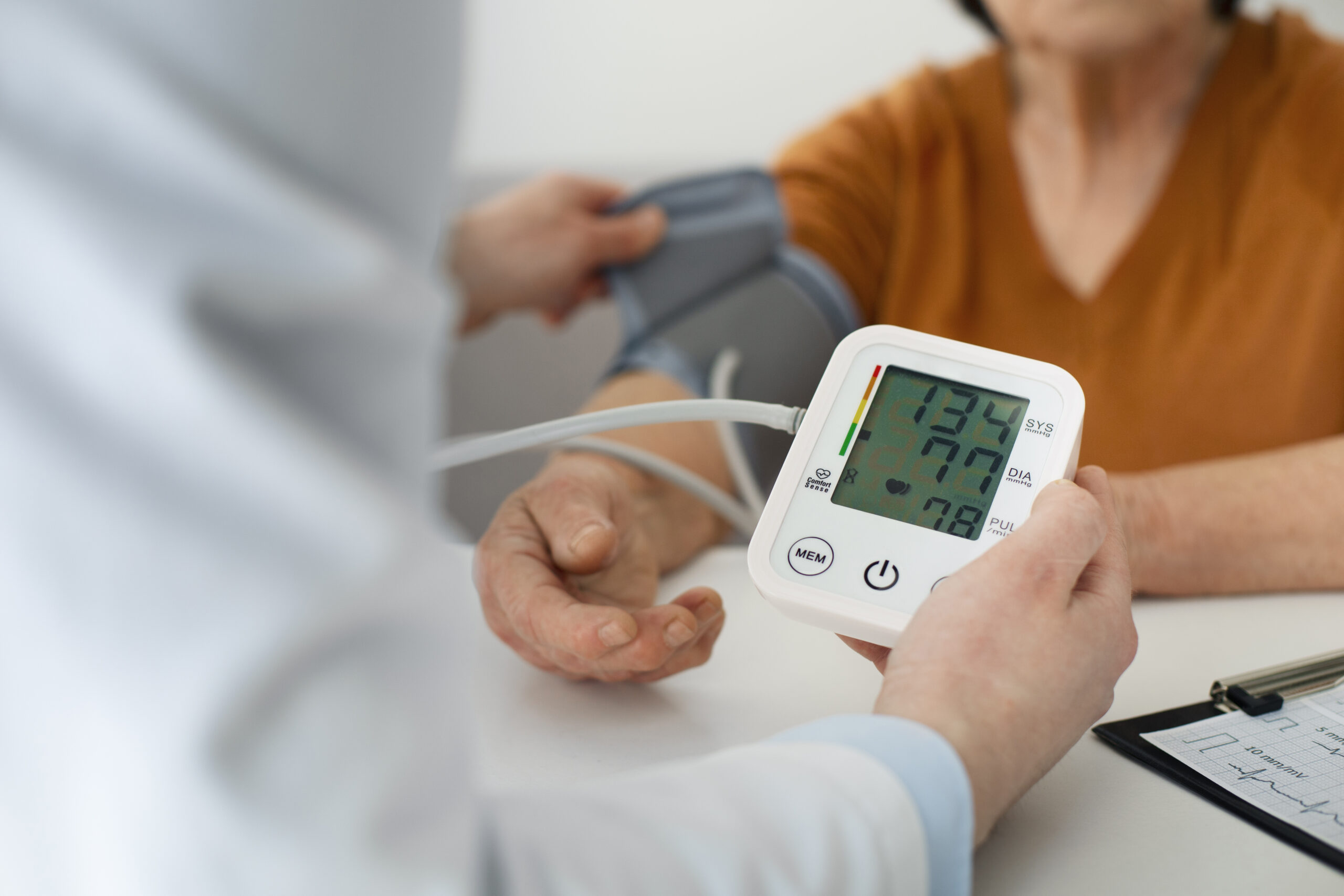
Accurate diagnosis is essential for effective management. Dr Adrian Mondry typically follows a structured evaluation process.
1. Blood Pressure Measurement
Multiple readings taken at different times are usually required to confirm hypertension.
2. Medical History Review
Lifestyle habits, family history, and existing medical conditions are carefully assessed.
3. Physical Examination
A general examination helps identify signs of cardiovascular or metabolic concerns.
4. Laboratory Tests
Blood tests may be used to check cholesterol levels, blood sugar, kidney function, and other relevant markers.
5. Additional Tests
In some cases, ECG or imaging studies may be recommended to assess heart health.
This comprehensive approach allows an internal medicine doctor in Singapore to identify both the presence of hypertension and any contributing factors.
Treatment and Management Options
Management of high blood pressure often involves a combination of medical treatment and lifestyle adjustments.
1. Medications
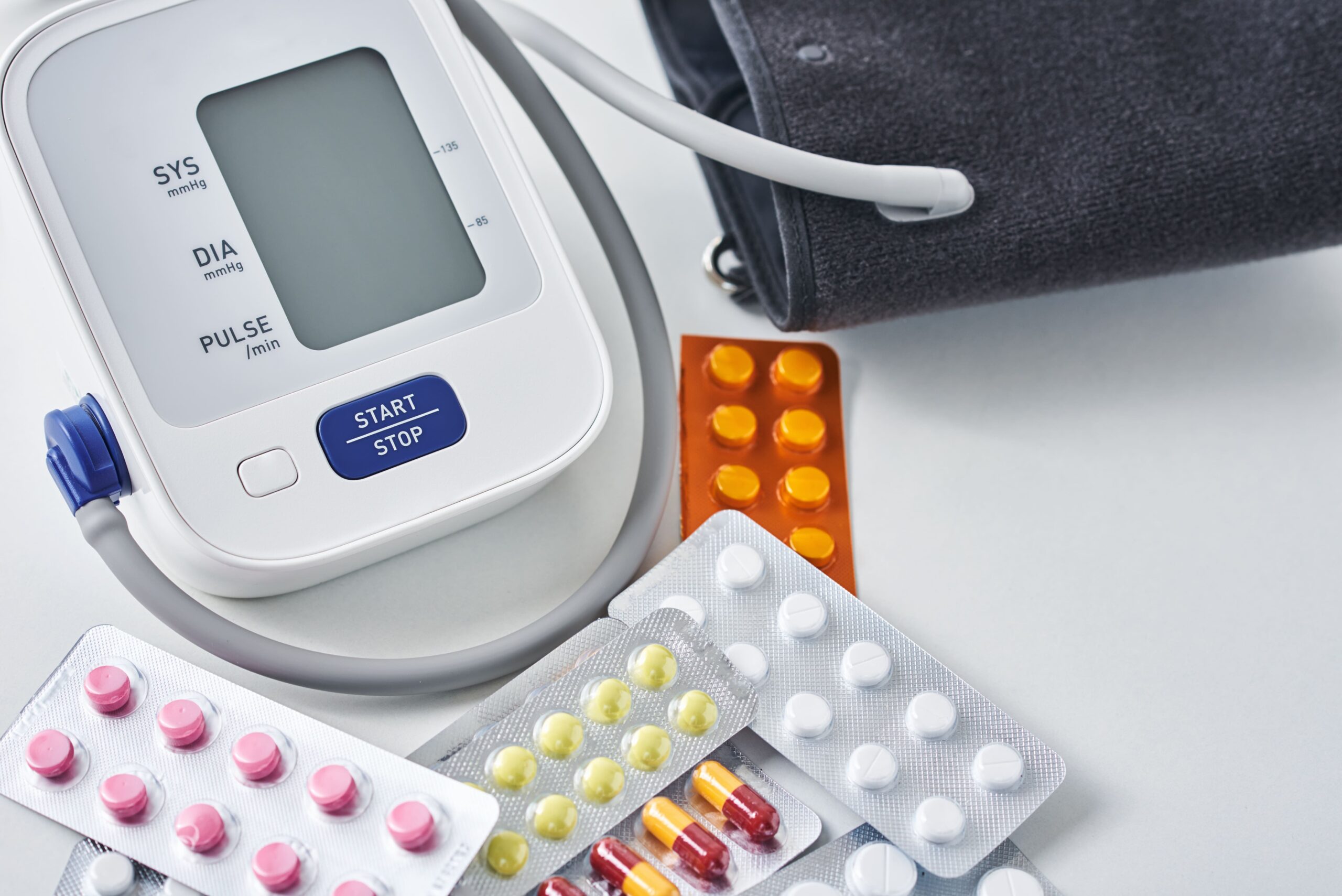
Antihypertensive medications may be prescribed depending on the severity of the condition. These are commonly used to help regulate blood pressure levels safely.
2. Dietary Modifications
Reducing salt intake, increasing consumption of fruits and vegetables, and maintaining a balanced diet may support blood pressure control.
3. Physical Activity
Regular exercise, such as walking, cycling, or swimming, can support cardiovascular health.
4. Weight Management
Achieving and maintaining a healthy weight may reduce strain on the heart.
5. Stress Management
Relaxation techniques, mindfulness, and structured routines may help manage stress levels.
6. Limiting Alcohol and Avoiding Smoking
Reducing alcohol intake and avoiding tobacco use may benefit overall cardiovascular health.
Dr Adrian Mondry emphasises that treatment plans should be individualised. Patients may benefit from regular follow-up to monitor progress and adjust management strategies as needed.
Prevention and Lifestyle Guidance
Preventing high blood pressure is often more effective than treating it after it develops. For individuals living in Singapore, practical lifestyle adjustments may include:
- Choosing home-cooked meals more often to control salt intake
- Reading food labels to identify hidden sodium
- Staying physically active despite busy schedules
- Taking short breaks during work to reduce stress
- Staying well-hydrated in Singapore’s warm climate
- Getting adequate sleep to support overall health
- Scheduling regular health screenings
Small, consistent changes in daily habits may help maintain healthy blood pressure levels over time.
When to See a Doctor
It is advisable to consult a doctor if:
- Blood pressure readings are consistently elevated
- There is a family history of hypertension or heart disease
- Symptoms such as chest discomfort or shortness of breath occur
- Lifestyle changes do not improve blood pressure levels
- There are existing conditions such as diabetes or kidney disease
Early evaluation may help prevent complications and support better long-term outcomes.
For international patients and German expatriates, consulting a German-speaking physician like Dr Adrian Mondry may also provide added clarity and comfort during medical discussions.
Frequently Asked Questions
1. What is considered high blood pressure?
Blood pressure readings consistently above recommended levels may indicate hypertension. It is advisable to consult a doctor for proper assessment and interpretation.
2. Can I have high blood pressure without symptoms?
Yes, hypertension often develops without noticeable symptoms. Regular monitoring is important for early detection.
3. How often should I check my blood pressure?
This depends on individual risk factors. Many patients may benefit from checking it regularly, especially if previously elevated.
4. Can diet alone control blood pressure?
Dietary changes may help manage blood pressure, especially in early stages. However, some patients may also require medication.
5. Is exercise safe if I have hypertension?
In most cases, moderate exercise is beneficial. It is advisable to consult a doctor before starting a new fitness routine.
6. Does stress directly cause high blood pressure?
Stress may contribute to temporary increases and long-term effects. Managing stress can support overall blood pressure control.
7. Can young adults develop hypertension?
Yes, high blood pressure can occur at any age, particularly with lifestyle risk factors.
8. Are home blood pressure monitors reliable?
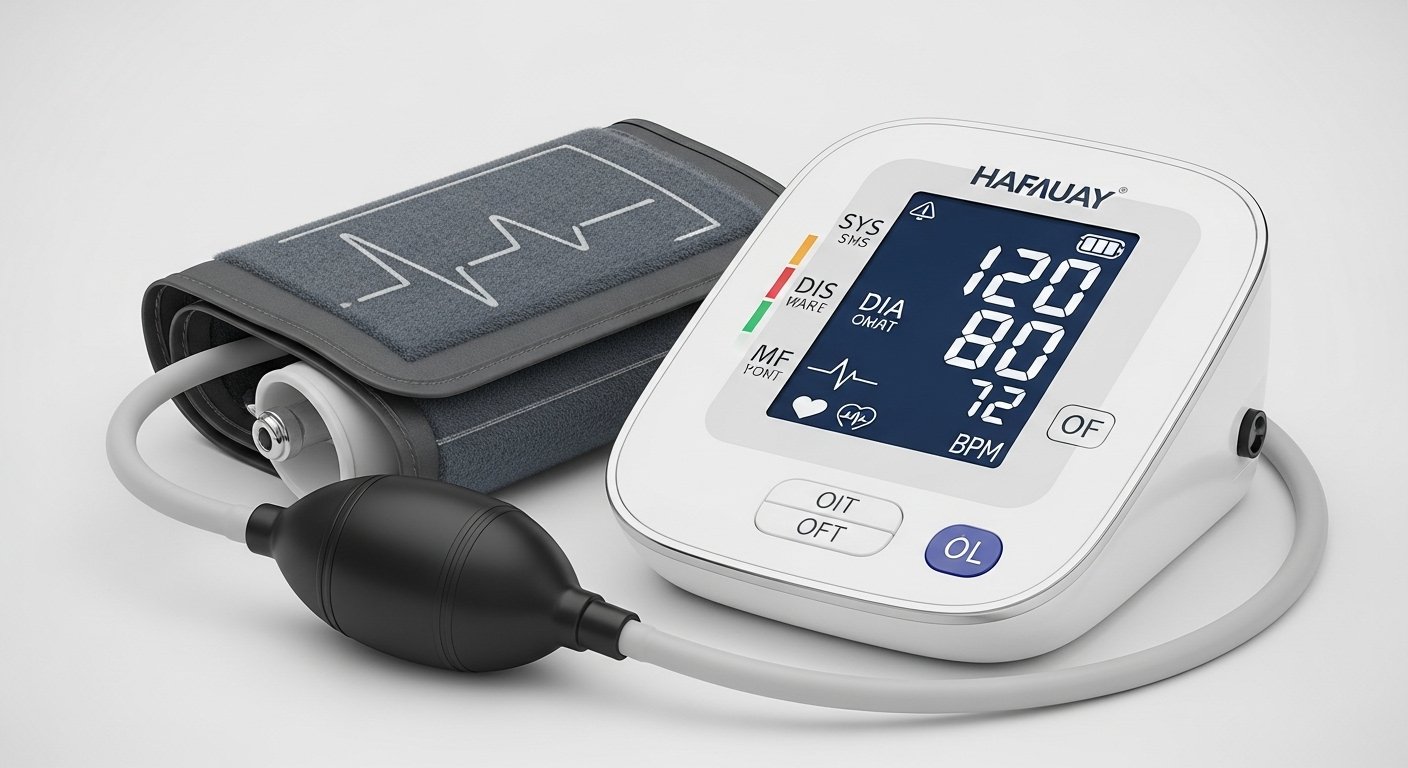
Many devices are reliable when used correctly. A doctor can guide patients on proper usage.
9. How long does it take to control blood pressure?
This varies from person to person. With appropriate management, patients may see gradual improvement over time.
10. Can hypertension be completely cured?
In many cases, it is a long-term condition that can be managed effectively. Ongoing care and lifestyle changes are important.
Call to Action
If you are looking for a internal medicine doctor in Singapore, you may consider booking a consultation with Dr Adrian Mondry to discuss your health concerns and receive personalised medical advice.