

Introduction
High blood pressure is a common and often silent condition that affects many adults living in Singapore. With busy schedules, frequent dining out, and increasing stress levels, maintaining heart health can sometimes be challenging.
Dr Adrian Mondry, an Internal Medicine physician and hypertension specialist, often guides patients toward simple yet effective lifestyle changes that may support better blood pressure control. One such approach involves increasing dietary fibre intake.
As a German speaking doctor in Singapore, Dr Adrian Mondry regularly consults German expatriates and international patients who are looking for clear, practical guidance on preventive healthcare. Understanding how fibre works in the body can help patients make informed dietary choices that support long-term cardiovascular health.
Understanding the Topic
Dietary fibre is a type of carbohydrate found in plant-based foods such as fruits, vegetables, whole grains, legumes, nuts, and seeds. Unlike other carbohydrates, fibre is not fully digested by the body.
There are two main types of fibre:
1. Soluble Fibre
This type dissolves in water and forms a gel-like substance in the digestive system. It is commonly found in oats, beans, apples, and carrots.
2. Insoluble Fibre
This type adds bulk to stool and supports regular bowel movements. It is found in whole grains, nuts, and many vegetables.
Dr Adrian Mondry explains that fibre may help regulate blood pressure through several mechanisms. It can support healthy cholesterol levels, improve blood sugar control, and promote better weight management. These factors are closely linked to cardiovascular health.
For patients consulting a German speaking doctor in Singapore, this holistic understanding of nutrition often helps connect everyday dietary habits with long-term health outcomes.
Causes or Contributing Factors
Low fibre intake is often part of a broader pattern of lifestyle factors that may contribute to high blood pressure.
1. Processed Food Consumption
Diets high in processed foods are typically low in fibre and high in sodium. This combination may negatively affect blood pressure.
2. Sedentary Lifestyle
Limited physical activity may reduce cardiovascular efficiency and contribute to weight gain.
3. Excess Salt Intake
High sodium consumption is a well-known contributor to elevated blood pressure, especially in diets lacking fresh, fibre-rich foods.
4. Poor Blood Sugar Control
Fluctuating blood sugar levels may affect vascular health over time.
5. Weight Gain
Low fibre diets may lead to overeating, as fibre helps promote satiety.
6. Stress and Sleep Patterns
Chronic stress and insufficient sleep may also influence blood pressure regulation.
Dr Adrian Mondry, as a German speaking doctor in Singapore, often evaluates these interconnected factors when advising patients on dietary improvements.
Symptoms or Signs Patients Should Be Aware Of
High blood pressure often develops without noticeable symptoms. However, some individuals may experience:
- Headaches
- Dizziness
- Fatigue
- Blurred vision
- Shortness of breath
In addition, a low-fibre diet may contribute to digestive symptoms such as constipation or irregular bowel habits.
Because symptoms are often subtle or absent, regular health check-ups are important for early detection.
Diagnosis and Medical Evaluation
Dr Adrian Mondry emphasises that assessing blood pressure involves a comprehensive evaluation rather than focusing on a single factor.
1. Blood Pressure Monitoring
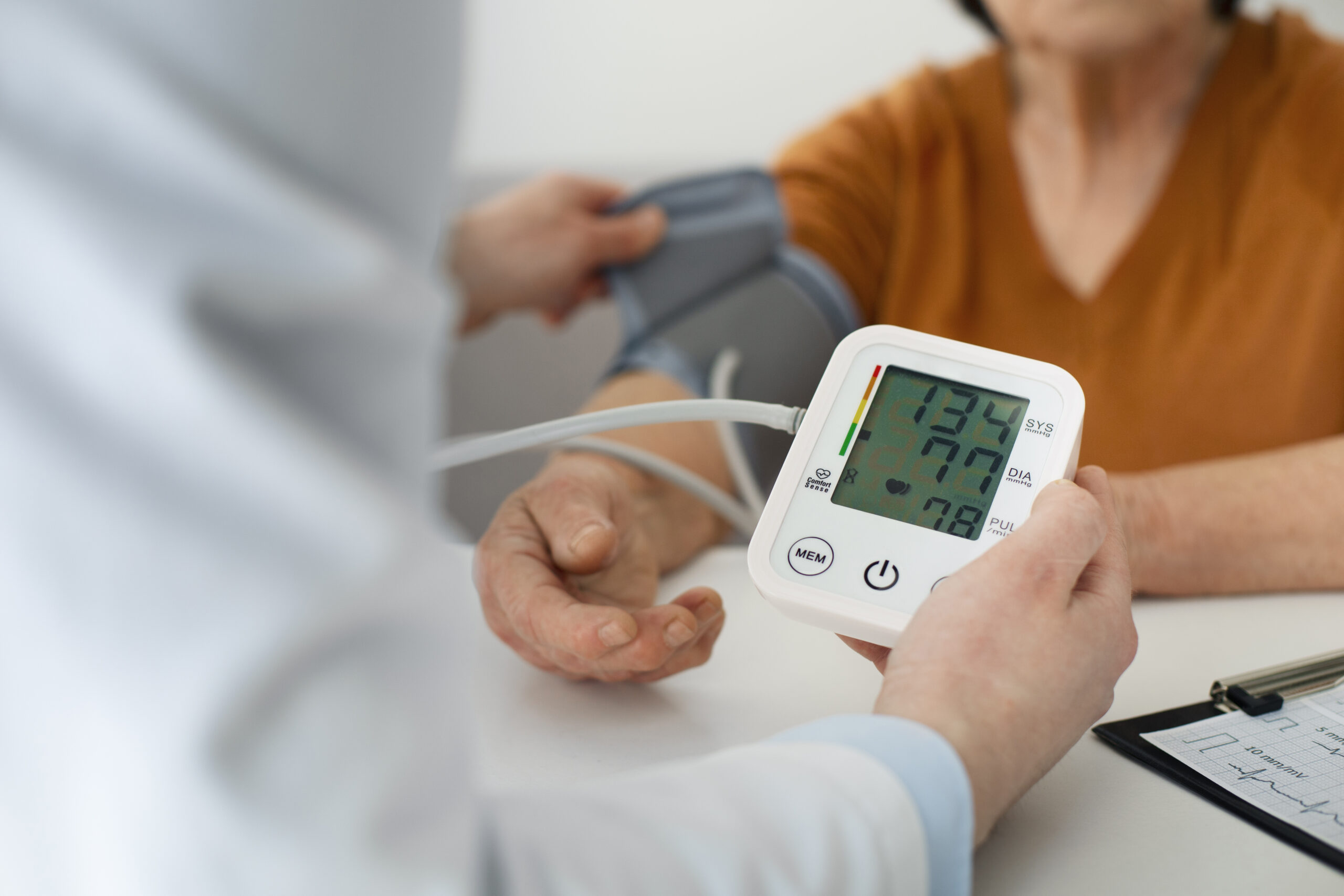
Multiple readings over time are used to confirm hypertension.
2. Dietary Assessment
Patients are often asked about their daily food intake, including fibre consumption.
3. Medical History Review
Existing conditions, family history, and lifestyle habits are carefully evaluated.
4. Laboratory Tests
Blood tests may assess cholesterol, blood sugar, and kidney function.
5. Cardiovascular Risk Assessment
A broader evaluation helps determine overall risk and guide management.
This structured approach allows a German speaking doctor in Singapore to provide personalised and practical recommendations.
Treatment and Management Options
Managing high blood pressure typically involves a combination of medical treatment and lifestyle changes.
1. Increasing Fibre Intake
Incorporating more fibre-rich foods into daily meals may support blood pressure control. Foods such as oats, lentils, vegetables, and fruits are commonly recommended.
2. Balanced Diet
A diet rich in whole foods and low in processed items may help reduce sodium intake and improve overall health.
3. Medications
For some patients, antihypertensive medications may be necessary and are commonly used alongside lifestyle changes.
4. Weight Management
Fibre-rich diets may help with weight control by promoting fullness and reducing overeating.
5. Blood Sugar Regulation
Fibre can slow the absorption of sugar, which may support stable blood glucose levels.
Dr Adrian Mondry highlights that dietary fibre is not a standalone treatment but an important part of a comprehensive management plan.
Prevention and Lifestyle Guidance
Preventive healthcare is a key focus in Internal Medicine. Patients living in Singapore may benefit from the following practical steps:
- Include whole grains such as brown rice, oats, and whole wheat products
- Add vegetables to every meal, including local dishes
- Choose fresh fruits instead of processed snacks
- Incorporate legumes such as lentils and beans into weekly meals
- Stay hydrated, especially in Singapore’s warm climate
- Gradually increase fibre intake to avoid digestive discomfort
- Combine dietary changes with regular physical activity
- Read food labels to identify low-fibre processed foods
For patients consulting a German speaking doctor in Singapore, these recommendations are often tailored to fit both local and familiar dietary preferences.
When to See a Doctor
It is advisable to consult a doctor if:
- Blood pressure readings are consistently elevated
- There are symptoms such as dizziness or chest discomfort
- There is a family history of hypertension or heart disease
- Dietary and lifestyle changes do not improve health outcomes
- There is uncertainty about how to safely increase fibre intake
Dr Adrian Mondry provides personalised care, particularly for international patients who may prefer consultations in German for clearer understanding.
Frequently Asked Questions
1. How does fibre help lower blood pressure?
Fibre may support heart health by improving cholesterol levels and aiding weight management. These effects can contribute to better blood pressure control over time.
2. How much fibre should I consume daily?
Daily fibre needs vary, but many adults may benefit from gradually increasing intake through whole foods. It is advisable to consult a doctor for personalised recommendations.
3. Can fibre replace blood pressure medication?
Fibre is part of a healthy lifestyle but does not replace prescribed medication. Patients should always follow their doctor’s advice.
4. What are the best fibre-rich foods?
Common sources include fruits, vegetables, whole grains, legumes, nuts, and seeds. A varied diet may provide the best benefits.
5. Can increasing fibre too quickly cause problems?
Yes, a sudden increase may lead to bloating or discomfort. Gradual changes are usually recommended.
6. Is fibre beneficial for weight loss?
Fibre may help promote fullness and reduce overall calorie intake. This can support weight management efforts.
7. Are fibre supplements effective?
Supplements may be used in some cases, but whole foods are generally preferred. A doctor can advise on appropriate options.
8. Does fibre affect blood sugar levels?
Yes, fibre can slow sugar absorption and support more stable blood glucose levels.
9. Can children and older adults benefit from fibre?
Yes, fibre is important for all age groups, though requirements may vary. Dietary adjustments should be age-appropriate.
10. Should I consult a doctor before changing my diet?
Yes, especially if you have existing health conditions. A doctor can provide safe and personalised guidance.
Call to Action
If you are looking for a internal medicine doctor in Singapore, you may consider booking a consultation with Dr Adrian Mondry to discuss your health concerns and receive personalised medical advice.