

Introduction
Eggs are a common part of many diets around the world, including in Singapore, where they are widely consumed in breakfast dishes, local cuisine, and quick meals. However, when it comes to heart health and blood pressure, many patients remain uncertain about whether eggs are beneficial or potentially harmful.
Dr Adrian Mondry, an Internal Medicine physician and hypertension specialist, often addresses this question during consultations. As an experienced internal medicine doctor in Singapore, he helps patients understand how specific foods, including eggs, fit into an overall heart-healthy lifestyle.
For German expatriates and international patients living in Singapore, dietary habits may change significantly due to local food options. Understanding how everyday foods affect blood pressure can support better long-term health decisions.
Understanding the Topic
Eggs are a nutrient-rich food that contains high-quality protein, vitamins such as B12 and D, and essential minerals. However, they also contain dietary cholesterol, which has historically raised concerns about heart health.
Blood pressure, on the other hand, is influenced by multiple factors, including diet, physical activity, stress, and underlying medical conditions. While cholesterol and blood pressure are related to cardiovascular health, they are not the same.
Dr Adrian Mondry explains that recent research suggests that moderate egg consumption may not significantly increase cardiovascular risk in most individuals. Instead, the overall dietary pattern tends to play a more important role. This broader perspective is often emphasised by an internal medicine doctor in Singapore when guiding patients on nutrition.
Causes or Contributing Factors
When evaluating whether eggs affect blood pressure, it is important to consider the broader context of lifestyle and dietary habits.
1. Overall Diet Quality
Eggs consumed as part of a balanced diet may have a different impact compared to eggs eaten alongside processed meats, high-sodium foods, or fried items.
2. Salt Intake
In Singapore, eggs are often paired with high-sodium foods such as sauces, preserved items, or processed meats. Excess salt intake is a well-known contributor to high blood pressure.
3. Cooking Methods
Fried eggs cooked with excessive oil or butter may contribute to higher calorie intake and potentially affect cardiovascular health.
4. Individual Health Conditions
Patients with conditions such as diabetes, high cholesterol, or existing cardiovascular disease may need personalised dietary advice.
5. Lifestyle Factors
Physical inactivity, stress, and poor sleep patterns may influence blood pressure more significantly than a single food item.
An internal medicine doctor in Singapore may help assess how these factors interact in each individual case.
Symptoms or Signs Patients Should Be Aware Of
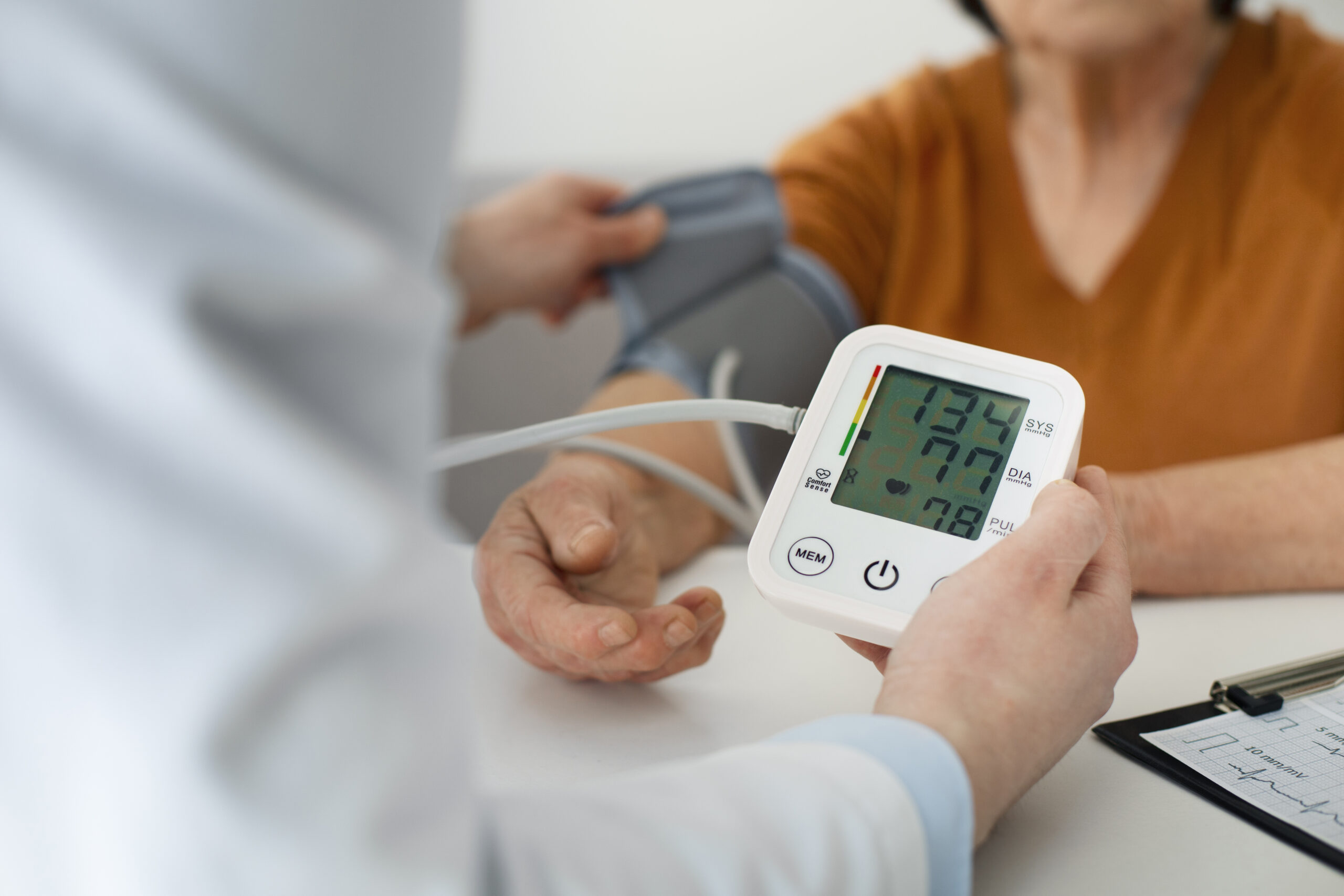
Egg consumption itself does not directly cause symptoms related to blood pressure. However, patients should be aware of general signs associated with hypertension, such as:
- Persistent headaches
- Dizziness
- Blurred vision
- Fatigue
- Chest discomfort
- Shortness of breath
It is important to note that high blood pressure often develops without noticeable symptoms. Regular monitoring remains essential.
Diagnosis and Medical Evaluation
Dr Adrian Mondry emphasises that evaluating blood pressure involves more than reviewing dietary habits alone.
1. Blood Pressure Measurement
Multiple readings over time are typically required to confirm hypertension.
2. Medical History Assessment
Dietary patterns, including egg consumption, are reviewed alongside lifestyle habits and family history.
3. Laboratory Tests
Blood tests may be used to assess cholesterol levels, blood sugar, and kidney function.
4. Cardiovascular Risk Evaluation
A broader assessment helps determine overall heart health and risk factors.
5. Individualised Assessment
Each patient’s response to dietary cholesterol may vary, which is why personalised evaluation is important.
This comprehensive approach allows an internal medicine doctor in Singapore to provide balanced and evidence-based dietary guidance.
Treatment and Management Options
For patients with high blood pressure, management typically involves a combination of medical and lifestyle strategies.
1. Balanced Diet
Eggs may be included in moderation as part of a healthy diet that emphasises fruits, vegetables, whole grains, and lean proteins.
2. Portion Control
Moderation is key. For many individuals, consuming eggs several times a week may be appropriate, depending on overall health status.
3. Healthy Cooking Methods
Boiled or poached eggs are generally preferable to fried preparations.
4. Medication (if needed)
For patients with hypertension, medications may be prescribed to help regulate blood pressure.
5. Lifestyle Adjustments
Regular exercise, stress management, and maintaining a healthy weight can support blood pressure control.
Dr Adrian Mondry advises that dietary choices should always be considered within the broader context of an individual’s health profile.
Prevention and Lifestyle Guidance
Preventing high blood pressure involves consistent and sustainable lifestyle choices. Patients living in Singapore may benefit from the following practical tips:
- Incorporate eggs as part of a balanced meal rather than as the main focus
- Limit high-sodium accompaniments such as processed meats and salty sauces
- Choose healthier cooking methods like boiling or poaching
- Maintain a diet rich in fruits, vegetables, and whole foods
- Stay physically active despite busy schedules
- Monitor portion sizes and overall calorie intake
- Stay hydrated in Singapore’s warm climate
- Schedule regular health screenings
Rather than avoiding specific foods entirely, patients may benefit from adopting a balanced and mindful approach to eating.
When to See a Doctor
It is advisable to consult a doctor if:
- There are concerns about blood pressure levels
- There is a history of hypertension or heart disease
- Dietary choices need to be adjusted due to existing conditions
- Symptoms such as chest discomfort or dizziness occur
- There is uncertainty about how foods like eggs fit into a healthy diet
For international patients and German-speaking individuals, consulting Dr Adrian Mondry may provide additional clarity through clear communication and personalised advice.
Frequently Asked Questions
1. Are eggs bad for blood pressure?
Eggs are not directly linked to increased blood pressure in most individuals. When consumed in moderation as part of a balanced diet, they may be included safely.
2. How many eggs can I eat per week?
This varies depending on individual health conditions. Many people may consume several eggs per week, but it is advisable to consult a doctor for personalised guidance.
3. Do eggs increase cholesterol levels?
Eggs contain dietary cholesterol, but their effect on blood cholesterol varies between individuals. Overall diet and lifestyle play a more significant role.
4. What is the healthiest way to eat eggs?
Boiled or poached eggs are generally healthier options. These methods avoid excess fats from frying.
5. Can eggs be part of a heart-healthy diet?
Yes, eggs may be included in moderation within a balanced diet rich in vegetables, whole grains, and lean proteins.
6. Should people with hypertension avoid eggs completely?
Not necessarily. Many patients with hypertension may still include eggs in their diet, depending on their overall health profile.
7. Are egg whites better than whole eggs?
Egg whites contain protein without cholesterol, which may be beneficial for some individuals. However, whole eggs also provide important nutrients.
8. Do eggs affect blood pressure immediately?
Eggs do not typically cause immediate changes in blood pressure. Long-term dietary patterns are more relevant.
9. Can eating eggs daily be harmful?
For some individuals, daily consumption may be acceptable, while others may need to limit intake. Personalised advice is recommended.
10. Should I consult a doctor about my diet?
Yes, especially if you have existing health conditions. A doctor can provide tailored recommendations based on your needs.
Call to Action
If you are looking for a internal medicine doctor in Singapore, you may consider booking a consultation with Dr Adrian Mondry to discuss your health concerns and receive personalised medical advice.