
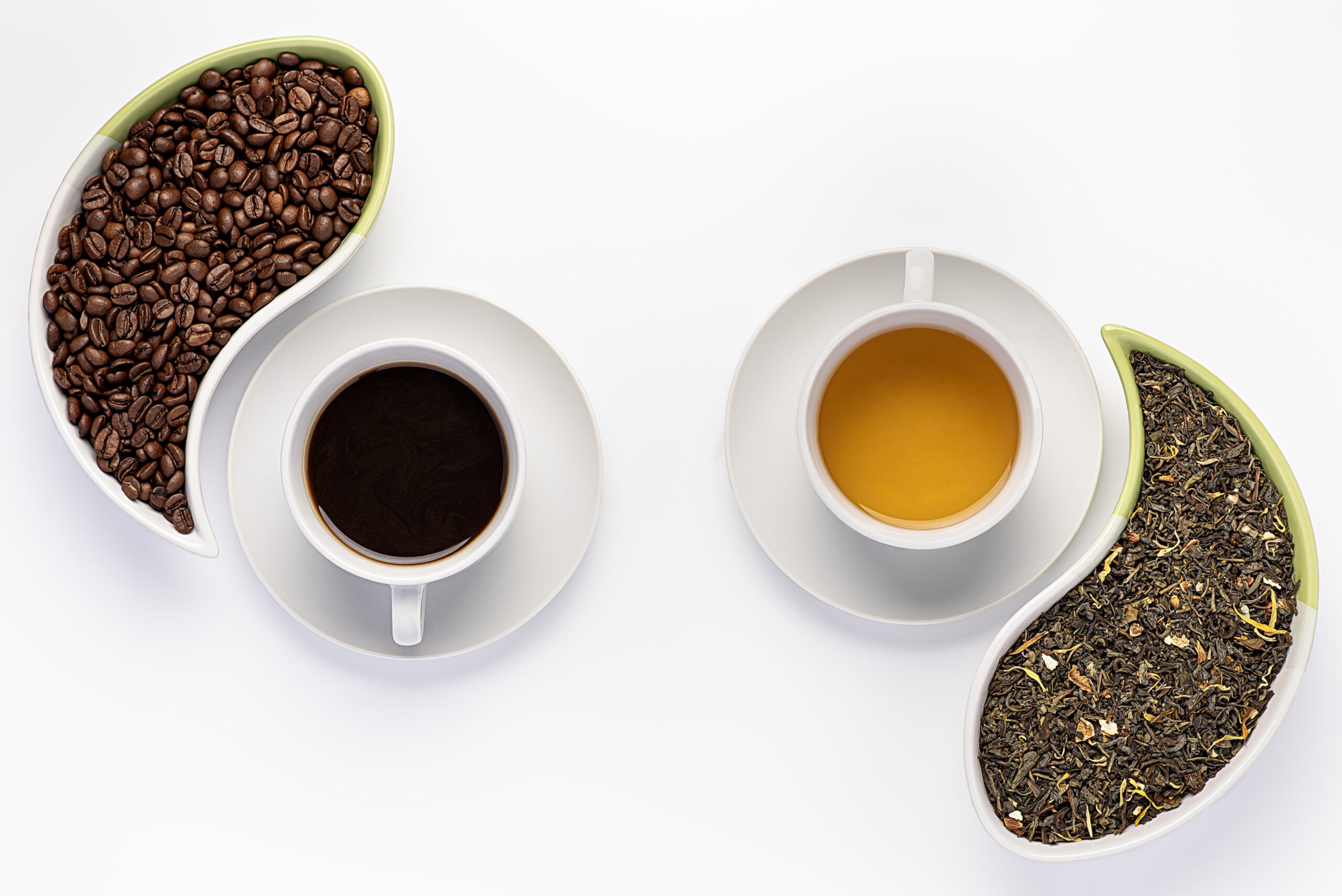
For many people in Singapore, the day doesn’t begin without a cup of kopi, teh, or a quick stop at a café. Coffee breaks, bubble tea outings, and evening teas are woven into daily life. But if you have high blood pressure—or are trying to prevent it—you may have wondered: is coffee worse than tea for my blood pressure, or is it the other way around?
As a hypertension doctor in Singapore, this is one of the most common questions I hear in clinic. The answer is not as simple as choosing one drink over the other. It depends on how these beverages affect your body, how much you consume, and how sensitive you are to caffeine.
Understanding the Core Issue
Both coffee and tea contain caffeine, a natural stimulant. Caffeine affects the nervous system and can temporarily raise blood pressure. However, the amount of caffeine, how quickly it is absorbed, and the other compounds present in coffee or tea make a difference in how your body responds.
What matters most is not just what you drink, but how often, how much, and how your body reacts.
How Coffee and Tea Affect the Body
Caffeine works by blocking adenosine, a chemical in the brain that helps blood vessels relax. When adenosine is blocked, blood vessels temporarily tighten, heart rate may increase, and blood pressure can rise.
A strong cup of coffee generally contains more caffeine than a cup of tea. Because of this, coffee is more likely to cause a noticeable short-term rise in blood pressure, especially in people who are sensitive to caffeine or do not drink it regularly.
Tea, particularly green and black tea, usually contains less caffeine and also includes plant compounds called flavonoids. These compounds may support blood vessel health over time and help counterbalance caffeine’s effects when consumed in moderation.
In most people, the blood pressure rise from caffeine appears within 30 to 60 minutes and settles within a few hours. However, repeated spikes throughout the day can add extra strain on the heart and blood vessels.
Who Is More Sensitive to These Effects?
Not everyone reacts to coffee or tea in the same way. You may be more affected if you:
- Already have hypertension or borderline high blood pressure
- Have a family history of heart disease
- Rarely consume caffeine
- Experience anxiety, palpitations, or poor sleep
- Have underlying conditions such as diabetes or kidney disease
Busy lifestyles, long working hours, stress, and poor sleep—common challenges in Singapore—can also amplify caffeine’s effects on blood pressure.
Common Symptoms to Watch For
Some people notice clear signs that caffeine affects them, while others do not. Possible warning signs include:
- Headaches after coffee or tea
- A racing or pounding heartbeat
- Feeling jittery or anxious
- Temporary dizziness
- Higher blood pressure readings after caffeine
If you consistently notice these symptoms, it may be a signal that your body is sensitive to caffeine.
Evidence-Based Prevention and Management
Current medical evidence shows that moderate caffeine intake does not usually cause long-term hypertension in healthy adults. However, moderation is key.
For most people with stable blood pressure:
- 1 to 2 cups of coffee per day is generally safe
- Tea is often better tolerated due to lower caffeine levels
For people with hypertension, a safer daily caffeine limit is usually lower, and individual response matters more than general rules. Tracking your blood pressure before and after caffeine intake for several days can provide valuable insight.
Practical Lifestyle and Dietary Guidance
You don’t need to completely give up coffee or tea unless advised. Instead:
- Avoid drinking caffeine on an empty stomach
- Limit large or extra-strong servings
- Reduce sugary additions like syrups and sweetened creamers
- Avoid caffeine late in the day to protect sleep quality
- Consider switching to weaker brews or decaffeinated options
Balancing caffeine intake with regular exercise, good sleep, stress management, and a heart-healthy diet makes a meaningful difference to blood pressure control.
When to Consult a Hypertension Doctor in Singapore
You should consider seeing a hypertension doctor in Singapore if:
- Your blood pressure remains above 130/80
- You notice repeated BP spikes after coffee or tea
- You experience palpitations, dizziness, or chest discomfort
- Lifestyle changes alone are not controlling your BP
A personalised assessment helps determine whether caffeine is contributing to unstable readings and how to manage it safely.
Frequently Asked Questions (FAQs)
1. Is coffee worse than tea for blood pressure?
Coffee usually has more caffeine, so it may raise blood pressure more noticeably in sensitive individuals.
2. Can I drink tea if I have high blood pressure?
Yes, most people tolerate tea well when consumed in moderation.
3. Does green tea raise blood pressure?
Green tea contains caffeine but also beneficial antioxidants. It is generally safe in moderate amounts.
4. How much caffeine is safe if I have hypertension?
Many people with hypertension do better staying under 200–250 mg per day, but individual tolerance varies.
5. Can caffeine cause permanent high blood pressure?
Caffeine usually causes temporary increases, but repeated spikes may worsen control over time.
6. Should I stop caffeine completely?
Not necessarily. Reducing intake or switching to lower-caffeine options is often sufficient.
7. Do bubble tea and energy drinks affect BP?
Yes. They can contain high caffeine and sugar, both of which may raise blood pressure.
8. Does decaf coffee affect blood pressure?
Decaffeinated coffee has minimal effect on blood pressure and is often a good alternative.
9. Can caffeine interfere with BP medications?
In some cases, yes. Timing and dosage matter and should be discussed with your doctor.
10. How can I tell if caffeine affects my BP?
Check your blood pressure before and after caffeine for several days and look for consistent rises.
A Reassuring Takeaway
Coffee and tea are part of everyday life in Singapore, and most people can enjoy them safely with awareness and moderation. The key is understanding how your body responds. Small adjustments today can prevent long-term heart strain tomorrow.
If you are unsure whether caffeine is affecting your blood pressure, a consultation with a hypertension doctor in Singapore can provide clarity, reassurance, and a plan tailored to your lifestyle. Early attention makes long-term control far easier and safer.