

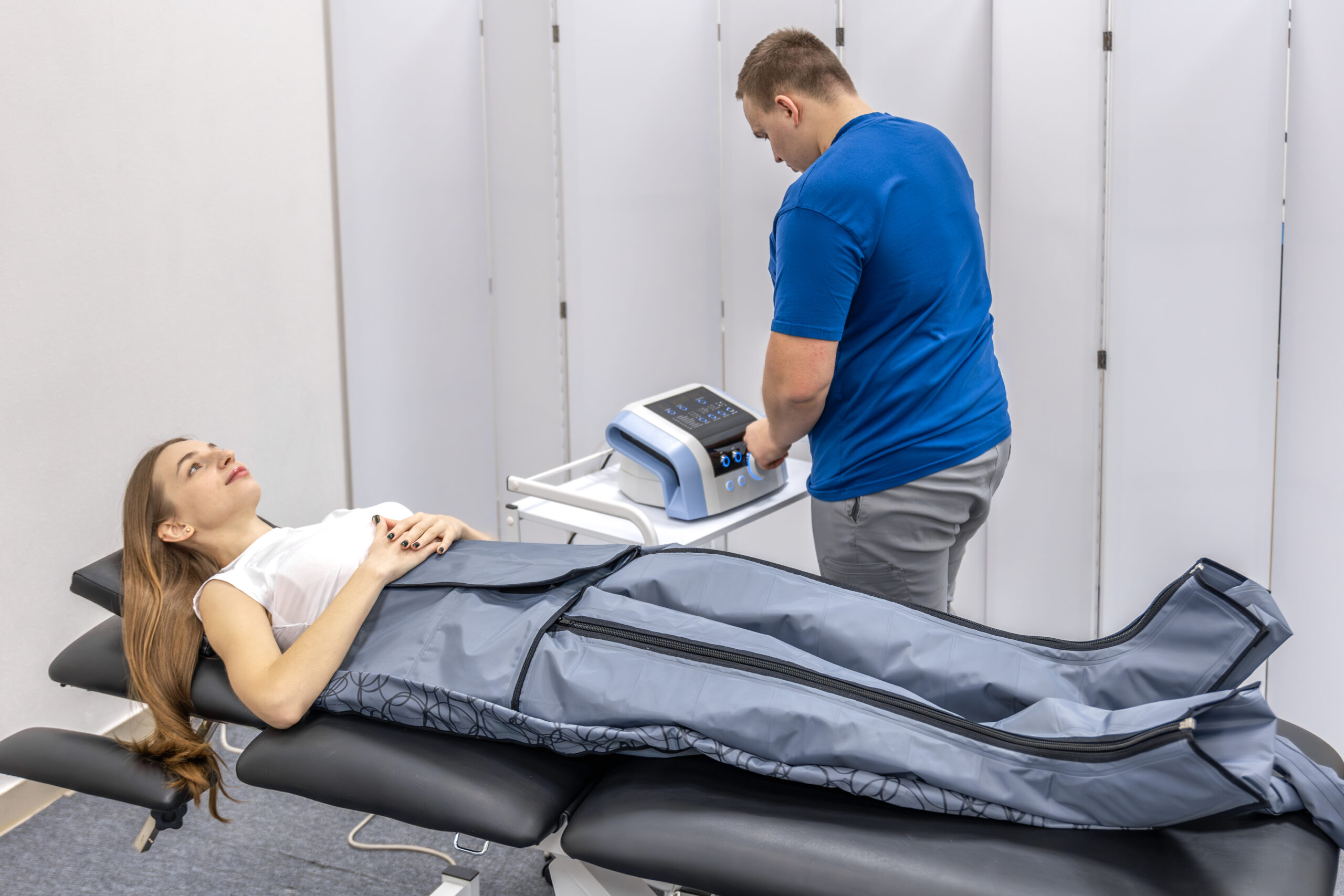
Chronic pain and stiffness are among the most common concerns I see in clinical practice in Singapore. Whether it is persistent back pain from long hours at a desk, knee stiffness that limits daily walks, or muscle tightness that never fully settles, these symptoms can gradually affect mobility, sleep, mood, and overall quality of life.
Many patients rely on painkillers or anti-inflammatory medication for relief. While these medicines can be helpful in certain situations, long-term use is not always ideal and may come with unwanted side effects. As a result, more patients are asking about non-drug, supportive therapies that work alongside conventional care. One such approach is Bioelectric Meridian Therapy, often discussed when patients ask, what is Bioelectric Meridian Therapy and how it fits into modern integrative healthcare.
At Kaizen Medical, this therapy is considered as part of a broader, patient-centred approach to managing chronic pain and improving movement, under the clinical guidance of Dr Adrian Mondry.
What Is Bioelectric Meridian Therapy?
Bioelectric Meridian Therapy, often referred to as BMT, is a non-invasive therapy that focuses on the body’s natural electrical signals. From a medical perspective, every cell, nerve, and muscle in the body communicates through small electrical impulses. These signals help regulate movement, sensation, circulation, and tissue repair.
The term “meridian” comes from traditional medicine, where it describes pathways through which energy flows. In modern understanding, these pathways often correspond with networks of nerves, connective tissue, and bioelectrical activity. Bioelectric Meridian Therapy aims to gently stimulate specific points along these pathways using low-level electrical signals.
The intention is not to force change in the body, but to support normal communication between tissues, particularly in areas affected by pain, stiffness, or restricted movement.
How Bioelectric Meridian Therapy Works
To understand how BMT may help, it is useful to look at pain and stiffness from a physiological perspective. Chronic pain often involves more than just an injured muscle or joint. Over time, the nervous system can become more sensitive, muscles may remain in a state of tension, and circulation to affected areas may be reduced.
During Bioelectric Meridian Therapy session, controlled electrical stimulation is applied to targeted areas of the body. These signals are kept at low intensities and are generally well tolerated. From a simplified medical viewpoint, this stimulation may help to:
- Support normal nerve signalling
- Encourage muscle relaxation
- Improve local blood flow
- Assist the body’s natural regulatory processes
By influencing these systems together, BMT may help reduce the cycle of pain and stiffness that limits comfortable movement.
How BMT May Support Chronic Pain Relief
Chronic pain conditions are rarely identical from one patient to another. However, certain patterns are commonly seen, including persistent muscle tightness, reduced joint mobility, and heightened pain sensitivity.
Bioelectric Meridian Therapy is often explored for chronic pain involving:
- Neck, shoulder, and upper back tension
- Lower back discomfort
- Joint stiffness affecting knees, hips, or shoulders
- Muscle tightness following old injuries
- Pain associated with prolonged sitting or repetitive strain
Some patients report a gradual reduction in pain intensity and improved comfort with movement over a course of sessions. It is important to note that responses vary, and outcomes depend on individual health factors, consistency of care, and integration with other treatments.
Reducing Stiffness and Improving Movement
Stiffness can be just as limiting as pain itself. When muscles and connective tissues remain tight, normal movement patterns are disrupted. This can lead to compensatory strain elsewhere in the body.
By supporting muscle relaxation and neuromuscular coordination, Bioelectric Meridian Therapy may help improve flexibility and ease of movement. Patients sometimes notice that everyday activities such as walking, bending, or turning become more comfortable.
Improved movement is not only about physical comfort. Maintaining mobility is essential for long-term joint health, balance, and independence, especially as we age.
Who May Consider Bioelectric Meridian Therapy
Bioelectric Meridian Therapy may be considered by patients who:
- Experience ongoing pain or stiffness despite standard treatments
- Prefer non-drug, non-invasive supportive therapies
- Are exploring integrative or complementary approaches
- Wish to support rehabilitation or physiotherapy programmes
This therapy is not intended as a standalone solution for all conditions. Instead, it may form part of a broader, personalised care plan following proper medical assessment.
Safety Considerations and Suitability
BMT is generally regarded as low risk when delivered by trained healthcare professionals. However, suitability should always be assessed on an individual basis.
Patients should inform their doctor if they have:
- Implanted electronic devices such as pacemakers
- Certain neurological or cardiac conditions
- Active skin infections or wounds at treatment sites
- Any concerns about electrical therapies
A consultation allows the doctor to review medical history, current symptoms, and overall health before recommending this therapy.
How BMT Fits Into an Integrative Care Approach
At Kaizen Medical, chronic pain management often involves addressing multiple contributing factors. Bioelectric Meridian Therapy may be used alongside:
- Medical evaluation and diagnosis
- Physiotherapy or rehabilitation exercises
- Postural and ergonomic advice
- Lifestyle guidance related to stress, sleep, and activity
Integrative care aims to support not just symptom relief, but also long-term function and quality of life.
When to Seek Medical Advice
While complementary therapies can be supportive, medical review is essential in certain situations. Patients should seek prompt medical attention if they experience:
- Sudden or severe pain
- Progressive weakness or numbness
- Pain following injury or trauma
- Pain associated with fever, unexplained weight loss, or other systemic symptoms
A proper diagnosis ensures that underlying conditions are identified and treated appropriately.
Frequently Asked Questions
1. Is Bioelectric Meridian Therapy painful?
Most patients describe the sensation as mild and comfortable, such as gentle tingling.
2. How long does a session usually last?
Sessions typically last between 30 to 60 minutes, depending on individual needs.
3. Can BMT help long-standing pain?
Some patients with chronic pain report improvement, but responses vary.
4. Is this therapy suitable for older adults?
Many older patients consider BMT, but suitability should be assessed individually.
5. Are there side effects?
Side effects are uncommon, though temporary sensations may occur.
6. Can I continue my current treatment alongside BMT?
Yes, it is often used alongside other treatments as part of integrative care.
7. How soon might I notice changes?
Some patients notice changes early, while others require several sessions.
8. Is Bioelectric Meridian Therapy evidence-based?
Research into bioelectrical therapies is ongoing, and clinical judgement guides its use.
9. Does BMT involve medication?
No, it does not involve drugs or injections.
10. Do I need a consultation before starting therapy?
Yes, a consultation helps ensure safety and appropriate treatment planning.
Considering Your Next Step
Managing chronic pain and stiffness often requires patience and a thoughtful approach. For some patients, Bioelectric Meridian Therapy may provide supportive benefits when used as part of an integrative care plan.
If you are exploring non-drug options to improve comfort and movement, a consultation at Kaizen Medical can help determine whether this approach is suitable for you. A personalised discussion with Dr Adrian Mondry allows your care to be guided by medical insight, safety, and your individual health goals.