
In Singapore, alcohol is part of many social occasions — dinners with colleagues, gatherings with friends, and family celebrations. Many people are surprised to learn that even moderate “social drinking” can influence blood pressure more than expected. As an Internal medicine doctor in Singapore, I often explain that alcohol affects not just the liver but also the heart and blood vessels, and these effects become more noticeable with age or added risk factors. While small amounts may be safe for some, regular or heavy intake is a well-established cause of high blood pressure.
Understanding how alcohol affects your body is an important step in protecting long-term heart health.
How Alcohol Affects Blood Pressure: A Simple Explanation
Alcohol raises blood pressure through several mechanisms:
1. Activation of the sympathetic nervous system
Alcohol triggers the “fight or flight” response, causing a faster heart rate, narrower blood vessels, and a rise in blood pressure — even after a single drinking session.
2. Hormone disruption
Alcohol interferes with renin, angiotensin, and aldosterone, which regulate fluid balance and vessel tension. When these hormones are affected, blood pressure increases.
3. Fluid retention
Alcohol makes the kidneys less efficient at handling sodium and water, increasing blood volume.
4. Weight gain
Alcohol contains empty calories, and sugary mixers add even more. Weight gain raises blood pressure over time.
5. Poor sleep
Alcohol disrupts sleep, increasing stress hormones like cortisol, which can spike blood pressure the next day.
These effects are well supported by research from the AHA and other global guidelines.
The Singapore Context: Why This Matters
Certain habits here make alcohol’s impact on blood pressure more pronounced:
- Weekend or binge drinking — large amounts consumed at once significantly raise blood pressure.
- High-stress work culture — stress plus alcohol amplifies hypertension risk.
- Salty food pairings — satay, fried snacks, bar bites, and preserved meats worsen blood pressure.
- Rising metabolic conditions — obesity, diabetes, and fatty liver heighten alcohol-related risks.
- Limited awareness of safe drinking levels — many assume moderate intake is harmless without considering personal risk factors.
These patterns are why an Internal medicine doctor in Singapore will often ask detailed questions about drinking habits during hypertension assessments.
Short-Term vs Long-Term Effects
Short-term:
After drinking, you may experience temporary spikes in blood pressure, faster heart rate, dehydration, and next-day elevations — especially if you already have hypertension.
Long-term:
Regular or heavy intake can lead to persistent hypertension, thickening of the heart muscle, higher risk of heart attack and stroke, worsening diabetes and obesity, and increased risk of arrhythmias. These changes can develop even without prior hypertension.
Importance of Early Detection
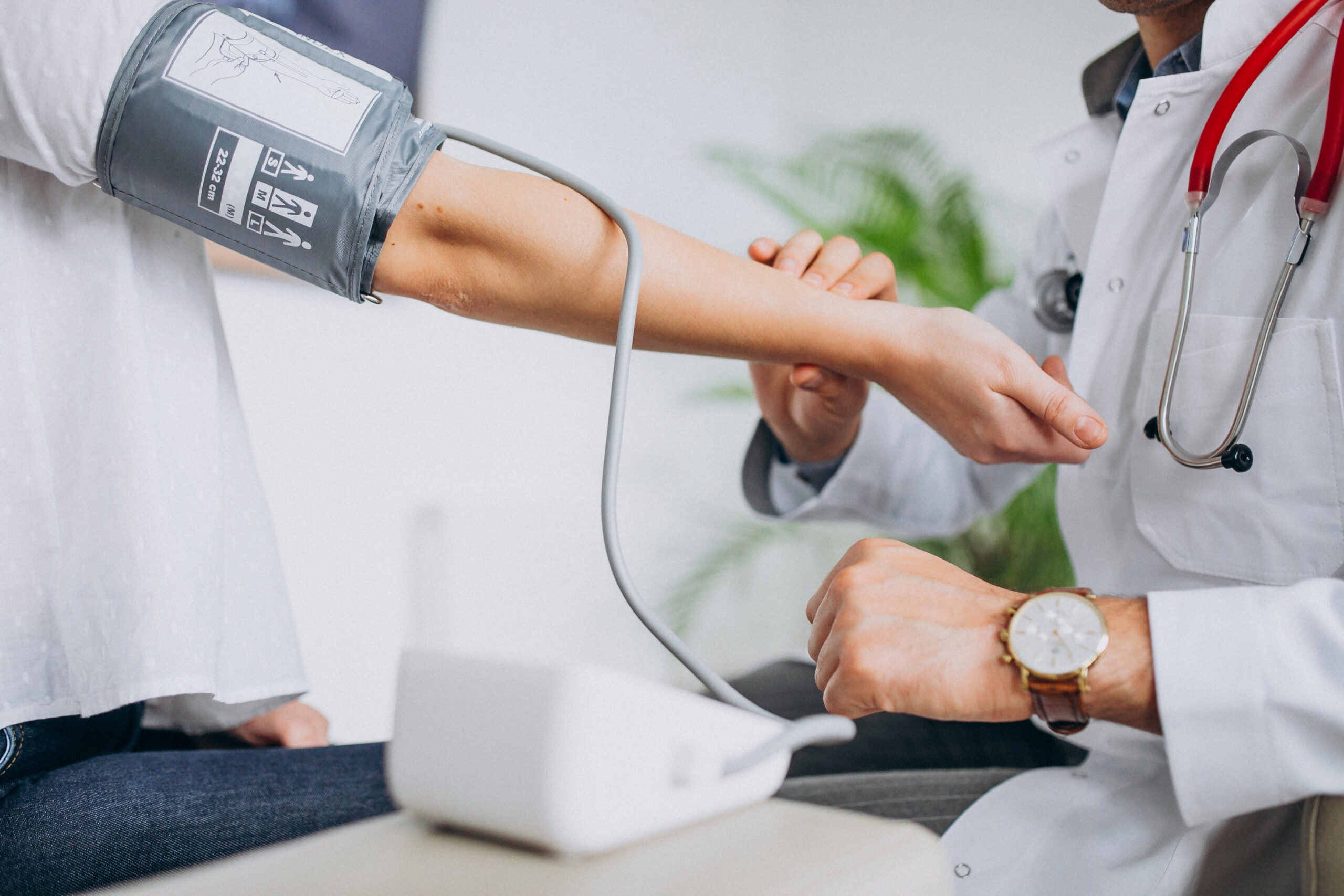
Alcohol-related increases in blood pressure often go unnoticed. Early detection helps you adjust habits, identify early cardiovascular strain, and prevent complications such as kidney disease and stroke. If your readings rise after weekends or celebrations, it’s worth reviewing this with an Internal medicine doctor in Singapore.
Evidence-Based Ways to Manage Alcohol-Related Blood Pressure
Medical guidelines recommend:
- Limit intake
- Men: up to 2 standard drinks per day
- Women: up to 1 standard drink per day
Examples: 330 ml beer, 100–150 ml wine, 30 ml spirits.
- Men: up to 2 standard drinks per day
- Avoid binge drinking
- Track consumption
- Choose healthier food pairings — avoid salty or fried snacks.
- Stay hydrated
- Take alcohol-free days
- Check your blood pressure often
- Seek medical support when alcohol begins affecting health or daily life.
Science-Backed Lifestyle Recommendations
- Reduce intake gradually if needed.
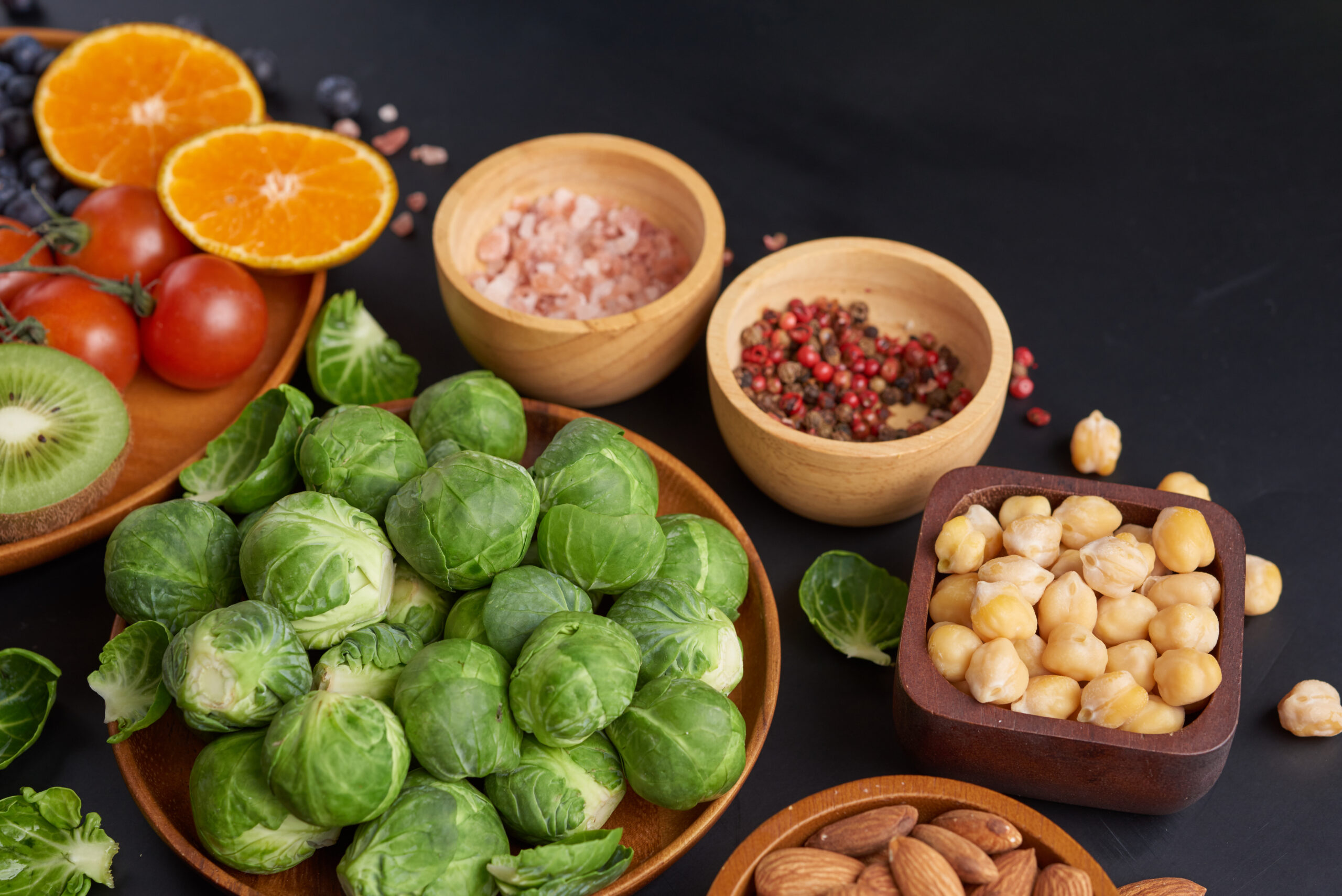
- Replace drinking rituals with herbal tea, sparkling water, light exercise, or mindfulness.
- Choose lower-alcohol options.
- Eat before drinking to slow absorption.
- Protect sleep quality.
- Support heart health with balanced meals.
- Stay physically active.
- Maintain a healthy weight.
Conclusion
Alcohol is woven into social life in Singapore, but knowing how it affects blood pressure puts you in control. Alcohol influences hormones, the nervous system, kidney function, sleep, and weight — all of which impact blood pressure in the short and long term. With mindful drinking, early detection, and guidance from an Internal medicine doctor in Singapore, many people can stabilise their readings and reduce their reliance on medication.
Small choices — spacing out drinks, choosing water, avoiding weekend binges, or taking alcohol-free days — can make meaningful improvements over time. You don’t need to give up alcohol completely; you simply need to understand how your body responds and make choices that support your health.
Frequently Asked Questions
- Can one night of drinking raise blood pressure?
Yes, heavy drinking can cause a noticeable temporary rise. - How does binge drinking affect blood pressure?
It strongly activates the stress response and elevates blood pressure more than moderate intake. - Is wine safer than beer or spirits?
Not necessarily. The total amount of alcohol matters most. - How long does alcohol affect blood pressure?
Short-term effects last 12–24 hours; long-term drinking can cause chronic hypertension. - Will cutting alcohol lower my blood pressure?
Yes. Many people see improvements within weeks. - How do I know if alcohol is affecting my readings?
Compare readings before and after drinking occasions. - Is alcohol safe with hypertension medication?
Small amounts may be fine, but alcohol can interact with some medicines. Ask your doctor. - Are zero-alcohol drinks helpful?
They can reduce intake but may contain added sugar. - Does alcohol cause long-term heart damage?
Chronic heavy drinking can weaken the heart and increase arrhythmia risk. - Should I consult a doctor if I drink regularly?
Yes. An Internal medicine doctor in Singapore can help assess risks and guide lifestyle changes.