
Chronic pain rarely exists in isolation. In clinical practice in Singapore, pain is often closely linked to stress, lifestyle demands, past injuries, and how the body adapts over time. Long working hours, prolonged screen use, limited physical activity, and high stress levels can all contribute to ongoing muscle tension, stiffness, and reduced mobility. Over months or years, this can develop into persistent discomfort that affects sleep, mood, and daily functioning.
Many patients seeking therapy for chronic pain relief are not only looking for symptom control, but also for approaches that support the body’s natural ability to recover and adapt. ABMMA-Bioelectric Meridian Therapy (BMT) is one such option that patients often ask about, particularly when exploring integrative or non-drug therapies.
At Kaizen Medical, BMT is considered within a broader, medically guided framework of care. This article explains who may benefit most from this therapy, ranging from stress-related tension to post-injury recovery, and how it fits into a comprehensive approach to chronic pain management under the care of Dr Adrian Mondry.
Understanding Bioelectric Meridian Therapy in Simple Terms
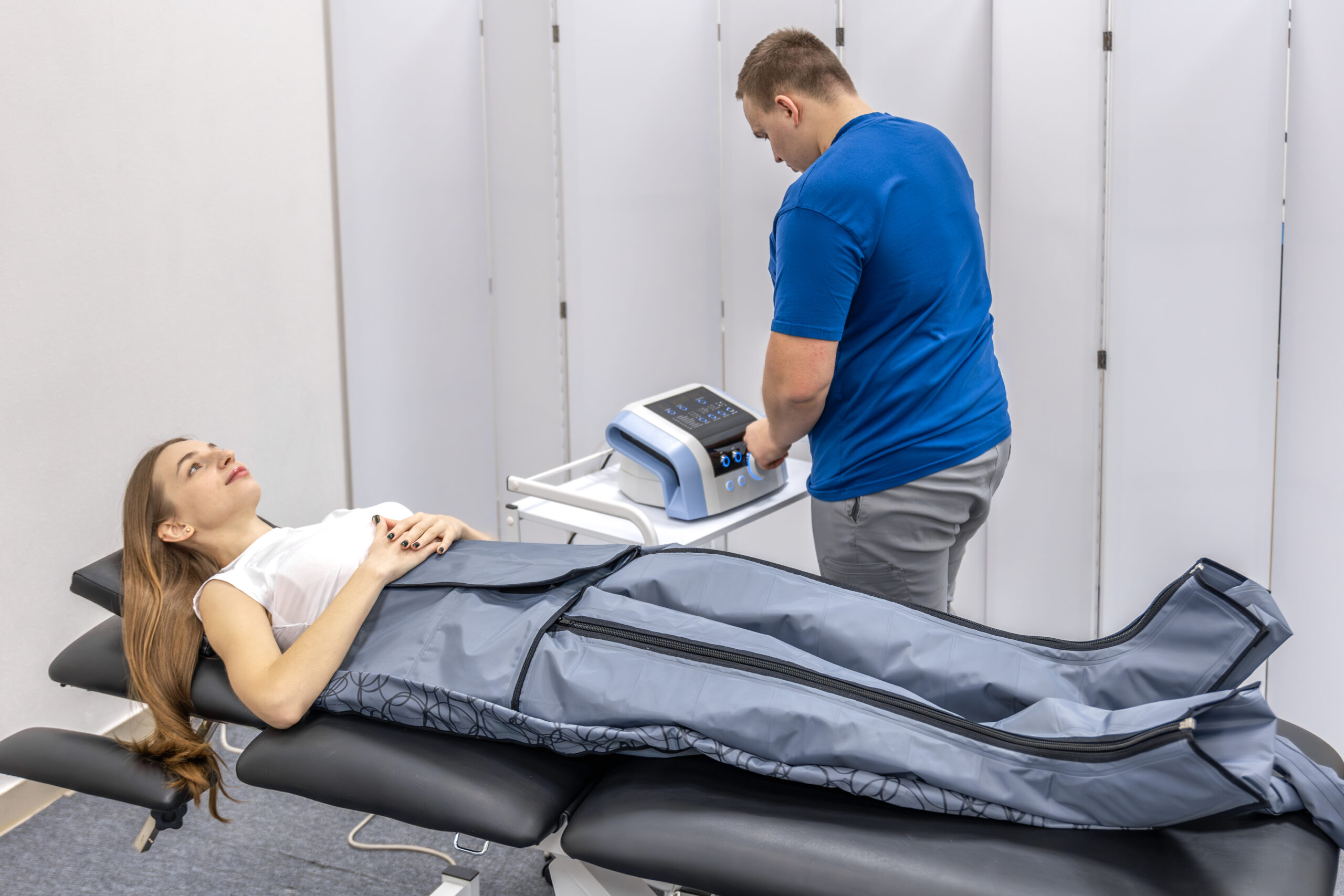
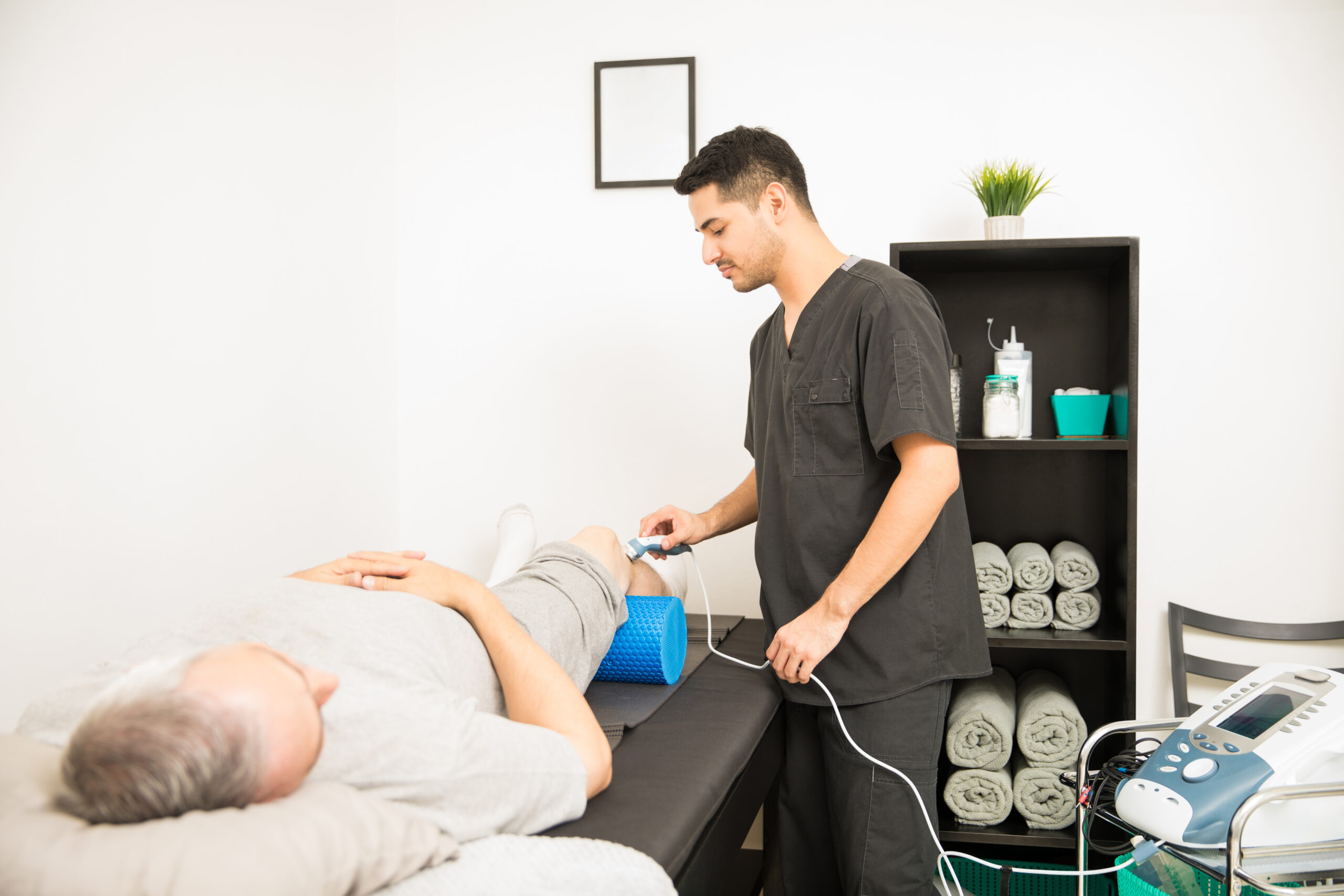
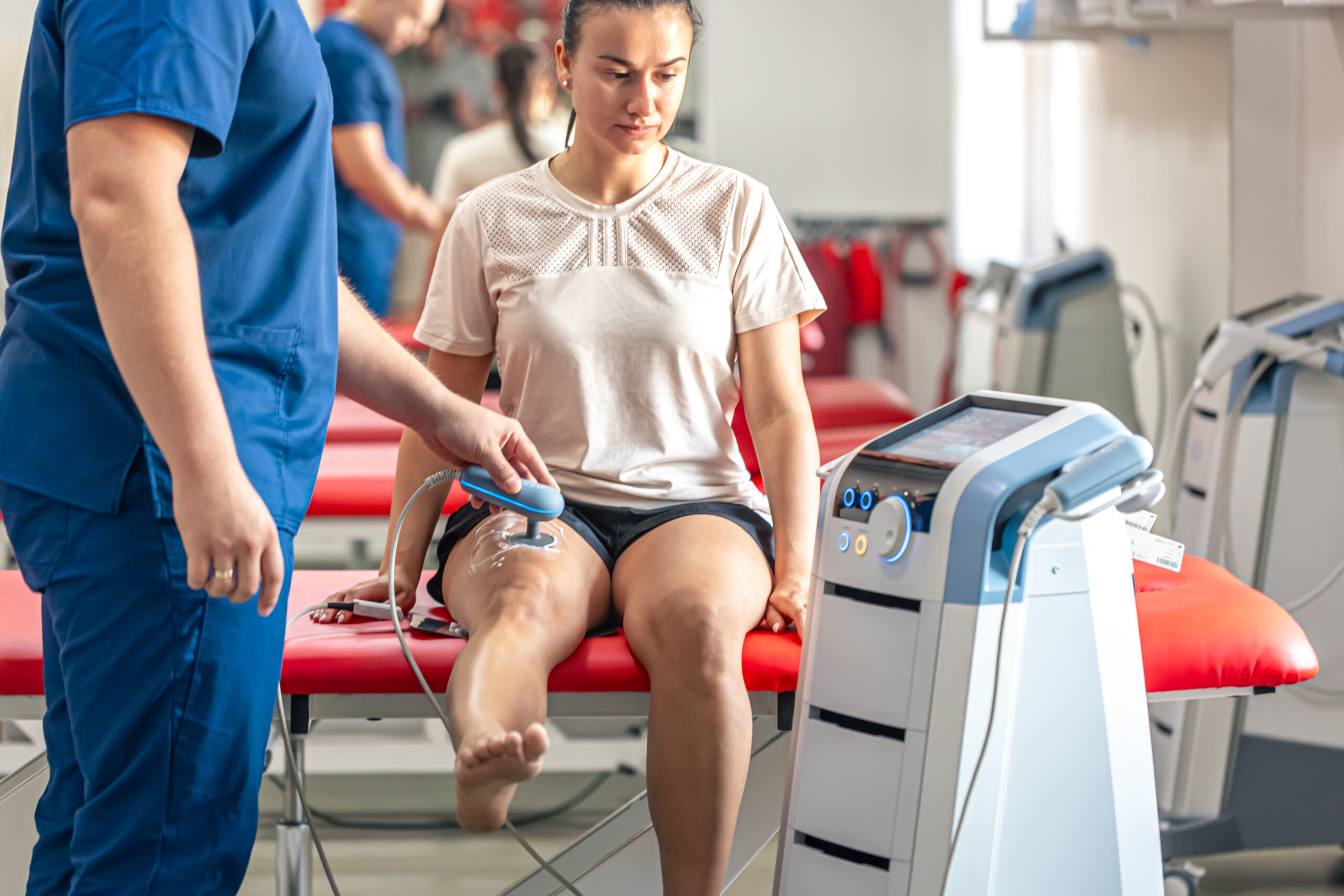
Bioelectric Meridian Therapy is a non-invasive approach that focuses on the body’s bioelectrical communication systems. From a medical perspective, nerves, muscles, and connective tissues rely on electrical signals to coordinate movement, sensation, and repair. When these signals are disrupted, pain, stiffness, or functional limitations may develop.
The concept of “meridians” originates from traditional medicine, where they are described as pathways of energy flow. Modern interpretations link these pathways to networks of nerves, fascia, and bioelectrical activity. BMT uses gentle, low-level electrical stimulation at specific points along these pathways to support normal physiological signalling.
The goal is not to force change, but to assist the body in restoring balance, particularly in areas affected by chronic tension or impaired movement.
How BMT Works From a Medical Perspective
Chronic pain often involves a combination of factors rather than a single structural problem. Over time, muscles may remain in a guarded or tense state, nerves can become more sensitive, and circulation to certain tissues may be reduced. This can create a cycle where pain limits movement, and reduced movement further worsens stiffness and discomfort.
During Bioelectric Meridian Therapy, mild electrical impulses are applied in a controlled manner. These impulses may help to:
- Support normal nerve signalling
- Encourage relaxation of chronically tight muscles
- Improve local blood flow
- Assist neuromuscular coordination
By influencing these mechanisms together, BMT may help reduce persistent tension and support smoother, more comfortable movement.
Potential Benefits for Chronic Pain and Related Conditions
While responses vary between individuals, Bioelectric Meridian Therapy is commonly explored by patients dealing with long-standing discomfort that affects daily life. It may be used to support conditions such as:
- Ongoing neck and shoulder tension
- Lower back pain related to prolonged sitting
- Joint stiffness in the knees, hips, or shoulders
- Muscle tightness following old injuries
- Generalised aches linked to stress or fatigue
Some patients report gradual improvements in pain levels, flexibility, and overall comfort. These changes often occur over time and are influenced by consistency of therapy and integration with other treatments.
Patients With Stress-Related Muscle Tension
Stress plays a significant role in chronic pain. In Singapore’s fast-paced environment, many individuals experience prolonged mental stress that manifests physically as muscle tightness, headaches, or upper back and neck discomfort.
BMT may help support relaxation of the nervous system and reduce muscle guarding associated with stress. By encouraging calmer neuromuscular responses, some patients find that tension-related pain becomes more manageable when combined with appropriate lifestyle and stress-management strategies.
Patients Recovering From Past Injuries
Previous injuries, even those that occurred years ago, can leave behind residual stiffness or altered movement patterns. Scar tissue, reduced mobility, and protective muscle tension can persist long after the initial injury has healed.
Bioelectric Meridian Therapy may be considered as part of post-injury recovery, particularly when patients experience lingering discomfort despite conventional rehabilitation. It may help support tissue recovery and coordination when used alongside physiotherapy and guided exercise.
Patients With Reduced Mobility or Stiffness
Stiffness can significantly limit daily activities, especially in older adults or individuals with sedentary routines. Reduced joint range of motion and muscle flexibility often develop gradually, sometimes without a clear injury.
By supporting muscle relaxation and circulation, BMT may help improve ease of movement for some patients. Maintaining mobility is an important aspect of long-term musculoskeletal health and independence.
Who May Consider This Therapy
Bioelectric Meridian Therapy may be considered by patients who:
- Experience chronic pain or stiffness affecting daily life
- Prefer non-drug, non-invasive supportive therapies
- Are exploring integrative approaches to pain management
- Wish to complement physiotherapy or medical treatment
It is important to remember that BMT is not a replacement for medical diagnosis or essential treatment. Suitability should always be assessed by a qualified healthcare professional.
Safety Considerations and Suitability
BMT is generally regarded as low risk when delivered by trained practitioners. However, not all patients are suitable candidates.
Patients should inform their doctor if they have:
- Implanted electronic medical devices
- Certain neurological or cardiac conditions
- Active infections or skin conditions at treatment sites
- Any concerns regarding electrical therapies
A thorough consultation allows for individual assessment and appropriate treatment planning.
How BMT Fits Into an Integrative Care Approach
At Kaizen Medical, chronic pain management often involves addressing multiple contributing factors. Bioelectric Meridian Therapy may be used alongside:
- Medical assessment and diagnosis
- Physiotherapy and rehabilitation programmes
- Postural and ergonomic guidance
- Lifestyle advice related to activity, sleep, and stress
An integrative approach aims to support not just symptom reduction, but also functional improvement and overall well-being.
When Patients Should Seek Medical Advice
While complementary therapies can be supportive, medical evaluation is essential in certain situations. Patients should seek medical attention if they experience:
- Sudden or severe pain
- Progressive weakness or numbness
- Pain following trauma or injury
- Pain associated with fever or unexplained weight loss
Prompt assessment ensures that underlying conditions are identified and managed appropriately.
Frequently Asked Questions
1. Is Bioelectric Meridian Therapy suitable for all types of chronic pain?
It may support some types of chronic pain, but suitability depends on individual assessment.
2. Can BMT help stress-related muscle tension?
Some patients report reduced tension when BMT is combined with stress-management strategies.
3. Is this therapy painful?
Most patients describe mild, comfortable sensations during treatment.
4. How many sessions are usually needed?
The number of sessions varies depending on the condition and response.
5. Can BMT be used after an injury?
It may be considered as part of post-injury recovery under medical guidance.
6. Does BMT involve medication?
No, it does not involve drugs or injections.
7. Is it suitable for older adults?
Many older patients consider it, but individual assessment is important.
8. Are there side effects?
Side effects are uncommon and usually mild if they occur.
9. Can it be combined with physiotherapy?
Yes, it is often used alongside physiotherapy and rehabilitation.
10. Do I need a consultation before starting therapy?
A consultation is important to ensure safety and suitability.
Considering a Thoughtful Next Step
Managing chronic pain, stiffness, or post-injury discomfort often requires a personalised and balanced approach. For some patients, Bioelectric Meridian Therapy may offer supportive benefits as part of an integrative care plan.
If you are exploring therapy for chronic pain relief and would like to understand whether this approach is suitable for your condition, consider booking a consultation at Kaizen Medical. A personalised discussion with Dr Adrian Mondry can help guide safe, informed decisions about your ongoing care and recovery.