

For many people in Singapore, living with chronic pain means navigating work demands, family responsibilities, and an active lifestyle while managing ongoing discomfort. Neck and shoulder tension from desk work, lower back pain from prolonged sitting, or stiffness following an old injury are common concerns. When pain persists despite standard care, patients often begin exploring an alternative therapy for chronic pain Singapore that can support recovery without relying solely on medication.
Starting a new therapy can naturally bring questions and some uncertainty. Understanding what happens during the first session, how safety is considered, and what outcomes are realistic can help patients feel more confident and prepared. At Kaizen Medical, new integrative therapies are introduced thoughtfully, with medical oversight and patient education as priorities.
This guide explains what patients can expect during their first session, how safety is addressed, and how this therapy fits into a broader approach to chronic pain management under the care of Dr Adrian Mondry.
Understanding the Therapy in Simple Terms
The therapy offered at Kaizen Medical is a non-invasive, supportive approach designed to work with the body’s natural regulatory systems. Rather than focusing on suppressing symptoms, it aims to support normal physiological processes that influence pain perception, muscle tension, and movement.
From a patient’s perspective, this therapy does not involve injections, surgery, or medication. Instead, it uses gentle physical stimulation guided by clinical assessment. It is often explored by patients who are curious about integrative care or who prefer approaches that complement conventional medical treatment.
How the Therapy Works From a Medical Perspective
Pain, especially when it becomes chronic, often involves more than just a single injured structure. Over time, the nervous system may become more sensitive, muscles may remain tense, and normal movement patterns can change. These factors can contribute to ongoing discomfort even after the original cause has improved.
This therapy works by gently influencing the body’s neuromuscular and regulatory systems. Controlled stimulation is applied in a way that may help:
- Encourage relaxation of persistently tight muscles
- Support normal nerve signalling
- Improve circulation to targeted areas
- Assist coordination between muscles and joints
The approach is designed to support the body rather than override it. Many patients describe the sensation during therapy as mild and comfortable, such as warmth or gentle tingling.
What Happens During Your First Session
Initial Consultation and Assessment
Your first visit begins with a detailed consultation. This step is essential and should never be skipped. The doctor will review your medical history, current symptoms, lifestyle factors, and any previous treatments you have tried. This helps determine whether the therapy is appropriate for you.
You may be asked about:
- The location and nature of your pain
- How long symptoms have been present
- Activities that worsen or relieve discomfort
- Past injuries or medical conditions
This assessment allows the therapy to be tailored to your specific needs.
The Therapy Session
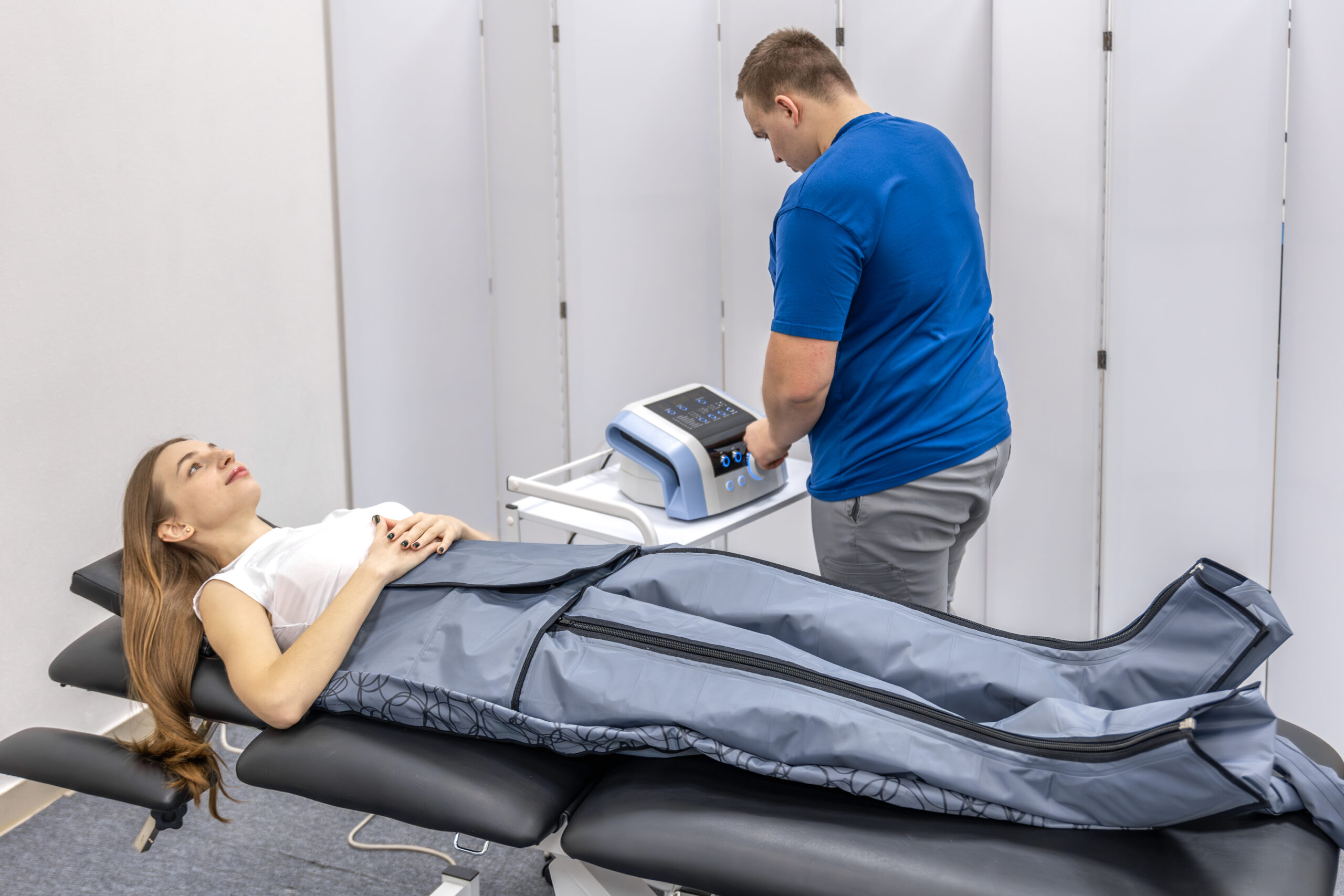
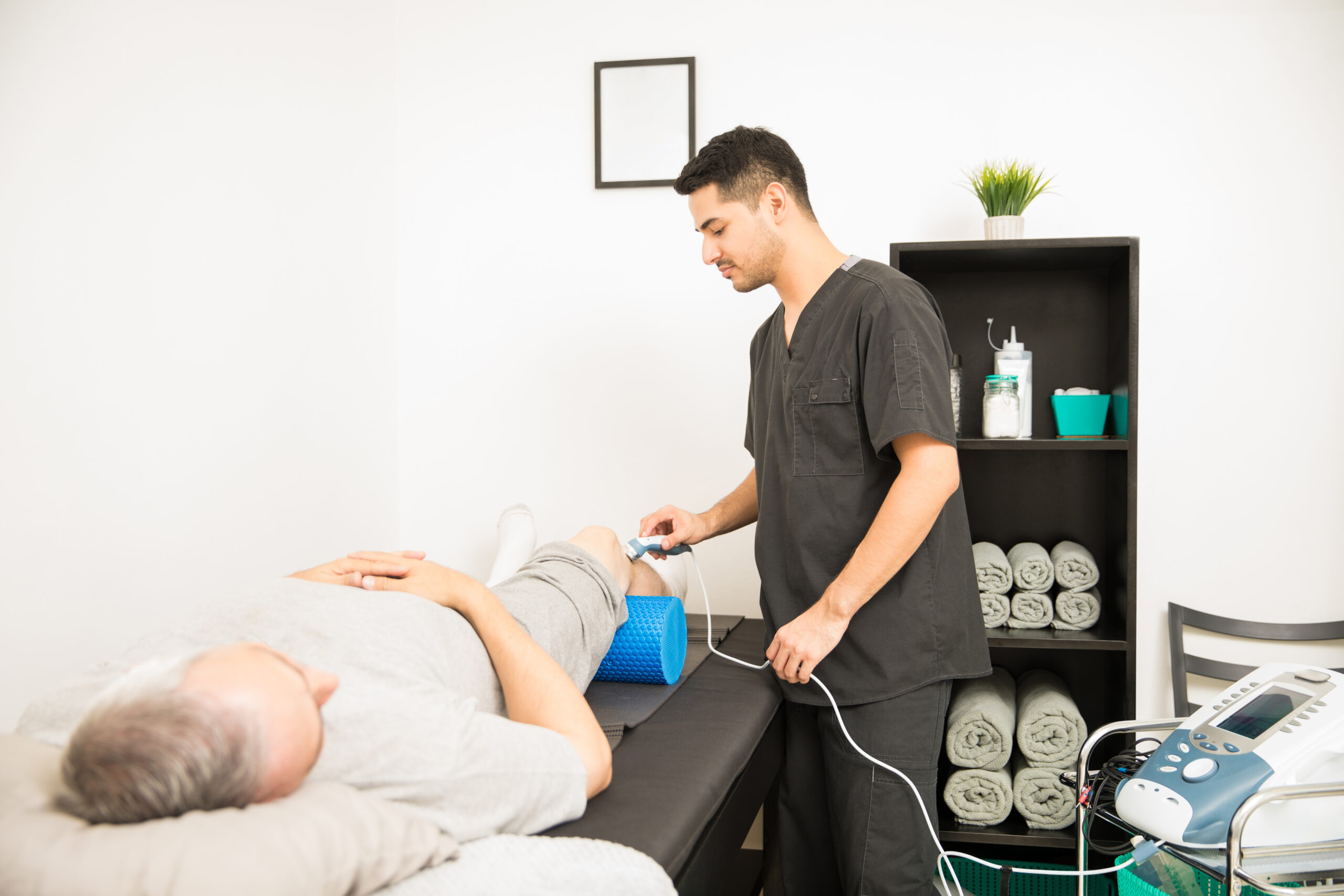
Once suitability is confirmed, the therapy is introduced in a controlled and measured way. You will be positioned comfortably, and stimulation is applied to selected areas based on your assessment. The intensity is adjusted carefully and kept within comfortable limits.
The session typically lasts between 60 and 90 minutes, depending on individual needs.
After the Session
After the session, some patients feel relaxed or notice temporary changes in sensation. Others may feel little difference immediately. Responses vary, and changes often occur gradually over a series of sessions rather than all at once.
Potential Benefits for Chronic Pain and Related Conditions
Patients explore this therapy for a range of chronic pain concerns, including:
- Ongoing neck, shoulder, or back pain
- Joint stiffness affecting mobility
- Muscle tightness linked to stress or posture
- Discomfort following old injuries
Some patients report improved comfort, reduced stiffness, or greater ease of movement over time. It is important to understand that results differ between individuals and depend on many factors, including consistency of care and overall health.
Who May Consider This Therapy
This therapy may be considered by patients who:
- Have chronic pain that affects daily activities
- Prefer non-drug, non-invasive supportive care
- Are exploring integrative or complementary therapies
- Wish to complement physiotherapy or rehabilitation
It is not intended to replace essential medical treatment or diagnostic evaluation. Instead, it may be used as part of a broader, personalised care plan.
Safety Considerations and Suitability
Safety is a key consideration when introducing any new therapy. This approach is generally regarded as low risk when delivered by trained healthcare professionals. However, it may not be suitable for everyone.
Patients should inform their doctor if they have:
- Implanted electronic medical devices
- Certain neurological or cardiac conditions
- Active skin conditions at treatment sites
- Any concerns about physical or electrical therapies
A proper consultation ensures that therapy recommendations are made responsibly and with individual safety in mind.
How This Therapy Fits Into an Integrative Care Approach
At Kaizen Medical, chronic pain management often involves addressing multiple contributing factors rather than focusing on a single symptom. Integrative care may include:
- Medical assessment and diagnosis
- Physiotherapy or guided exercise
- Postural and ergonomic advice
- Lifestyle guidance related to stress, sleep, and activity
This therapy may be used alongside these approaches to support overall function and quality of life.
When Patients Should Seek Medical Advice
While integrative therapies can be helpful, medical review is essential in certain situations. Patients should seek prompt medical attention if they experience:
- Sudden or severe pain
- Progressive weakness or numbness
- Pain following injury or trauma
- Pain associated with fever or unexplained weight loss
These symptoms may indicate conditions that require further investigation.
Frequently Asked Questions
1. Is the therapy painful?
Most patients find it comfortable, with mild sensations during treatment.
2. How long does the first session take?
Including assessment, the first visit usually lasts up to an hour.
3. Will I feel better immediately?
Some patients notice changes early, while others experience gradual improvement.
4. Is this therapy safe for older adults?
Many older patients consider it, but suitability depends on individual assessment.
5. Can I continue my current treatment?
Yes, it is often used alongside other medical or rehabilitative care.
6. Are there side effects?
Side effects are uncommon and usually mild if they occur.
7. How many sessions are usually recommended?
The number varies depending on the condition and response to therapy.
8. Does this therapy involve medication?
No, it does not involve drugs or injections.
9. Do I need a referral?
A referral is not always required, but a consultation is essential.
10. Is this therapy suitable for all types of pain?
Not all pain conditions are suitable, which is why assessment is important.
Taking a Thoughtful Next Step
Starting an alternative therapy for chronic pain is a personal decision that should be guided by clear information and medical oversight. Understanding what to expect from the first session can help patients feel more at ease and engaged in their care.
If you are considering an integrative approach to managing chronic pain and would like to learn whether this therapy is suitable for you, booking a consultation at Kaizen Medical is a practical next step. A personalised discussion with Dr Adrian Mondry allows your care to be guided by safety, clinical insight, and your individual health goals.