

High blood pressure, also known as hypertension, is one of the most common chronic health conditions worldwide. In Singapore, it affects a large proportion of adults and is often detected during routine health screenings. While medication is an important part of treatment for many patients, lifestyle and dietary choices also play a significant role in long-term blood pressure control.
According to Dr Adrian Mondry, an Internal Medicine physician practising in Singapore, nutrition is frequently overlooked when patients focus primarily on medication. One dietary factor that receives increasing attention in cardiovascular health is potassium intake.
Potassium-rich foods may help support healthy blood pressure by balancing the effects of sodium and supporting proper vascular function. For many patients, including expatriates adapting to new eating habits in Singapore, understanding the role of potassium can be an important step toward better cardiovascular health. Patients often seek guidance from a German speaking doctor in Singapore who can explain these concepts clearly and provide personalised advice.
Understanding the Role of Potassium in the Body
Potassium is an essential mineral and electrolyte that plays several key roles in the body. It helps regulate fluid balance, supports nerve function, and assists muscles—including the heart—in working properly.
One of potassium’s most important functions is its role in maintaining the balance between sodium and fluids within the body. Sodium tends to increase fluid retention, which can raise blood pressure. Potassium helps counteract this effect by encouraging the body to excrete excess sodium through the kidneys.
From a cardiovascular perspective, adequate potassium intake may help relax blood vessel walls and support normal blood pressure regulation.
Many patients are familiar with sodium reduction as part of hypertension management, but fewer realise that increasing potassium intake through healthy foods may also support blood pressure control.
Causes and Contributing Factors in High Blood Pressure
High blood pressure develops for a variety of reasons, and diet is only one part of the picture. In clinical practice, several factors commonly contribute to hypertension.
High Sodium Intake
Modern diets often contain significant amounts of sodium, especially from processed foods, restaurant meals, and packaged snacks. Excess sodium may lead to increased fluid retention and higher blood pressure.
Sedentary Lifestyle
Limited physical activity can contribute to weight gain and reduced cardiovascular fitness, both of which are associated with higher blood pressure levels.
Chronic Stress
Stress can influence hormone levels and nervous system activity, potentially contributing to persistent elevation of blood pressure.
Age and Genetic Factors
Genetics and ageing also play a role. Some individuals may have a higher genetic predisposition to hypertension, requiring more careful management.
Dietary Imbalance
Diets low in fruits and vegetables often provide insufficient potassium. This imbalance between sodium and potassium may influence blood pressure regulation.
For expatriates living abroad, changes in eating habits, work schedules, and stress levels can sometimes contribute to shifts in cardiovascular health. Many patients therefore consult a German speaking doctor in Singapore to review their lifestyle and dietary habits within the context of hypertension management.
Symptoms Patients Should Be Aware Of
One challenge with hypertension is that it often develops without obvious symptoms. This is why it is sometimes referred to as a “silent condition.”
However, when blood pressure becomes significantly elevated, some individuals may experience:
- Headaches
- Dizziness
- Fatigue
- Shortness of breath
- Blurred vision
These symptoms are not specific to hypertension and may occur for other reasons as well. Regular monitoring is therefore the most reliable way to detect and manage high blood pressure.
Diagnosis and Medical Evaluation
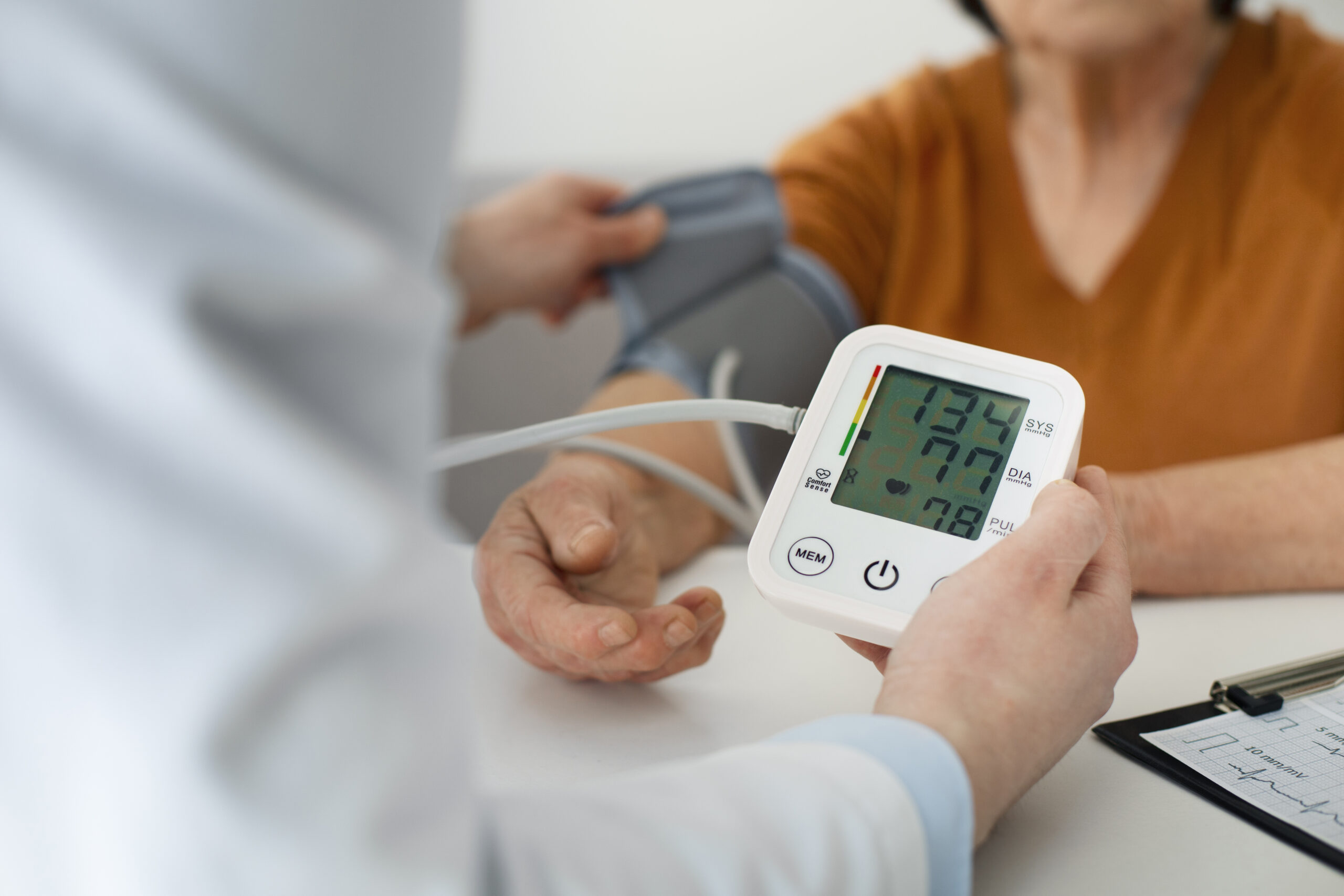
Diagnosing hypertension involves more than a single blood pressure reading. Doctors usually evaluate blood pressure over multiple visits or through home monitoring.
Medical evaluation typically includes:
Blood pressure measurement
Repeated readings help confirm whether blood pressure is consistently elevated.
Medical history review
Doctors review medications, lifestyle habits, and family history.
Blood and urine tests
These tests help evaluate kidney function, electrolyte balance, and metabolic health.
Cardiovascular risk assessment
Factors such as cholesterol levels, weight, and blood sugar may also be considered.
Dr Adrian Mondry often emphasises the importance of a comprehensive assessment rather than focusing on a single measurement. For patients living abroad, discussing these concerns with a German speaking doctor in Singapore can provide additional clarity and reassurance.
Treatment and Management Options
Managing hypertension usually involves a combination of medical treatment and lifestyle changes.
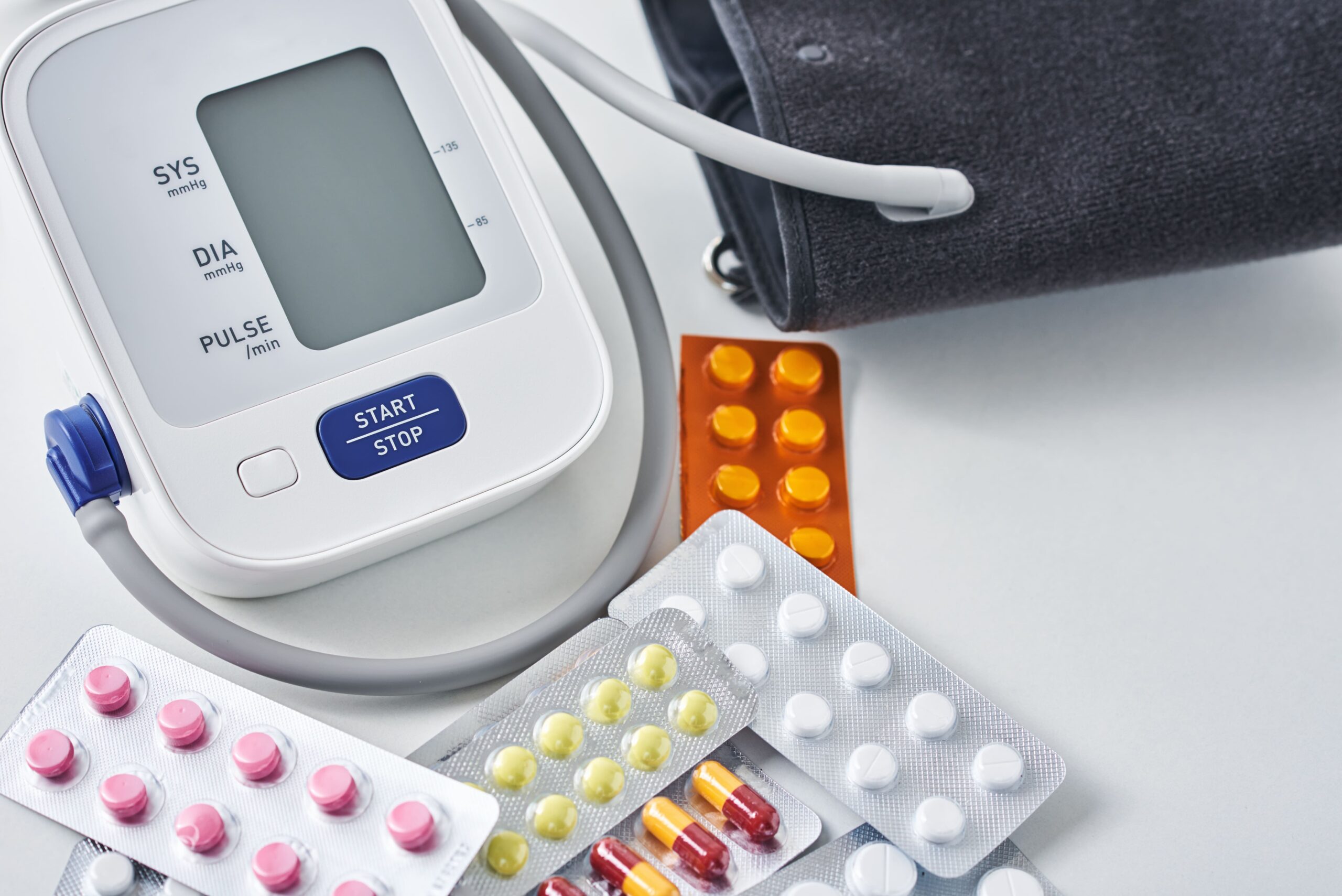
Medication
Blood pressure medications may be prescribed when lifestyle changes alone are insufficient. These medications work through different mechanisms, such as relaxing blood vessels or reducing fluid retention.
Dietary Adjustments
Dietary changes are commonly recommended alongside medication. Increasing potassium-rich foods may support blood pressure management when appropriate.
Examples of potassium-rich foods include:
- Bananas
- Spinach and leafy greens
- Avocados
- Sweet potatoes
- Beans and lentils
- Yogurt
- Tomatoes
These foods are widely available in Singapore and can be easily incorporated into daily meals.
Reducing Sodium Intake
Limiting salt intake remains one of the most effective dietary strategies for blood pressure control. Cooking more meals at home and reading food labels may help reduce sodium consumption.
Physical Activity
Regular physical activity may support cardiovascular health and improve blood pressure control.
Prevention and Lifestyle Guidance
Preventing hypertension or maintaining good blood pressure control often requires consistent lifestyle habits. Dr Adrian Mondry commonly encourages patients to adopt a balanced approach that includes nutrition, activity, and regular monitoring.
Balanced Diet
A diet rich in fruits, vegetables, whole grains, and lean proteins may support heart health. Foods naturally high in potassium may contribute to maintaining a healthy electrolyte balance.
Healthy Weight
Maintaining a healthy body weight can reduce strain on the cardiovascular system.
Regular Exercise
Activities such as walking, cycling, or swimming may help support healthy blood pressure levels.
Stress Management
Practices such as mindfulness, relaxation techniques, and adequate sleep may support overall cardiovascular wellbeing.
For individuals adjusting to life in Singapore, maintaining familiar dietary habits from home while incorporating local foods can help support a balanced and healthy lifestyle.
When to See a Doctor
Patients should consider consulting a doctor if:
- Blood pressure readings are consistently elevated
- They have a family history of hypertension
- Symptoms such as headaches or dizziness occur frequently
- They wish to review their diet or medication plan
Early evaluation allows for timely management and may reduce the risk of long-term complications.
For expatriates and international patients, communication and cultural understanding are important aspects of healthcare. Many individuals feel more comfortable discussing their concerns with a German speaking doctor in Singapore who understands both their medical needs and their background.
Frequently Asked Questions
1. How does potassium help control blood pressure?
Potassium helps balance sodium levels in the body and supports proper blood vessel function. This may contribute to healthier blood pressure levels when combined with other lifestyle measures.
2. Which foods are highest in potassium?
Common potassium-rich foods include bananas, avocados, spinach, sweet potatoes, beans, and yogurt. These foods are widely available and easy to include in daily meals.
3. Can potassium replace blood pressure medication?
Potassium-rich foods may support blood pressure control, but they do not replace prescribed medication. Patients should always follow medical advice regarding treatment.
4. How much potassium should I consume daily?
Recommended potassium intake varies depending on age, health status, and medical conditions. A doctor can provide personalised guidance.
5. Can too much potassium be harmful?
Yes. Excess potassium may be harmful for individuals with certain kidney conditions. It is advisable to consult a doctor before significantly increasing potassium intake.
6. Is potassium helpful for everyone with hypertension?
Many patients may benefit from balanced potassium intake, but individual needs differ. Medical evaluation helps determine what is appropriate.
7. Do potassium supplements help control blood pressure?
In most cases, potassium from food sources is preferred. Supplements should only be used under medical supervision.
8. Can reducing salt and increasing potassium work together?
Yes. Reducing sodium and increasing potassium intake may support healthier blood pressure regulation.
9. Should I monitor my blood pressure at home?
Home monitoring can provide useful information about blood pressure trends and may help guide treatment decisions.
10. When should I consult a hypertension specialist?
If blood pressure remains elevated despite lifestyle changes or medication, consulting a specialist may be beneficial.
If you are looking for a German speaking doctor in Singapore, you may consider booking a consultation with Dr Adrian Mondry to discuss your health concerns and receive personalised medical advice.