
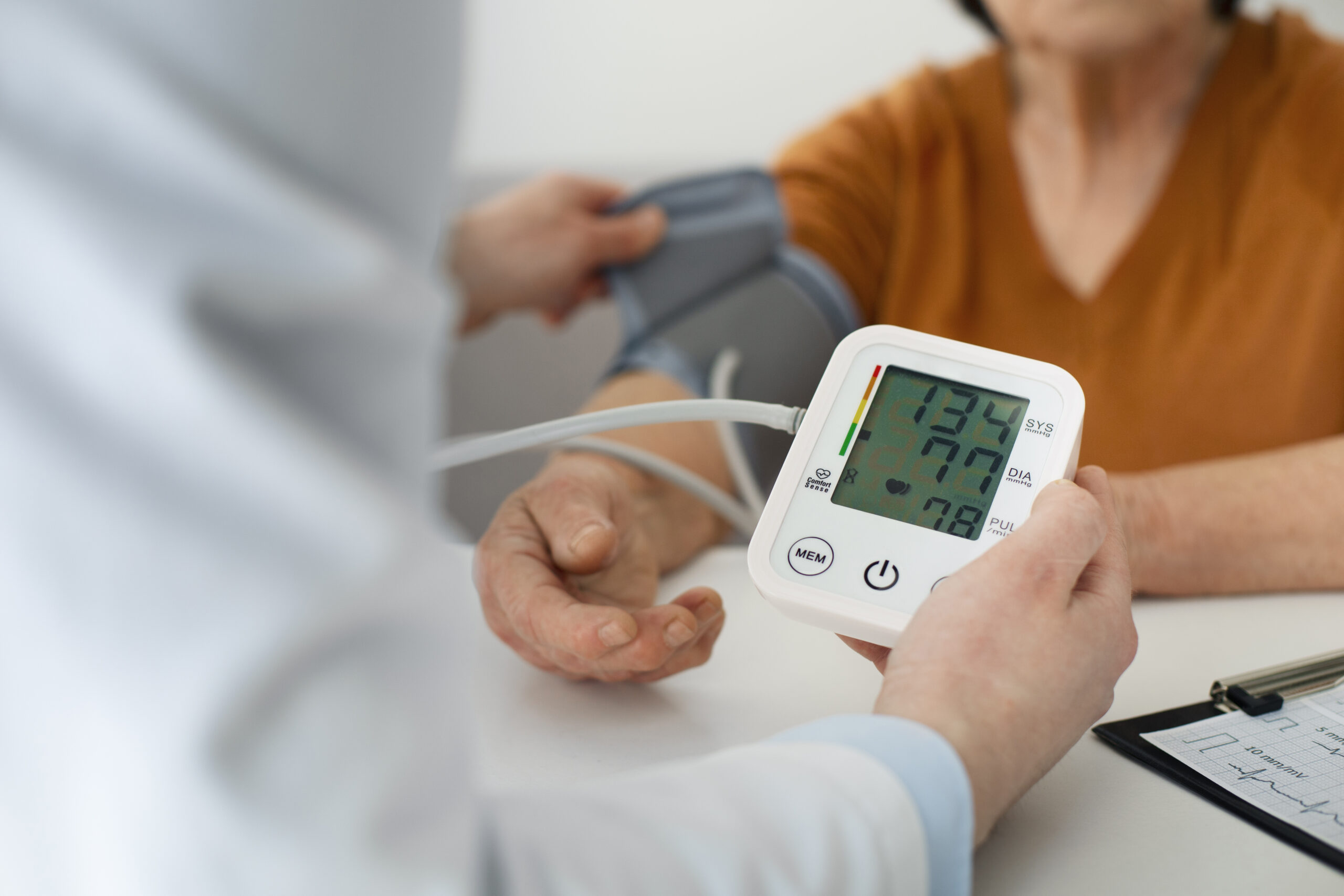
High blood pressure is often thought of as a condition that develops gradually with age, stress, or an unhealthy lifestyle. While this is true for many people, there is another form of high blood pressure that deserves closer attention. Known as secondary hypertension, it is caused by an underlying medical condition or certain medications. Identifying and treating the root cause can often lead to better blood pressure control and, in some cases, even reverse the problem.
In my clinical practice, I occasionally meet patients who have been taking multiple blood pressure medications with little improvement. A closer evaluation sometimes reveals that an undiagnosed medical condition is driving their hypertension. Recognising these hidden causes early can prevent serious complications and improve long-term health.
What Is Secondary Hypertension?
Secondary hypertension refers to high blood pressure that develops because of another identifiable medical condition. Unlike primary hypertension, which usually develops over many years without a single clear cause, secondary hypertension has a specific trigger.
Although it accounts for a smaller proportion of hypertension cases, it is more likely to affect younger adults, people whose blood pressure suddenly becomes difficult to control, or those whose readings remain high despite taking several medications.
Common Causes of Secondary Hypertension
Several health conditions can lead to secondary hypertension.
Kidney Disorders
Healthy kidneys help regulate blood pressure by controlling fluid and salt balance. Conditions such as chronic kidney disease or narrowing of the kidney arteries can cause persistent high blood pressure.
Hormonal Disorders
Certain hormone-producing glands can become overactive, leading to elevated blood pressure. Examples include:
- Overactive adrenal glands
- Excess thyroid hormone
- Increased production of aldosterone, a hormone that causes the body to retain salt and water
Obstructive Sleep Apnoea
People who snore loudly, stop breathing during sleep, or wake feeling tired despite a full night’s rest may have obstructive sleep apnoea. Repeated drops in oxygen levels during sleep can contribute to persistent hypertension.
Medications
Some commonly used medications may increase blood pressure, including:
- Certain painkillers
- Oral contraceptive pills
- Steroids
- Decongestants
- Some herbal supplements
Always discuss your medications with your doctor before making any changes.
Who Is More Likely to Have Secondary Hypertension?
You may require further evaluation if you have:
- High blood pressure before the age of 30 without a family history
- Blood pressure that remains high despite three or more medications
- A sudden rise in previously stable blood pressure
- Kidney disease
- Symptoms suggesting a hormonal disorder
- Sleep apnoea symptoms
These situations do not always indicate secondary hypertension, but they warrant a more detailed assessment.
Symptoms to Watch For
Secondary hypertension itself often causes no symptoms. However, the underlying condition may produce signs such as:
- Persistent headaches
- Palpitations
- Excessive sweating
- Muscle weakness
- Unexplained weight changes
- Loud snoring and daytime sleepiness
- Swelling of the legs
- Blood in the urine
Many patients are surprised to learn that they feel perfectly well despite having significantly elevated blood pressure. This is why regular health screening remains so important.
How Is It Diagnosed?
Diagnosing secondary hypertension involves looking beyond the blood pressure reading.
Your doctor may recommend:
- A detailed medical history and medication review
- Physical examination
- Blood and urine tests
- Kidney function assessment
- Hormone testing where appropriate
- Ultrasound or specialised imaging
- Sleep studies if sleep apnoea is suspected
The goal is to identify any underlying condition that may be contributing to your hypertension.
Treatment Options
Treatment focuses on both controlling blood pressure and addressing the underlying cause.
Depending on the diagnosis, management may include:
- Medication adjustments
- Treatment of kidney disease
- Hormonal therapy or surgery for certain endocrine disorders
- Continuous Positive Airway Pressure (CPAP) therapy for sleep apnoea
- Lifestyle modifications alongside blood pressure medication
When the underlying cause is treated effectively, blood pressure often becomes much easier to manage.
Lifestyle Measures That Support Better Blood Pressure
Regardless of the cause, healthy habits remain essential.
Simple steps include:
- Reducing salt intake, especially from processed foods and hawker meals
- Maintaining a healthy weight
- Exercising regularly
- Limiting alcohol
- Avoiding smoking
- Managing stress
- Sleeping 7 to 8 hours each night
- Attending regular health screenings
For many working adults in Singapore, small but consistent changes fit more easily into busy schedules than drastic lifestyle overhauls.
Common Myths
Myth: High blood pressure is always caused by stress.
Fact: Stress may contribute, but medical conditions can also be responsible.
Myth: Medication alone is enough.
Fact: Identifying the underlying cause is equally important in secondary hypertension.
Myth: Young adults do not develop hypertension.
Fact: Younger patients with unexplained hypertension should be assessed carefully for secondary causes.
When Should You See a Doctor?
Arrange a medical review if:
- Your blood pressure remains uncontrolled despite treatment.
- You develop hypertension at a young age.
- Your blood pressure rises suddenly.
- You experience symptoms such as persistent headaches, palpitations or unexplained fatigue.
- You have a family history of kidney or hormonal disorders.
Consulting a hypertension specialist in Singapore can help determine whether further investigations are needed and ensure you receive the most appropriate treatment.
Key Takeaways
- Secondary hypertension is caused by an underlying medical condition or medication.
- Kidney disease, hormonal disorders and sleep apnoea are among the most common causes.
- Identifying the underlying cause can significantly improve blood pressure control.
- Regular health screening helps detect hidden conditions before complications develop.
- Early assessment by a hypertension specialist in Singapore is recommended if your blood pressure is difficult to control or develops unexpectedly.
If appropriate, your doctor may also recommend internal medicine consultation, health screening, diabetes management, cholesterol management, or a comprehensive hypertension management programme to assess your overall cardiovascular health.
Frequently Asked Questions
1. Is secondary hypertension common?
No. Most people have primary hypertension. However, secondary hypertension should be considered when blood pressure develops suddenly, is difficult to control, or occurs at a younger age.
2. Can secondary hypertension be cured?
In some cases, yes. If the underlying cause is successfully treated, blood pressure may improve significantly or even return to normal.
3. Is kidney disease always responsible?
No. While kidney disease is a common cause, hormonal disorders, sleep apnoea and certain medications can also lead to secondary hypertension.
4. Can stress alone cause secondary hypertension?
No. Stress may temporarily increase blood pressure, but secondary hypertension results from an identifiable medical condition or medication.
5. Does everyone with high blood pressure need special tests?
Not necessarily. Investigations are recommended when there are signs suggesting an underlying cause or when blood pressure behaves unusually.
6. Can sleep problems affect blood pressure?
Yes. Obstructive sleep apnoea is a recognised cause of secondary hypertension and often improves with appropriate treatment.
7. Should I stop medications that may increase blood pressure?
Never stop prescribed medication without medical advice. Your doctor can recommend safer alternatives if necessary.
8. How often should I check my blood pressure?
If you have hypertension, regular home monitoring and scheduled medical reviews help ensure your treatment remains effective.
9. Can healthy eating still help if I have secondary hypertension?
Absolutely. A balanced diet, regular exercise and maintaining a healthy weight support better blood pressure control regardless of the underlying cause.
10. When should I consult a hypertension specialist?
If your blood pressure remains high despite treatment, develops suddenly, or you have features suggesting an underlying condition, seeing a hypertension specialist in Singapore can help identify the cause and guide appropriate management.
Book a Consultation
If your blood pressure has become difficult to control or you are concerned there may be an underlying cause, a thorough medical assessment can provide clarity. At Kaizen Medical, Dr Adrian Mondry takes a comprehensive approach to diagnosing and managing hypertension, helping patients identify contributing factors and develop a personalised treatment plan that supports long-term cardiovascular health.