
Introduction: The Number You Should Not Ignore
Every May, World Hypertension Month reminds us of one of the most common yet underestimated medical conditions in Singapore.
According to Singapore’s National Population Health Survey 2024, approximately 1 in 3 residents between the ages of 18 and 74 has hypertension. Many remain undiagnosed because elevated blood pressure often causes no symptoms in its early stages.
As a hypertension specialist in Singapore, this is something I encounter frequently in clinical practice. Patients often attend a consultation for an unrelated issue and discover that their blood pressure has been persistently elevated for years.
The encouraging reality is that hypertension is highly treatable when detected early. The key is recognising risk factors, understanding Singapore guideline definitions correctly, and taking action before complications develop.
What Is Hypertension?
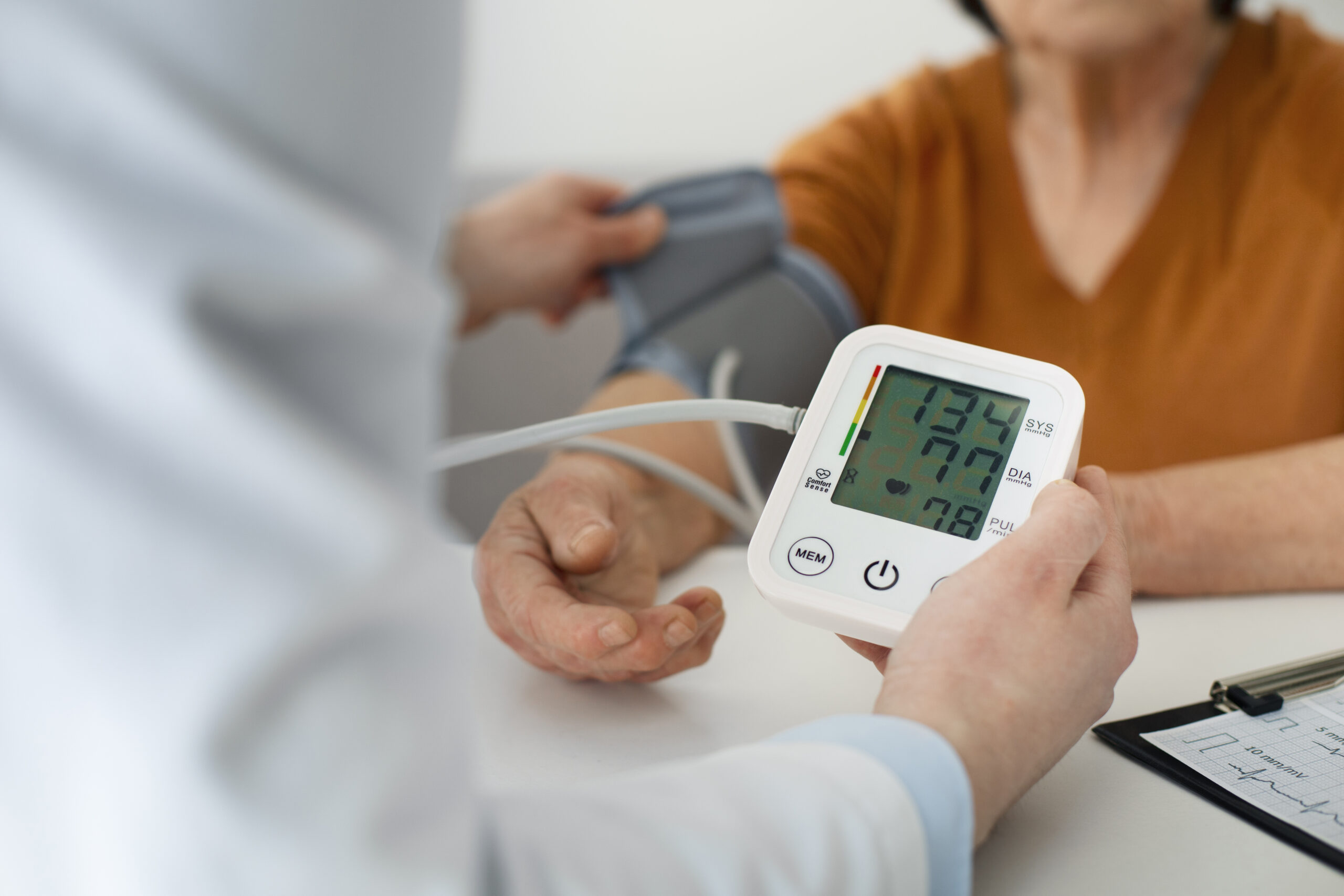
Blood pressure refers to the force exerted by circulating blood against the walls of the arteries. It is measured using two numbers:
- Systolic pressure: the pressure when the heart contracts
- Diastolic pressure: the pressure when the heart relaxes between beats
Blood pressure is measured in millimetres of mercury (mmHg).
Under Singapore clinical guidance:
- Normal blood pressure is generally below 130/85 mmHg
- High-normal blood pressure refers to readings of 130–139 systolic and/or 85–89 diastolic mmHg
- Grade 1 Hypertension refers to readings of 140–159 systolic and/or 90–99 diastolic mmHg
- Grade 2 Hypertension refers to readings of 160/100 mmHg or higher
Importantly, hypertension is diagnosed based on sustained elevated readings over time, not a single isolated reading.
Singapore guidelines recommend confirming persistently elevated clinic readings using either home blood pressure monitoring (HBPM) or ambulatory blood pressure monitoring (ABPM) where appropriate.
Why Is Hypertension So Common in Singapore?
Urban Stress and Long Working Hours
Singapore’s fast-paced professional culture contributes significantly to chronic stress. Persistent stress activates the sympathetic nervous system, increasing adrenaline levels and raising blood pressure over time.
Sedentary Lifestyles
Many Singapore residents spend long hours seated at desks, commuting, or working in front of screens. Physical inactivity remains a major contributor to elevated blood pressure.
High Dietary Sodium Intake
Singapore’s food culture is exceptional, but many commonly consumed hawker meals contain high sodium levels.
Foods such as:
- Laksa
- Bak chor mee
- Char kway teow
- Wonton noodle soup
- Processed and preserved foods
can contribute substantially to excessive daily sodium intake.
Ageing Population
Blood pressure tends to rise with age due to progressive stiffening of blood vessels. As Singapore’s population ages, hypertension prevalence continues to increase.
Family History and Ethnicity
Certain ethnic groups in Singapore carry higher cardiovascular and metabolic risk profiles. A family history of hypertension, stroke, diabetes, or heart disease also significantly increases lifetime risk.
Why Hypertension Is Called a Silent Condition
One of the most dangerous aspects of hypertension is that most patients feel completely well during the early stages.
There may be:
- No pain
- No dizziness
- No fatigue
- No warning symptoms
Meanwhile, elevated pressure gradually damages:
- Arteries
- Heart muscle
- Kidneys
- Brain
- Eyes
Uncontrolled hypertension significantly increases the risk of:
- Stroke
- Heart attack
- Heart failure
- Kidney disease
- Retinal damage
- Cognitive decline
This is why routine screening matters, even when you feel healthy.
How Is Hypertension Diagnosed?
Diagnosis should never rely on a single clinic reading alone.
A proper evaluation typically includes:
Clinic Blood Pressure Measurements
Repeated readings taken on separate occasions after adequate rest.
Home Blood Pressure Monitoring (HBPM)
Patients record readings twice daily over several days using a validated upper-arm monitor.
Ambulatory Blood Pressure Monitoring (ABPM)
A portable device measures blood pressure throughout a 24-hour period during normal daily activities and sleep.
ABPM helps identify:
- White-coat hypertension
- Masked hypertension
- Night-time hypertension
- Blood pressure variability
Additional investigations may include:
- Kidney function tests
- Lipid profile
- HbA1c and glucose testing
- ECG
- Urine protein testing
- Cardiovascular risk stratification
Treatment of Hypertension
Lifestyle Modification
Lifestyle measures remain the foundation of hypertension management.
Patients are generally advised to:
- Reduce sodium intake
- Exercise regularly
- Maintain a healthy body weight
- Limit alcohol intake
- Stop smoking
- Improve sleep quality
- Manage stress levels
Even modest weight loss and regular physical activity can produce meaningful reductions in blood pressure.
Medication
When lifestyle intervention alone is insufficient, antihypertensive medication may be necessary.
Singapore guidelines commonly recommend:
- ACE inhibitors
- Angiotensin receptor blockers (ARBs)
- Calcium channel blockers
- Thiazide or thiazide-like diuretics
Treatment decisions should always be individualised according to Singapore clinical guidelines and the patient’s cardiovascular risk profile.
Blood pressure targets vary depending on:
- Age
- Kidney function
- Diabetes status
- Cardiovascular risk
- Medication tolerance
For many patients, maintaining clinic blood pressure below 140/90 mmHg is appropriate.
When Should You See a Hypertension Specialist in Singapore?
Specialist review may be appropriate when:
- Blood pressure remains elevated despite medication
- Hypertension develops before age 40
- Kidney impairment is present
- Diabetes coexists with hypertension
- Blood pressure fluctuates significantly
- Secondary causes are suspected
- Cardiovascular risk assessment is needed
An Internal Medicine and Hypertension Specialist can provide a more comprehensive evaluation of underlying risk factors and organ involvement.
Monitoring Blood Pressure at Home
Home monitoring is an important part of long-term management.
Patients should:
- Use a validated upper-arm monitor
- Measure readings in the morning and evening
- Sit quietly for several minutes beforehand
- Record all readings consistently
Home blood pressure readings averaging 135/85 mmHg or higher should prompt medical review.
Conclusion
Hypertension remains one of the leading preventable causes of cardiovascular disease in Singapore.
The most important step is simple: measure your blood pressure regularly.
Early detection allows intervention before complications such as stroke, kidney disease, or heart failure develop.
At Kaizen Medical, we take a comprehensive and individualised approach to hypertension care, focusing not only on blood pressure numbers, but on the patient’s overall cardiovascular health, lifestyle, and long-term risk profile.
FAQ
Q1: What blood pressure reading is considered hypertension in Singapore?
Under Singapore guidelines, hypertension is generally defined as a sustained clinic blood pressure reading of 140/90 mmHg or higher.
Q2: What is considered high-normal blood pressure?
High-normal blood pressure refers to readings between 130–139 systolic and/or 85–89 diastolic mmHg. These readings carry increased cardiovascular risk and should not be ignored.
Q3: Can hypertension exist without symptoms?
Yes. Most patients with hypertension experience no symptoms during the early stages, which is why regular screening is important.
Q4: How often should I check my blood pressure?
Adults should have regular blood pressure screening, especially after age 30 or earlier if risk factors such as obesity, diabetes, or family history are present.
Q5: What foods increase hypertension risk in Singapore?
High-sodium foods such as laksa, bak chor mee, processed foods, instant noodles, and soy sauce-heavy dishes may contribute to elevated blood pressure over time.
Q6: What is ambulatory blood pressure monitoring (ABPM)?
ABPM involves wearing a portable monitor for 24 hours to assess blood pressure throughout daily activity and sleep. It helps confirm hypertension accurately.
Q7: Is home blood pressure monitoring useful?
Yes. Home blood pressure monitoring (HBPM) provides valuable information about blood pressure trends outside the clinic setting.
Q8: Can lifestyle changes reduce blood pressure?
Yes. Exercise, weight reduction, reduced sodium intake, smoking cessation, stress management, and limiting alcohol intake can significantly improve blood pressure.
Q9: When should I see a hypertension specialist in Singapore?
Specialist review may be appropriate if blood pressure remains elevated despite medication, develops at a young age, or coexists with kidney disease, diabetes, or cardiovascular risk factors.
Q10: Can hypertension be controlled long term?
Yes. With regular monitoring, lifestyle modification, and appropriate treatment, most patients can achieve good long-term blood pressure control.
Dr Adrian Mondry is an Internal Medicine and Hypertension Specialist practising at Kaizen Medical, Mount Elizabeth Novena Hospital Specialist Centre, Singapore. He holds the MD (HHU Düsseldorf), MRCP (London), and is one of a small number of Deutsche Hochdruckliga (DHL)-accredited Hypertensioligists in Singapore.
If you would like to book a consultation to have your blood pressure assessed and your cardiovascular risk reviewed, contact Kaizen Medical at +65 6012 9957 or visit kaizenmed.com.sg.