

Introduction: When Blood Pressure Management Becomes More Complex
For some patients, hypertension is relatively straightforward. Lifestyle modification and a single medication may be enough to achieve stable blood pressure control.
For others, blood pressure remains elevated despite multiple medications, careful monitoring, and regular follow-up.
This is where specialist-level assessment becomes important.
An Internal Medicine Specialist approaches hypertension as more than just a number on a blood pressure machine. Elevated blood pressure is often connected to other conditions involving the heart, kidneys, metabolism, sleep, blood vessels, and hormonal system.
A more comprehensive evaluation can help identify underlying causes, optimise treatment, and reduce long-term cardiovascular risk.
What Does an Internal Medicine Specialist Do?
Internal Medicine Specialists are trained to diagnose and manage complex adult medical conditions involving multiple organ systems.
This includes:
- Hypertension
- Diabetes
- Kidney disease
- High cholesterol
- Metabolic syndrome
- Cardiovascular risk disorders
- Complex chronic medical conditions
Because hypertension frequently coexists with several other medical problems, a whole-body approach is often clinically valuable.
Rather than treating elevated blood pressure in isolation, an Internal Medicine Specialist evaluates how different conditions interact and influence overall cardiovascular health.
How Is This Different From a GP?
General practitioners play a vital role in identifying and managing hypertension.
Many patients with uncomplicated hypertension can be managed very effectively in primary care.
However, specialist evaluation may become appropriate when:
- Blood pressure remains elevated despite treatment
- Multiple chronic diseases coexist
- Medication side effects occur
- Blood pressure fluctuates significantly
- Hypertension develops at a younger age
- Secondary causes are suspected
- Organ damage is present
An Internal Medicine Specialist can provide more detailed investigation and cardiovascular risk assessment when hypertension becomes more complex.
How Is This Different From a Cardiologist?
Cardiologists focus primarily on diseases of the heart and cardiovascular system, including:
- Coronary artery disease
- Arrhythmias
- Heart failure
- Structural heart disease
Internal Medicine Specialists evaluate hypertension more broadly across multiple organ systems.
This may include assessment of:
- Kidney function
- Hormonal disorders
- Metabolic disease
- Sleep disorders
- Arterial stiffness
- Overall cardiovascular risk
Both specialties are important, but the most appropriate referral depends on the patient’s overall clinical picture.
Why Some Cases of Hypertension Are More Difficult to Control
Secondary Hypertension
Most hypertension cases are classified as primary hypertension, meaning there is no single identifiable cause.
However, approximately 5–10% of patients have secondary hypertension, where elevated blood pressure is driven by an underlying medical condition.
Examples include:
- Primary aldosteronism
- Chronic kidney disease
- Renal artery stenosis
- Thyroid disorders
- Obstructive sleep apnoea
- Rare adrenal gland disorders
Secondary hypertension should be considered especially when:
- Hypertension develops before age 40
- Blood pressure is difficult to control
- Blood pressure rises suddenly
- Multiple medications are required
- Abnormal blood test results are present
Identifying an underlying cause may significantly improve blood pressure control.
The Challenge of Multiple Coexisting Conditions
Many patients in Singapore have overlapping medical conditions such as:
- Diabetes
- Obesity
- High cholesterol
- Kidney disease
- Sleep apnoea
- Cardiovascular disease
These conditions influence:
- Medication choice
- Blood pressure targets
- Cardiovascular risk
- Kidney protection strategies
- Long-term management plans
This is where a broader internal medicine perspective becomes especially valuable.
For example, patients with both diabetes and hypertension may benefit from medications that not only lower blood pressure, but also help protect kidney function.
What Does a Specialist Hypertension Assessment Include?
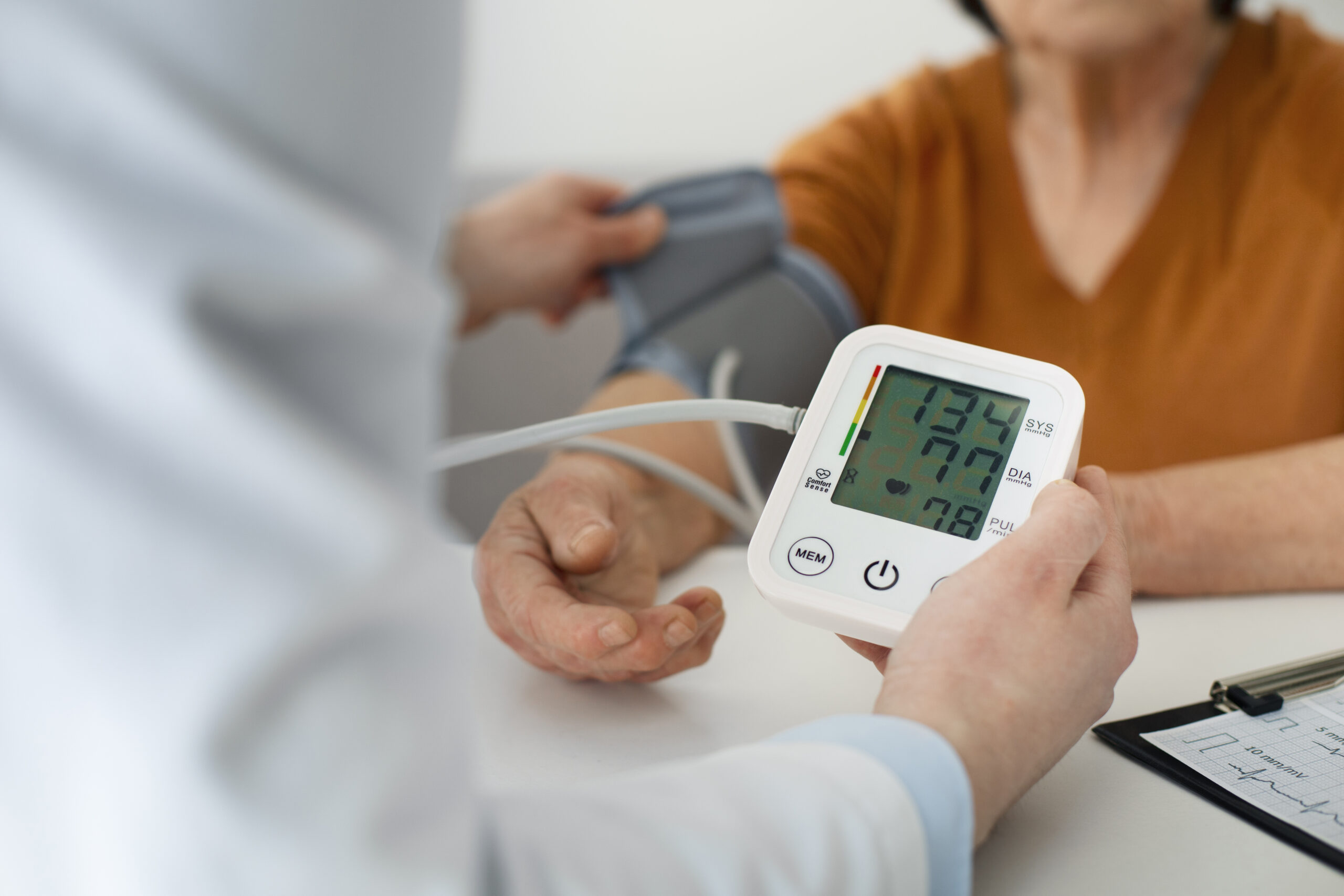
A detailed hypertension assessment usually goes beyond a routine clinic blood pressure check.
Clinic Blood Pressure Measurement
Repeated measurements are taken under appropriate resting conditions.
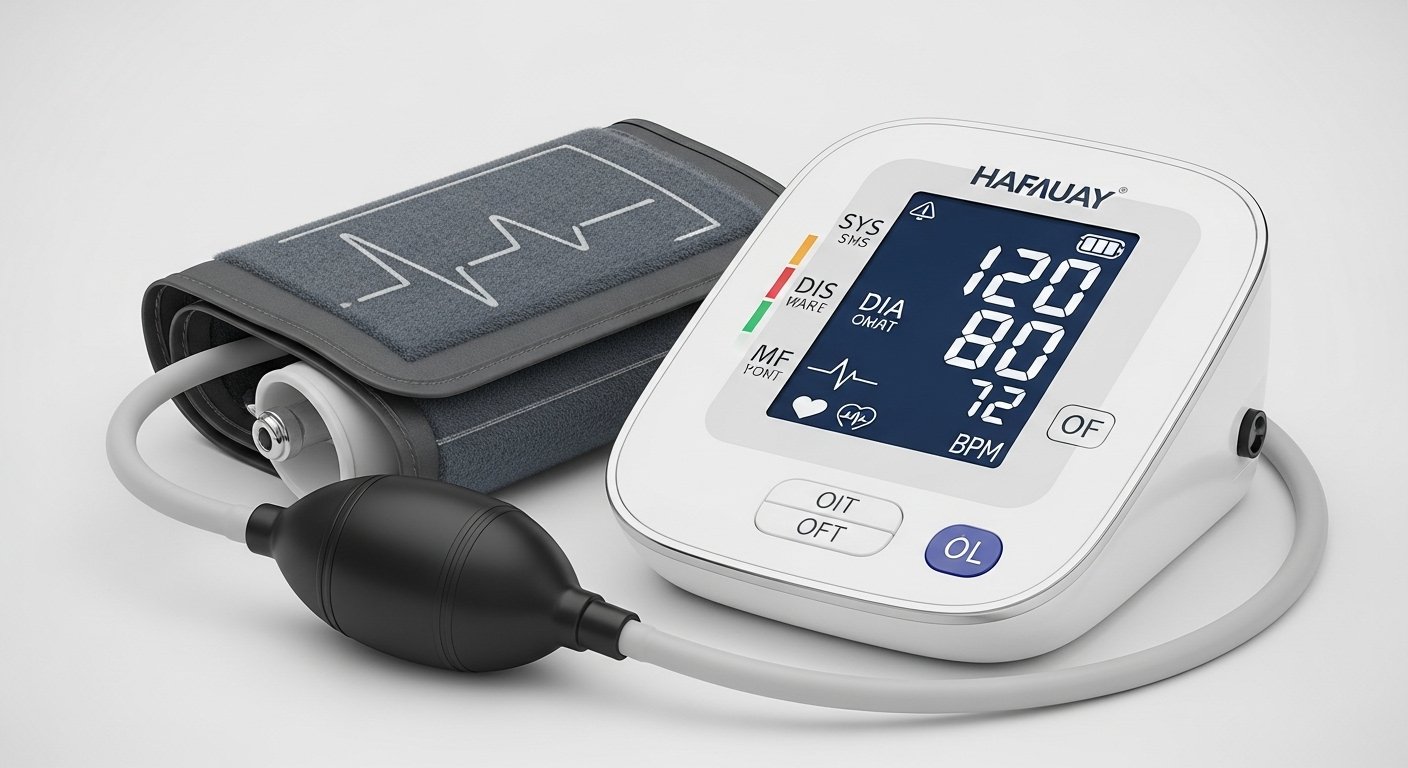
Home Blood Pressure Monitoring (HBPM)
Patients record readings at home over several days using a validated upper-arm monitor.
Ambulatory Blood Pressure Monitoring (ABPM)
ABPM involves wearing a portable monitor over 24 hours during normal daily activity and sleep.
This helps identify:
- White-coat hypertension
- Masked hypertension
- Night-time hypertension
- Blood pressure variability
ABPM remains the gold standard for confirming persistent hypertension.
Laboratory and Cardiovascular Evaluation
Depending on the patient’s risk profile, investigations may include:
- Kidney function tests
- Electrolyte testing
- Lipid profile
- HbA1c and glucose testing
- Urine protein assessment
- Thyroid function tests
- Aldosterone and renin testing
- Electrocardiogram (ECG)
- Cardiovascular risk stratification
In selected patients, pulse wave velocity analysis may also be used to assess arterial stiffness and long-term vascular risk.
Lifestyle Assessment Matters Too
Hypertension does not develop in isolation.
A proper specialist assessment also reviews:
- Dietary habits
- Sodium intake
- Sleep quality
- Alcohol intake
- Smoking history
- Stress levels
- Physical activity
- Weight trends
- Family history
Understanding these factors helps create a more personalised and sustainable management plan.
Medication Approaches in Singapore
Singapore clinical guidelines commonly recommend:
- ACE inhibitors
- Angiotensin receptor blockers (ARBs)
- Calcium channel blockers
- Thiazide or thiazide-like diuretics
Medication selection depends on several factors including:
- Age
- Kidney function
- Diabetes status
- Ethnicity
- Cardiovascular risk
- Existing organ involvement
- Drug tolerance
Treatment recommendations should always be individualised according to Singapore clinical guidelines and the patient’s cardiovascular risk profile.
For many patients, maintaining clinic blood pressure below 140/90 mmHg is appropriate.
What Is Resistant Hypertension?
Resistant hypertension refers to clinic blood pressure remaining above 140/90 mmHg despite appropriate use of three antihypertensive medications, including a diuretic.
This situation warrants specialist review because:
- Secondary causes may be present
- Medication combinations may require optimisation
- Lifestyle contributors may not yet be addressed fully
- Organ damage risk increases over time
Early specialist assessment may help prevent long-term complications.
When Should You See an Internal Medicine Specialist in Singapore?
Specialist review may be appropriate when:
- Hypertension develops before age 40
- Blood pressure remains uncontrolled
- Kidney disease coexists with hypertension
- Diabetes and hypertension coexist
- Multiple medications are required
- Significant blood pressure fluctuations occur
- Medication side effects develop
- Cardiovascular risk assessment is needed
- Secondary hypertension is suspected
Early assessment is often more effective than waiting until complications develop.
Why Early Specialist Assessment Can Matter
Many patients assume specialist care is only necessary once hypertension becomes severe.
In reality, earlier evaluation may help:
- Identify underlying causes sooner
- Optimise treatment earlier
- Prevent kidney and heart damage
- Reduce stroke risk
- Simplify medication regimens
- Improve long-term cardiovascular outcomes
Prevention and early intervention remain central principles of modern hypertension care.
Conclusion
Hypertension is not always a simple condition.
Many patients benefit from a more comprehensive assessment that evaluates not only blood pressure readings, but also cardiovascular risk, metabolic health, kidney function, sleep quality, and lifestyle factors.
At Kaizen Medical, we provide detailed hypertension evaluation and personalised management plans tailored to each patient’s long-term health goals and cardiovascular risk profile.
Early assessment, accurate diagnosis, and individualised treatment can significantly reduce the long-term complications associated with uncontrolled hypertension.
FAQ
Q1: What does an Internal Medicine Specialist treat?
Internal Medicine Specialists manage complex adult medical conditions including hypertension, diabetes, kidney disease, metabolic disorders, and cardiovascular risk conditions.
Q2: When should I see a specialist for hypertension?
Specialist assessment may be helpful if blood pressure remains uncontrolled, multiple medications are needed, or secondary causes are suspected.
Q3: What is resistant hypertension?
Resistant hypertension refers to blood pressure remaining above 140/90 mmHg despite appropriate treatment with three antihypertensive medications including a diuretic.
Q4: What is secondary hypertension?
Secondary hypertension occurs when elevated blood pressure is caused by an underlying medical condition such as kidney disease, hormonal disorders, or sleep apnoea.
Q5: Is hypertension linked to kidney disease?
Yes. Hypertension can both cause and worsen kidney disease, which is why kidney function assessment is important.
Q6: What tests might a specialist order for hypertension?
Investigations may include kidney function tests, ECG, lipid profile, HbA1c, urine protein testing, ABPM, and hormonal testing where appropriate.
Q7: What is the role of ABPM in hypertension management?
ABPM provides a 24-hour blood pressure profile and helps identify white-coat hypertension, masked hypertension, and night-time hypertension.
Q8: Can sleep apnoea affect blood pressure?
Yes. Obstructive sleep apnoea is a common contributor to difficult-to-control hypertension.
Q9: Do all patients with hypertension need specialist care?
No. Many patients can be managed effectively by their GP. Specialist care is generally useful for more complex or resistant cases.
Q10: Can specialist assessment improve long-term outcomes?
Yes. Early specialist evaluation may help identify underlying causes, optimise treatment, and reduce long-term cardiovascular complications.
Dr Adrian Mondry is an Internal Medicine and Hypertension Specialist at Kaizen Medical, Mount Elizabeth Novena Hospital Specialist Centre, Singapore. He holds an MD (HHU Düsseldorf), MRCP (London), and is the Deutsche Hochdruckliga (DHL)-accredited Hypertensiologist practising in Singapore.
To book a specialist consultation or cardiovascular risk assessment, contact Kaizen Medical at +65 6012 9957 or visit kaizenmed.com.sg.