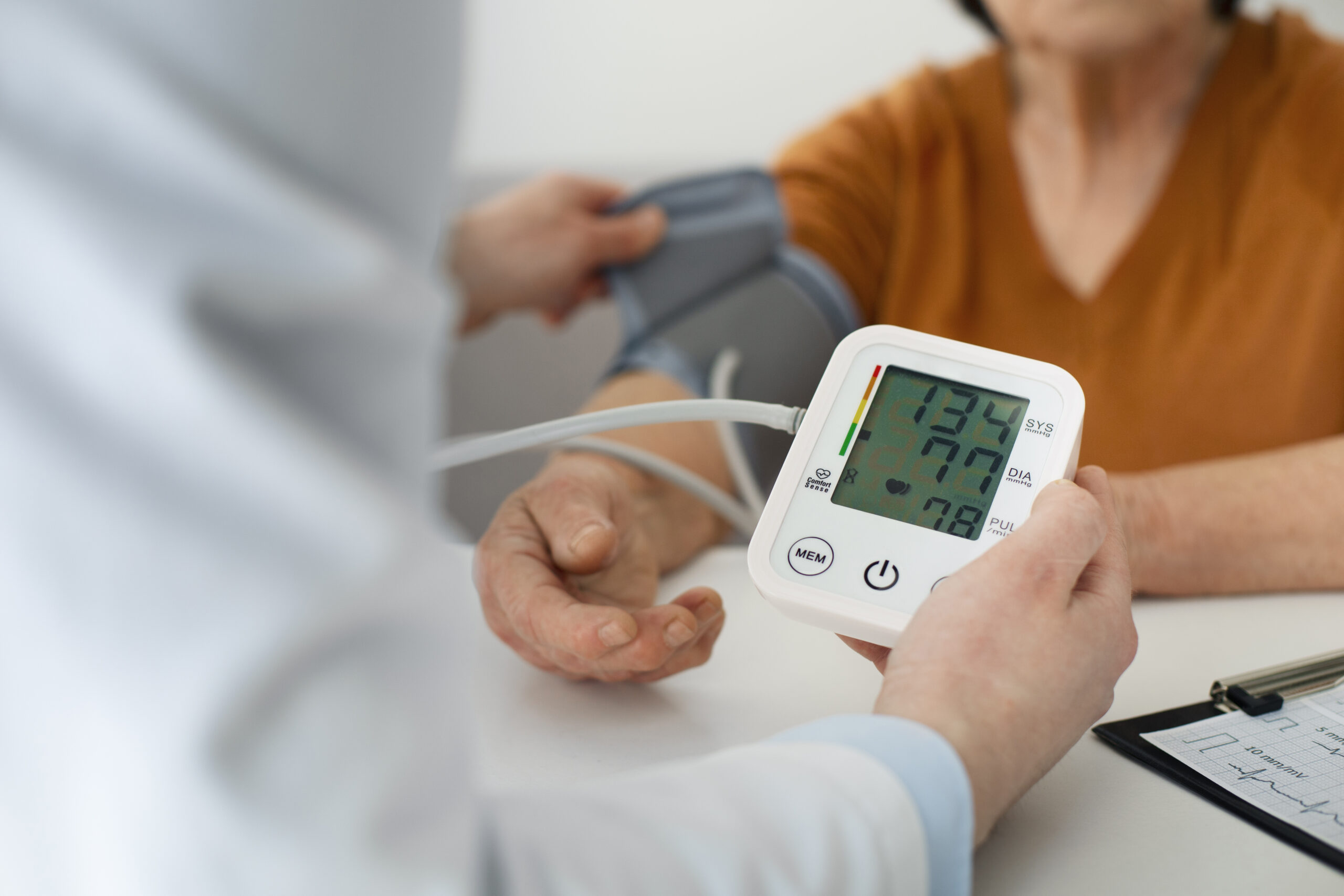


Most people are familiar with having their blood pressure checked, but fewer have heard of Pulse Wave Analysis (PWA). Yet this simple, non-invasive assessment can provide valuable information about the health of your arteries long before symptoms develop.
In my clinical practice, many patients are surprised to learn that two people with similar blood pressure readings may have very different levels of cardiovascular risk. Blood pressure is only one part of the picture. Pulse Wave Analysis helps us understand how healthy and flexible your arteries are, allowing for earlier detection of changes that may increase the risk of heart disease and stroke.
For individuals concerned about their cardiovascular health, Pulse Wave Analysis can be a useful addition to regular health assessments and blood pressure management.
What Is Pulse Wave Analysis?
Every time your heart beats, it sends a wave of blood through your arteries. Healthy arteries are flexible and absorb this wave efficiently. As we age or develop certain medical conditions, our arteries can become stiffer. This changes the way the pulse wave travels through the body.
Pulse Wave Analysis measures these subtle changes using a specialised device that records the pulse at your wrist or upper arm. The test is painless, takes only a few minutes and does not involve needles or radiation.
The information gathered provides insights that cannot be obtained from a routine blood pressure reading alone.
What Can Pulse Wave Analysis Reveal?
Pulse Wave Analysis evaluates several important aspects of cardiovascular health, including:
- Arterial stiffness
- Central blood pressure, which reflects the pressure closer to the heart
- The workload placed on the heart
- Early changes in blood vessel function
- Overall cardiovascular risk
These measurements help doctors identify patients who may benefit from earlier lifestyle changes or medical treatment, even if their routine blood pressure appears acceptable.
Why Does Arterial Stiffness Matter?
Healthy arteries expand and contract with every heartbeat. When arteries become stiff, the heart must work harder to pump blood throughout the body. Over time, this increases the strain on both the heart and blood vessels.
Arterial stiffness has been associated with a higher risk of:
- High blood pressure
- Heart attack
- Stroke
- Heart failure
- Kidney disease
One common misconception I often hear is that cardiovascular disease develops suddenly. In reality, damage to the arteries usually occurs gradually over many years before symptoms become noticeable.
Detecting these changes early creates an opportunity to reduce future health risks.
Who Should Consider Pulse Wave Analysis?
Although anyone interested in preventive healthcare may benefit from this assessment, it is particularly useful for people who:
- Have high blood pressure
- Have diabetes
- Have high cholesterol
- Smoke or previously smoked
- Have a family history of heart disease
- Are overweight
- Are aged over 40
- Lead a sedentary lifestyle
- Experience chronic stress
Singapore’s busy work culture often leaves little time for exercise or preparing balanced meals. Frequent dining at hawker centres or eating processed convenience foods can contribute to high sodium intake, increasing the risk of hypertension and cardiovascular disease.
Regular health screening helps identify these risks before complications develop.
Symptoms You Should Never Ignore
Early arterial changes usually cause no symptoms at all.
However, medical assessment should not be delayed if you experience:
- Persistent high blood pressure
- Chest discomfort
- Shortness of breath
- Frequent dizziness
- Unexplained fatigue
- Palpitations
- Reduced exercise tolerance
Many patients assume these symptoms are simply part of ageing or stress. While that may sometimes be true, they can also indicate underlying cardiovascular disease that requires prompt evaluation.
How Is Pulse Wave Analysis Used Alongside Other Tests?
Pulse Wave Analysis is not intended to replace standard investigations. Instead, it complements them.
Your doctor may combine it with:
- Blood pressure monitoring
- Blood tests for cholesterol and diabetes
- Electrocardiogram (ECG)
- Echocardiogram when appropriate
- Cardiovascular risk assessment
- Routine health screening
Looking at all these results together provides a more complete understanding of your cardiovascular health and allows treatment to be tailored to your individual needs.
As a hypertension specialist in Singapore, I often find that combining traditional assessments with newer technologies such as Pulse Wave Analysis improves discussions with patients about their long-term health risks.
Can Arterial Health Be Improved?
The encouraging news is that healthier arteries are often achievable through consistent lifestyle changes and appropriate medical treatment.
I encourage my patients to focus on practical habits rather than dramatic changes.
These include:
- Maintaining healthy blood pressure
- Eating a diet rich in vegetables, fruits and whole grains
- Reducing salt intake
- Choosing healthier options when eating at hawker centres
- Exercising for at least 150 minutes each week
- Maintaining a healthy body weight
- Quitting smoking
- Limiting alcohol consumption
- Managing stress
- Getting adequate sleep
For some individuals, medication may also be necessary to control blood pressure, cholesterol or diabetes. The decision depends on each person’s overall cardiovascular risk rather than a single test result.
Common Myths About Pulse Wave Analysis
Myth 1: Normal blood pressure means my arteries are healthy.
Not always. Some individuals have early arterial stiffening despite acceptable blood pressure readings.
Myth 2: Only older adults need this assessment.
Age increases cardiovascular risk, but younger adults with diabetes, obesity or a strong family history may also benefit.
Myth 3: Pulse Wave Analysis replaces regular health screening.
It should be viewed as an additional tool rather than a substitute for comprehensive medical evaluation.
When Should You Consult a Doctor?
Consider seeing a doctor if you:
- Have persistently elevated blood pressure
- Have multiple cardiovascular risk factors
- Have diabetes or high cholesterol
- Have a strong family history of heart disease
- Wish to assess your cardiovascular health proactively
- Are concerned about your long-term risk despite feeling well
A consultation with a hypertension specialist in Singapore can help determine whether Pulse Wave Analysis is appropriate for you and how the results should guide your care.
Key Takeaways
Pulse Wave Analysis offers valuable insights into arterial health that go beyond a standard blood pressure reading. By identifying early changes in blood vessel function, it supports more personalised cardiovascular risk assessment and preventive healthcare.
For many patients, the test serves as a useful reminder that heart disease often develops silently over many years. Identifying risks early gives you the opportunity to make meaningful lifestyle changes before complications occur.
If you are managing high blood pressure, diabetes, high cholesterol or simply wish to take a more proactive approach to your cardiovascular health, discussing Pulse Wave Analysis with a hypertension specialist in Singapore may be worthwhile.
You may also benefit from related services at Kaizen Medical, including hypertension management, internal medicine consultations, comprehensive health screening, diabetes management, cholesterol management and personalised preventive healthcare.
Frequently Asked Questions
1. Is Pulse Wave Analysis painful?
No. The test is completely non-invasive and painless. It usually takes only a few minutes and involves placing a sensor or cuff on your wrist or arm to measure your pulse wave.
2. Can Pulse Wave Analysis detect blocked arteries?
No. It does not diagnose blocked arteries directly, but it can identify arterial stiffness and other changes that may indicate an increased cardiovascular risk and the need for further evaluation.
3. How often should I have Pulse Wave Analysis?
The frequency depends on your age, medical history and cardiovascular risk factors. Your doctor can advise whether periodic monitoring would be beneficial.
4. Is Pulse Wave Analysis suitable for healthy adults?
Yes. It can be useful for people who want a more detailed assessment of their cardiovascular health, especially if they have risk factors or a family history of heart disease.
5. Can lifestyle changes improve Pulse Wave Analysis results?
Yes. Better blood pressure control, regular exercise, healthier eating habits, smoking cessation and weight management can all contribute to improved arterial health over time.
Book a Consultation
Your heart and blood vessels often give early warning signs long before symptoms appear. Pulse Wave Analysis provides another window into your cardiovascular health, helping identify risks that may otherwise go unnoticed.
If you have concerns about high blood pressure, a family history of heart disease or simply want a clearer understanding of your cardiovascular risk, schedule a consultation with Dr. Adrian Mondry at Kaizen Medical. Together, we can assess your overall heart health and develop a personalised plan to help you stay healthier for years to come.