

Heart disease does not always announce itself.
A person can feel perfectly well, remain active and have no chest pain or breathlessness, yet already have important cardiovascular risk factors such as high blood pressure, high cholesterol or diabetes.
This is one of the reasons cardiovascular screening matters. It is not simply about looking for a heart problem after symptoms develop. It is about understanding your risk early enough to do something about it.
In Singapore, cardiovascular risk screening focuses on conditions that can remain silent for years. Healthier SG Screening, for example, includes screening for high blood pressure, high blood cholesterol, diabetes and obesity because these factors can increase the risk of heart attack, stroke and other complications.
As an internal medicine specialist, I often find that patients are surprised by what a relatively simple assessment can reveal. A blood pressure reading, blood test and review of your medical and family history can provide important information about your future cardiovascular health.
Why can heart disease develop without symptoms?
Many cardiovascular risk factors develop gradually.
High blood pressure is a good example. It often causes no noticeable symptoms, even when it has been elevated for a considerable period. Over time, uncontrolled hypertension can place additional stress on the heart and blood vessels and increase the risk of heart disease, stroke and kidney problems.
High cholesterol can also be silent. Persistently elevated cholesterol can contribute to the build-up of fatty plaque in the arteries, potentially narrowing the blood vessels supplying the heart.
Diabetes and obesity are other important risk factors.
This means that waiting until you feel something is wrong is not always the best approach to protecting your heart.
What does cardiovascular screening actually look for?
Cardiovascular screening is not necessarily one single test. It is usually an assessment of several factors that work together to determine your overall cardiovascular risk.
Depending on your age, medical history and risk profile, your doctor may assess:
1. Blood pressure
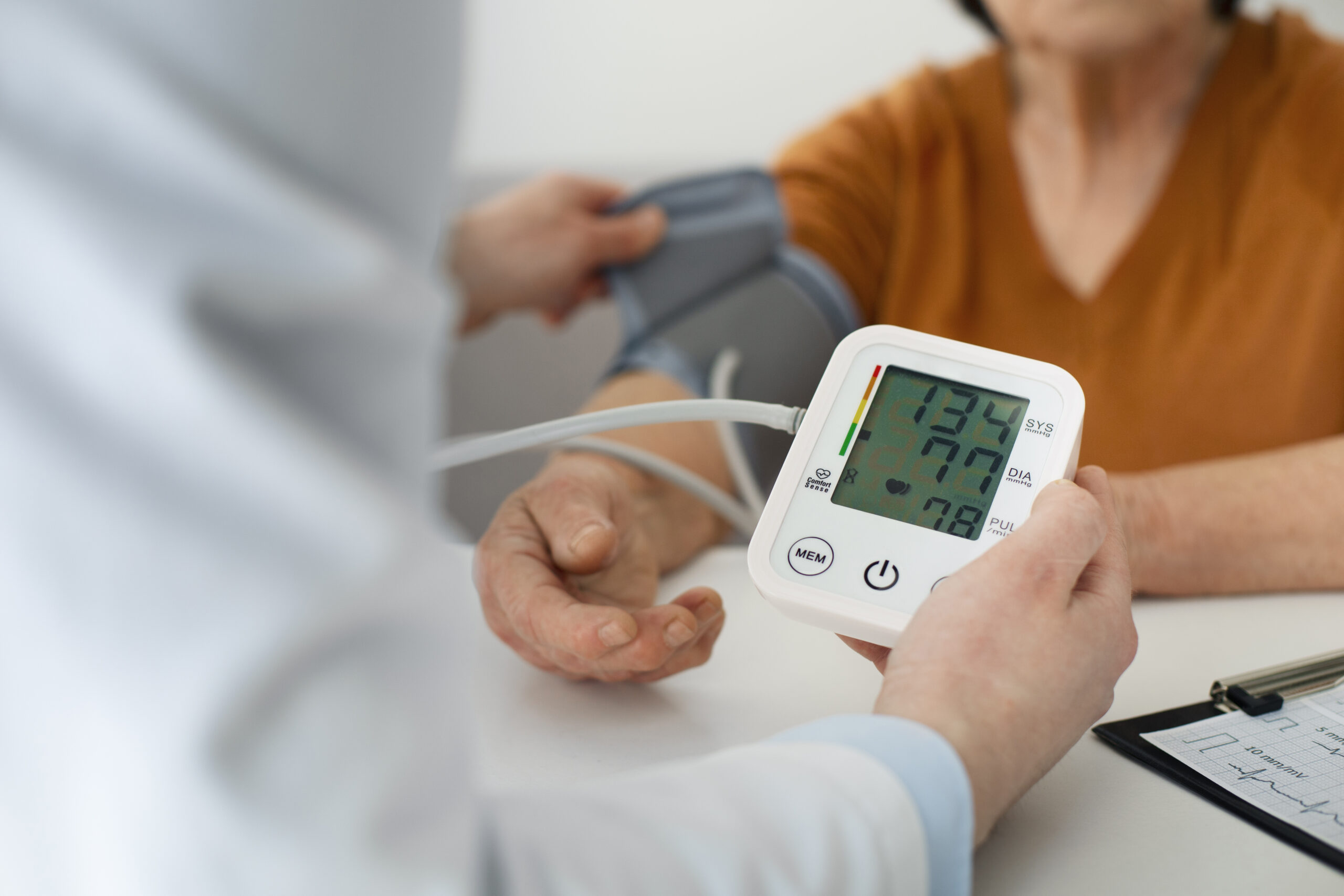
Blood pressure is one of the most important cardiovascular measurements.
A single elevated reading does not necessarily mean that someone has hypertension. Your doctor may need repeated measurements, home blood pressure readings or other assessments to understand your usual blood pressure.
This is particularly important because hypertension can exist without obvious symptoms.
2. Cholesterol
A lipid profile can provide information about different types of cholesterol and other blood lipids.
Your cholesterol result should not always be considered in isolation. Your age, blood pressure, smoking status, diabetes, family history and other factors can influence your overall cardiovascular risk.
Singapore’s cardiovascular risk assessment approach uses these factors when estimating an individual’s risk. Current Singapore guidance references the Singapore-modified Framingham Risk Score, or SG-FRS-2023, for appropriate patients without established high-risk conditions.
Of note, the score’s basic setting assumes that there is no atherosclerosis present. If you are aware of longstanding high cholesterol values, or have family members with early heart attack or stroke, it is highly recommended to undergo the necessary imaging procedures to find out if atherosclerosis is already present, as that would dramatically change the target value for cholesterol.
3. Blood sugar and diabetes risk
Diabetes is another major cardiovascular risk factor.
Depending on the circumstances, screening may involve blood glucose and/or HbA1c testing. Detecting abnormal blood sugar early gives patients an opportunity to address lifestyle factors and, when appropriate, receive medical management.
4. Weight and waist circumference
Body weight, BMI and waist circumference can provide useful information about metabolic and cardiovascular risk.
They are not perfect measures on their own, but they can help identify patterns associated with conditions such as obesity, diabetes and high blood pressure.
5. Smoking and lifestyle factors
A proper cardiovascular assessment should also look beyond laboratory results.
Your doctor may ask about:
- Smoking
- Physical activity
- Diet
- Alcohol consumption
- Sleep
- Stress
- Family history of cardiovascular disease
- Existing medical conditions
These factors help put individual test results into context.
How does screening estimate your future heart disease risk?
One of the most useful aspects of cardiovascular screening is that it can move the conversation beyond individual numbers.
For example, you may have mildly elevated cholesterol but otherwise appear healthy. Another person may have a similar cholesterol result but also have hypertension, diabetes and a strong family history of cardiovascular disease.
Their overall cardiovascular risk may be very different.
This is why doctors may use a cardiovascular risk calculator alongside clinical assessment. Singapore’s current primary-care cardiovascular risk assessment framework uses the SG-FRS-2023 model for suitable individuals to estimate 10-year coronary artery disease risk.
Risk assessment is not a prediction of exactly what will happen to you. It is a tool to help you and your doctor decide which risk factors deserve attention.
Does everyone need an ECG or heart scan?
Not necessarily.
This is an important point because modern health screening can include many tests, but more testing does not automatically mean better screening.
An ECG records the electrical activity of the heart and can be useful in appropriate circumstances. Other investigations, such as an echocardiogram, exercise testing or CT-based coronary calcium assessment, may be considered depending on an individual’s risk profile and clinical situation.
For asymptomatic adults, advanced tests are generally considered selectively rather than automatically for everyone. European prevention guidance, for example, discusses coronary calcium scoring, CT coronary angiogram and other investigations as potential tools for cardiovascular risk assessment in selected moderate-risk individuals.
The most appropriate test depends on the question your doctor is trying to answer.
A good cardiovascular screening programme should therefore start with a clinical assessment rather than simply ordering every available test.
Who should consider cardiovascular screening in Singapore?
The appropriate timing depends on your age and individual risk factors.
Men and women aged 40 and above without a previous diagnosis of high blood pressure, diabetes or high cholesterol, and who have not been screened within the previous three years, should go for access cardiovascular risk screening.
However, you should not assume that being younger means cardiovascular screening is unnecessary.
Earlier assessment may be appropriate if you have factors such as:
- A strong family history of premature heart disease
- High blood pressure
- High cholesterol
- Diabetes or prediabetes
- Smoking
- Obesity
- Kidney disease
- A sedentary lifestyle
- Previous abnormal cardiovascular test results
Your doctor can help determine what screening is appropriate rather than relying solely on age.
Why screening is particularly useful for busy professionals
Many working adults have demanding schedules. Health can easily become something that gets postponed because there are no obvious symptoms.
That is precisely where preventive screening can be valuable.
A cardiovascular assessment can provide a baseline and identify issues that may otherwise go unnoticed. If your blood pressure, cholesterol or blood sugar is abnormal, you can address the problem before it contributes to more significant cardiovascular disease.
Singapore’s Ministry of Health has emphasised the importance of screening and follow-up for cardiovascular risk factors. MOH has also reported that a substantial proportion of residents with hypertension or high cholesterol had not previously been diagnosed, highlighting why silent risk factors can be missed.
What happens after an abnormal screening result?
An abnormal screening result does not automatically mean that you have heart disease.
For example, one high blood pressure reading may need to be confirmed with further measurements. Similarly, an abnormal cholesterol result needs to be interpreted in the context of your overall cardiovascular risk.
The next step may involve:
- Confirming the abnormal result
- Reviewing your medical and family history
- Assessing your overall cardiovascular risk
- Identifying lifestyle factors that can be changed
- Deciding whether further investigation is appropriate
- Discussing whether medical treatment is required
The important thing is not simply finding an abnormal number. It is understanding what that number means for you.
When should you see an internal medicine or hypertension specialist?
A primary-care doctor can manage many cardiovascular risk factors effectively. However, specialist assessment may be appropriate when blood pressure is difficult to control, cardiovascular risk is unusually high, there are multiple interacting medical conditions, or the diagnosis is uncertain.
For someone looking for a hypertension specialist Singapore patients can consult, the important consideration is not simply the title of the doctor. It is whether the doctor takes a comprehensive approach to blood pressure, cardiovascular risk and other medical conditions that may influence one another.
This is particularly relevant when hypertension occurs alongside diabetes, kidney disease, high cholesterol or other cardiovascular risk factors.
Screening is about prevention, not prediction
No screening programme can guarantee that a person will never develop heart disease.
What cardiovascular screening can do is identify important risk factors while there is still an opportunity to address them.
That may mean recognising hypertension that has produced no symptoms, identifying elevated cholesterol, detecting abnormal blood sugar or recognising that several moderate risk factors together create a higher overall risk.
For patients in Singapore, the best approach is usually a proportionate one: start with evidence-based risk assessment, understand your results and use additional tests when there is a clear clinical reason for them.
Your heart does not have to wait for symptoms before it deserves attention.
Medical disclaimer: This article provides general health information and is not a substitute for an individual medical assessment. Screening recommendations vary according to age, medical history and cardiovascular risk. If you develop symptoms such as severe or persistent chest pain, significant difficulty breathing, fainting or other potentially serious symptoms, seek urgent medical attention.
10 FAQs
1. Can heart disease exist without symptoms?
Yes. Some cardiovascular conditions and risk factors can remain silent for years. High blood pressure, high cholesterol and diabetes may not cause noticeable symptoms in their early stages.
2. At what age should I start cardiovascular screening in Singapore?
For eligible Singapore Citizens, Healthier SG Screening offers cardiovascular risk screening from age 40. However, people with significant risk factors may benefit from assessment earlier.
3. What tests are included in cardiovascular screening?
Common screening assessments include blood pressure, cholesterol, blood glucose or diabetes testing, and measurements such as BMI and waist circumference. Additional cardiac tests may be appropriate depending on individual risk.
4. Do I need an ECG if I have no symptoms?
Not everyone without symptoms needs an ECG. The usefulness of an ECG depends on your individual history, risk factors and the clinical question your doctor is trying to answer.
5. Can high blood pressure be detected before symptoms appear?
Yes. Blood pressure measurement can identify hypertension even when a person feels completely well. This is one reason regular blood pressure checks are important.
6. Is a cholesterol test enough to determine my heart disease risk?
No. Cholesterol is only one part of cardiovascular risk. Age, blood pressure, smoking, diabetes, family history and other factors also influence overall risk. Singapore’s cardiovascular risk assessment framework takes multiple factors into account.
7. Should I have a CT coronary angiography scan as part of my health screening?
Not necessarily. Coronary calcium scoring can be useful in selected individuals, particularly when cardiovascular risk is uncertain. It is not automatically required for everyone.
8. How often should I have cardiovascular risk screening?
The appropriate interval depends on your age, existing conditions and risk profile. Under Healthier SG Screening, eligible individuals are generally recommended to undergo cardiovascular risk screening once every three years. Higher-risk individuals may require more frequent monitoring.
9. What should I do if my screening results are abnormal?
Do not panic based on a single result. Discuss the findings with your doctor, who can confirm the result, assess your overall cardiovascular risk and determine whether lifestyle changes, monitoring or further medical assessment is appropriate.
10. When should I see a hypertension specialist in Singapore?
Consider specialist assessment if your blood pressure remains difficult to control, you have several cardiovascular risk factors, there is concern about an underlying cause, or your overall medical situation is complex. A specialist can assess blood pressure together with your broader cardiovascular and general health.