

Metabolic syndrome is not a single disease. It is a combination of health problems that tend to occur together, including excess abdominal fat, high blood pressure, abnormal cholesterol or triglyceride levels, and elevated blood sugar.
The concern is not just having one of these problems. When several occur together, they can significantly increase the risk of serious conditions such as heart disease, stroke and type 2 diabetes.
For patients in Singapore, this is particularly relevant because hypertension, hyperlipidaemia, diabetes and obesity remain important public health concerns. According to Singapore’s Ministry of Health, about one in three residents had hypertension and/or hyperlipidaemia in 2023–2024, while the prevalence of obesity has also increased.
As an internal medicine specialist, I often emphasise that metabolic health is about more than a person’s weight. Blood pressure, blood sugar, cholesterol, waist circumference and overall cardiovascular risk all need to be considered together.
What exactly is metabolic syndrome?
Metabolic syndrome describes a cluster of metabolic risk factors that occur in the same person.
The commonly recognised components are:
- Increased waist circumference or abdominal obesity
- Elevated blood pressure
- Raised fasting blood glucose
- High triglycerides
- Low HDL, sometimes called good cholesterol
Different medical organisations use slightly different diagnostic criteria. In general, metabolic syndrome is diagnosed when several of these risk factors are present together. [1,3]
For Asian populations, waist circumference is particularly important. The International Diabetes Federation uses a waist circumference of 90 cm or more for South Asian men and 80 cm or more for South Asian women as the ethnic-specific threshold for central obesity. [3]
This matters because Asian populations can develop metabolic complications at lower levels of BMI than some Western populations.
You can look healthy and still have metabolic risk
One common misconception is that metabolic syndrome only affects people who are visibly overweight.
That is not necessarily true.
A person can have a relatively normal BMI but carry a higher proportion of visceral fat, which is fat stored around internal organs. Waist circumference can therefore provide useful information that body weight alone may miss. Singapore’s HealthHub specifically highlights abdominal fat as an important marker of metabolic risk. [4]
This is one reason routine health screening can be valuable even when you feel perfectly well.
5 Health Risks of Metabolic Syndrome You Shouldn’t Ignore
1. Heart disease and heart attack
Perhaps the most important concern with metabolic syndrome is its relationship with cardiovascular disease.
High blood pressure can place additional strain on the heart and damage blood vessels over time. Abnormal cholesterol and triglyceride levels can contribute to the development of atherosclerosis, where fatty deposits build up within the arteries.
When these factors occur alongside abdominal obesity and abnormal blood glucose, the overall cardiovascular risk becomes more concerning. [1,5]
This is particularly important in Singapore, where cardiovascular disease remains a major cause of death. The Ministry of Health reported that cardiovascular disease accounted for about one-third of all deaths in Singapore in 2024. [6]
The good news is that many of the risk factors associated with metabolic syndrome are modifiable.
Improving blood pressure, cholesterol, blood sugar, physical activity, diet and weight where appropriate can help reduce overall cardiovascular risk.
2. Type 2 diabetes
Metabolic syndrome and insulin resistance are closely connected.
Insulin is a hormone that helps move glucose from the bloodstream into cells, where it can be used for energy. With insulin resistance, the body’s cells respond less effectively to insulin.
The pancreas may initially compensate by producing more insulin. Over time, however, blood glucose levels can rise.
This can eventually progress to type 2 diabetes.
Having several metabolic risk factors therefore provides an important opportunity to identify people who may be at increased risk before diabetes develops.
Singapore’s Healthier SG screening programme includes cardiovascular risk screening that assesses obesity, blood pressure, blood cholesterol and diabetes. [7]
If you have risk factors such as increased waist circumference, high blood pressure, abnormal cholesterol or a family history of diabetes, it may be worth discussing appropriate screening with your doctor.
3. Stroke
Metabolic syndrome can also increase the risk of stroke because several of its components are established cardiovascular risk factors.
High blood pressure is particularly important. Persistently elevated blood pressure can damage blood vessels supplying the brain and contribute to both ischaemic and haemorrhagic stroke.
Diabetes, abnormal cholesterol levels and obesity can further contribute to vascular disease.
The risk is therefore not simply about one blood pressure reading or one abnormal blood test. It is about the cumulative effect of several risk factors over time.
This is why managing metabolic health early can be more valuable than waiting until cardiovascular disease has already developed.
If someone suddenly develops facial weakness, weakness or numbness on one side of the body, difficulty speaking, confusion or other sudden neurological symptoms, emergency medical attention should be sought immediately.
4. Kidney disease
The kidneys are another organ system that can be affected by long-term metabolic problems.
High blood pressure and diabetes are major causes of chronic kidney disease. Metabolic syndrome can bring several kidney risk factors together, including elevated blood pressure, abnormal glucose metabolism and obesity.
Research has also found an association between metabolic syndrome and an increased risk of kidney dysfunction. A large meta-analysis involving more than six million participants found that metabolic syndrome was associated with increased risks of chronic kidney disease, albuminuria or proteinuria, and rapid decline in kidney function. [8]
Kidney disease can be difficult to recognise in its early stages because symptoms may be absent.
This is why blood tests and urine tests may form part of medical monitoring when a person has significant metabolic or cardiovascular risk factors.
If you have hypertension, diabetes or several metabolic risk factors, ask your doctor whether kidney function and urine protein should be assessed as part of your ongoing care.
5. Fatty liver and metabolic liver disease
The liver is closely connected to metabolic health.
Excess visceral fat, insulin resistance, abnormal blood lipids and obesity can be associated with the accumulation of fat in the liver.
The terminology around fatty liver disease has evolved. Many specialists now use the term metabolic dysfunction-associated steatotic liver disease (MASLD) for people with fatty liver associated with metabolic dysfunction.
Fatty liver should not automatically be dismissed as a harmless finding.
Some people develop inflammation and liver fibrosis, and more advanced liver disease can occur in a proportion of patients.
Metabolic liver disease is also closely connected with cardiovascular health. Recent evidence suggests that MASLD is associated with increased cardiovascular risk, with risk influenced by the severity of liver disease and the person’s overall metabolic burden. [9]
This is another reason why treating metabolic risk factors as a group can be more useful than looking at each abnormal result in isolation.
What causes metabolic syndrome?
There is no single cause.
Metabolic syndrome usually develops through a combination of genetic, lifestyle and environmental factors.
Factors that can increase risk include:
- Excess abdominal fat
- Physical inactivity
- Insulin resistance
- Unhealthy dietary patterns
- Increasing age
- Family history
- Smoking
- Poor sleep and certain sleep disorders
- Some underlying medical conditions
However, having a family history does not mean that metabolic syndrome is inevitable.
Lifestyle and appropriate medical management can make a meaningful difference.
Singapore’s latest health survey highlights obesity, insufficient physical activity and dietary factors as ongoing areas of concern. [2]
How is metabolic syndrome diagnosed?
There is no single test for metabolic syndrome.
Your doctor may assess several measurements, including:
Waist circumference
This provides an indication of abdominal or central obesity.
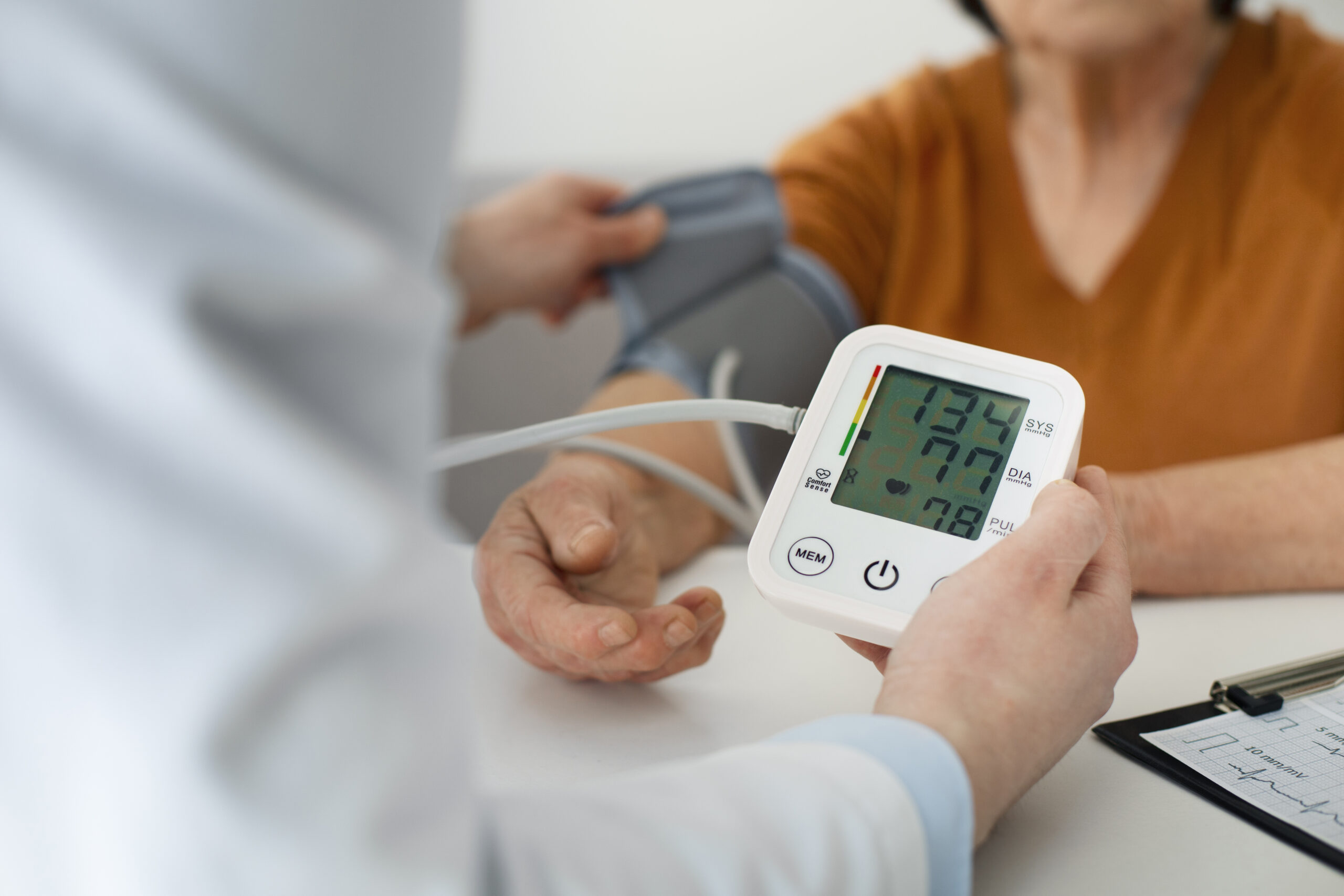
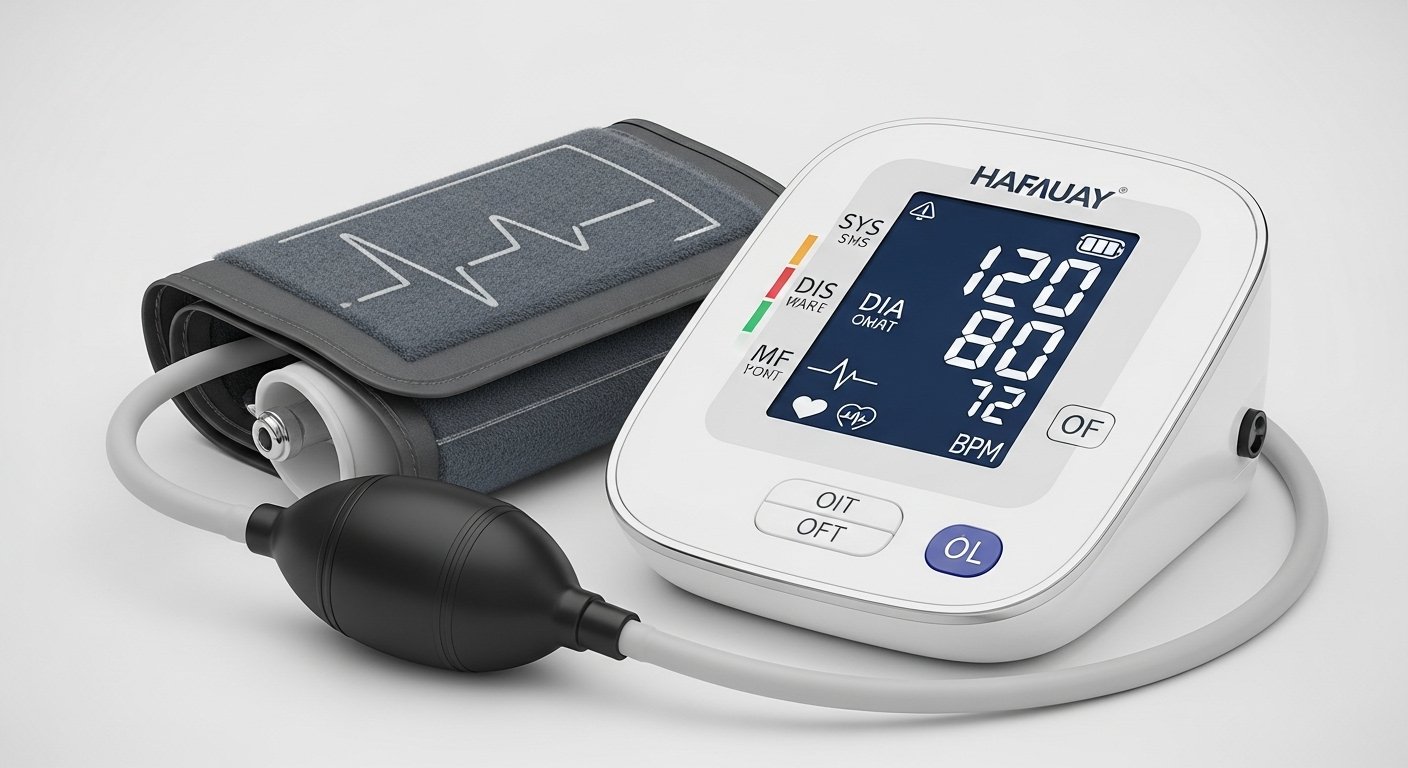
Blood pressure
Repeated measurements may be needed to determine whether blood pressure is consistently elevated.
Blood glucose
Depending on your circumstances, this may involve fasting glucose and/or HbA1c testing.
Lipid profile
This can include triglycerides, HDL cholesterol, LDL cholesterol and other lipid measurements where appropriate.
Overall cardiovascular risk
Your doctor may also consider your age, smoking status, family history, existing medical conditions and other risk factors.
Singapore’s updated 2026 screening recommendations emphasise that screening should be based on individual risk and followed by appropriate assessment rather than relying on indiscriminate mass screening. [10]
Can metabolic syndrome be reversed?
The answer depends on what is meant by reversed.
Metabolic syndrome is not necessarily a permanent state. Some of its components can improve significantly with appropriate lifestyle changes and medical treatment.
The most important areas usually include:
Improve your diet
Focus on a balanced eating pattern with vegetables, fruits, whole grains, appropriate sources of protein and healthier fats.
For people in Singapore, it is also worth paying attention to sodium, saturated fat, added sugar and portion sizes. Singapore’s National Nutrition Survey found that nine in ten residents exceeded the recommended sodium intake. [11]
This does not mean you need to eliminate every favourite local food.
Instead, look at your overall dietary pattern and make practical changes that you can maintain.
Stay physically active
Regular physical activity can help improve cardiovascular fitness, insulin sensitivity, blood pressure and weight management.
For many adults, building towards at least 150 minutes of moderate-intensity physical activity each week is a useful general target, although exercise should be adapted to individual health and fitness levels. [12]
Manage your weight if appropriate
Even modest, sustainable weight loss can improve several metabolic risk factors in people who are overweight or obese.
The focus should be on sustainable health improvement rather than rapid weight loss.
Do not ignore blood pressure and cholesterol
Lifestyle changes are important, but some people will also require medication to control blood pressure, cholesterol or blood glucose.
Do not start, stop or change prescription medication without discussing it with your doctor.
When should you see an internal medicine doctor in Singapore?
You do not necessarily need a specialist simply because one metabolic risk factor is abnormal.
A GP or family physician can manage many common metabolic conditions effectively.
However, seeing an internal medicine doctor in Singapore may be appropriate when several medical problems occur together, when your blood pressure or other risk factors remain difficult to control, when test results are complicated, or when you need a broader assessment of multiple adult health conditions.
Internal medicine takes a whole-person approach to adult medical problems. This can be particularly useful when hypertension, cholesterol abnormalities, diabetes risk, obesity, kidney concerns or other conditions overlap.
For patients and caregivers, the important question is not simply, “Do I have metabolic syndrome?”
It is:
“What does my overall risk look like, and what can I do about it now?”
Early identification gives you an opportunity to address risk factors before they develop into more serious disease.
Final thoughts
Metabolic syndrome is best understood as a warning sign rather than a diagnosis to be ignored.
An increasing waistline, high blood pressure, abnormal cholesterol or elevated blood sugar may seem like separate issues. When several occur together, however, they can point towards a broader metabolic problem and a higher risk of cardiovascular disease, diabetes, stroke, kidney disease and metabolic liver disease.
For patients in Singapore, regular and appropriate health screening can help identify these risk factors early.
If you have several metabolic abnormalities, unexplained changes in your blood tests, difficult-to-control hypertension or multiple medical conditions, discussing the bigger picture with an internal medicine doctor in Singapore may be worthwhile.
The earlier we identify the risk factors, the more opportunities there are to manage them thoughtfully and protect your long-term health.
Medical disclaimer: This article is intended for general educational purposes and does not provide a diagnosis or personalised medical advice. Your individual risk and treatment needs depend on your medical history, examination and test results. Please speak with a qualified healthcare professional for advice about your health.
FAQs
1. What is metabolic syndrome?
Metabolic syndrome is a combination of metabolic risk factors, typically including abdominal obesity, high blood pressure, elevated blood glucose, high triglycerides and low HDL cholesterol. Having several of these together increases the risk of conditions such as cardiovascular disease and type 2 diabetes.
2. What are the five components of metabolic syndrome?
The five commonly recognised components are increased waist circumference, elevated blood pressure, raised blood glucose, high triglycerides and low HDL cholesterol. Metabolic syndrome is generally identified when several of these risk factors occur together.
3. Can you have metabolic syndrome without being obese?
Yes. BMI does not fully reflect where body fat is stored. A person can have a relatively normal BMI while carrying excess visceral or abdominal fat and having other metabolic risk factors.
4. Is metabolic syndrome the same as diabetes?
No. Metabolic syndrome is a cluster of risk factors that increases the likelihood of developing type 2 diabetes. A person can have metabolic syndrome without having diabetes.
5. Does metabolic syndrome increase blood pressure?
Metabolic syndrome is associated with elevated blood pressure, but having metabolic syndrome does not mean that every person will develop hypertension. Blood pressure should be assessed separately and monitored appropriately.
6. Can metabolic syndrome cause heart disease?
Metabolic syndrome increases cardiovascular risk because several of its components, including high blood pressure, abnormal blood lipids, elevated blood glucose and abdominal obesity, are associated with cardiovascular disease.
7. Can metabolic syndrome affect the kidneys?
Yes. Metabolic syndrome is associated with an increased risk of kidney dysfunction. High blood pressure and diabetes, which commonly occur alongside metabolic syndrome, are also important causes of chronic kidney disease.
8. What tests are used to check for metabolic syndrome?
There is no single metabolic syndrome test. In Singapore, prediabetes is diagnosed using fasting plasma glucose and/or an oral glucose tolerance test. HbA1c estimates average blood glucose over the previous two to three months. American Diabetes Association guidelines also recognise HbA1c as a test for screening and identifying prediabetes, with levels of 5.7–6.4% falling within the prediabetes range. However, Singapore’s local guidance uses glucose-based tests rather than HbA1c alone to diagnose prediabetes. Your doctor may recommend further glucose testing to clarify an abnormal or borderline result.
9. Can lifestyle changes improve metabolic syndrome?
Yes. Healthy eating, regular physical activity, appropriate weight management and stopping smoking can improve several metabolic risk factors. Some people may also require medication to control individual conditions such as hypertension, high cholesterol or diabetes.
10. When should I see an internal medicine doctor in Singapore?
An internal medicine doctor may be helpful when several medical conditions or risk factors occur together, when hypertension or other metabolic problems are difficult to control, or when you need a broader assessment of complex adult health concerns.