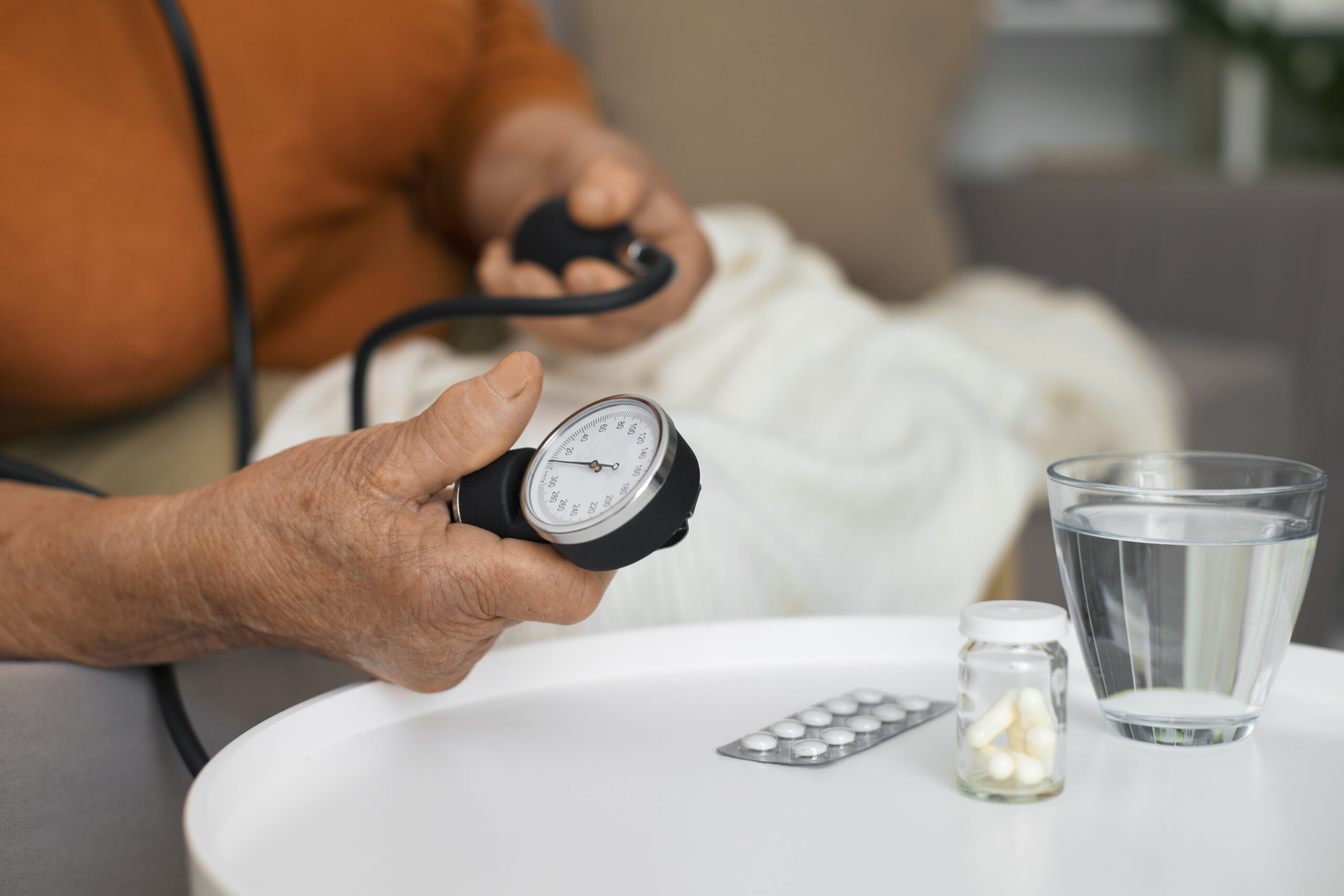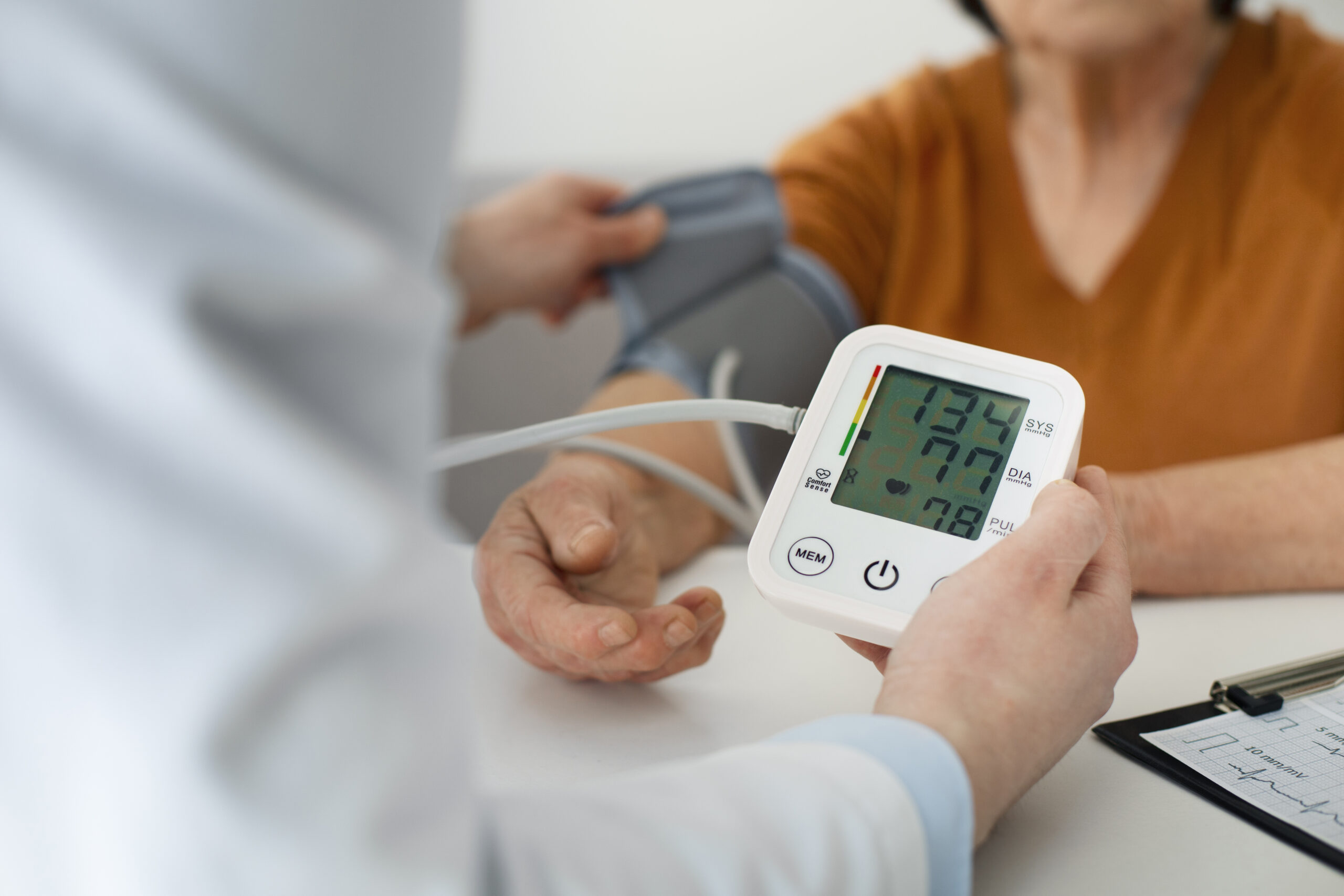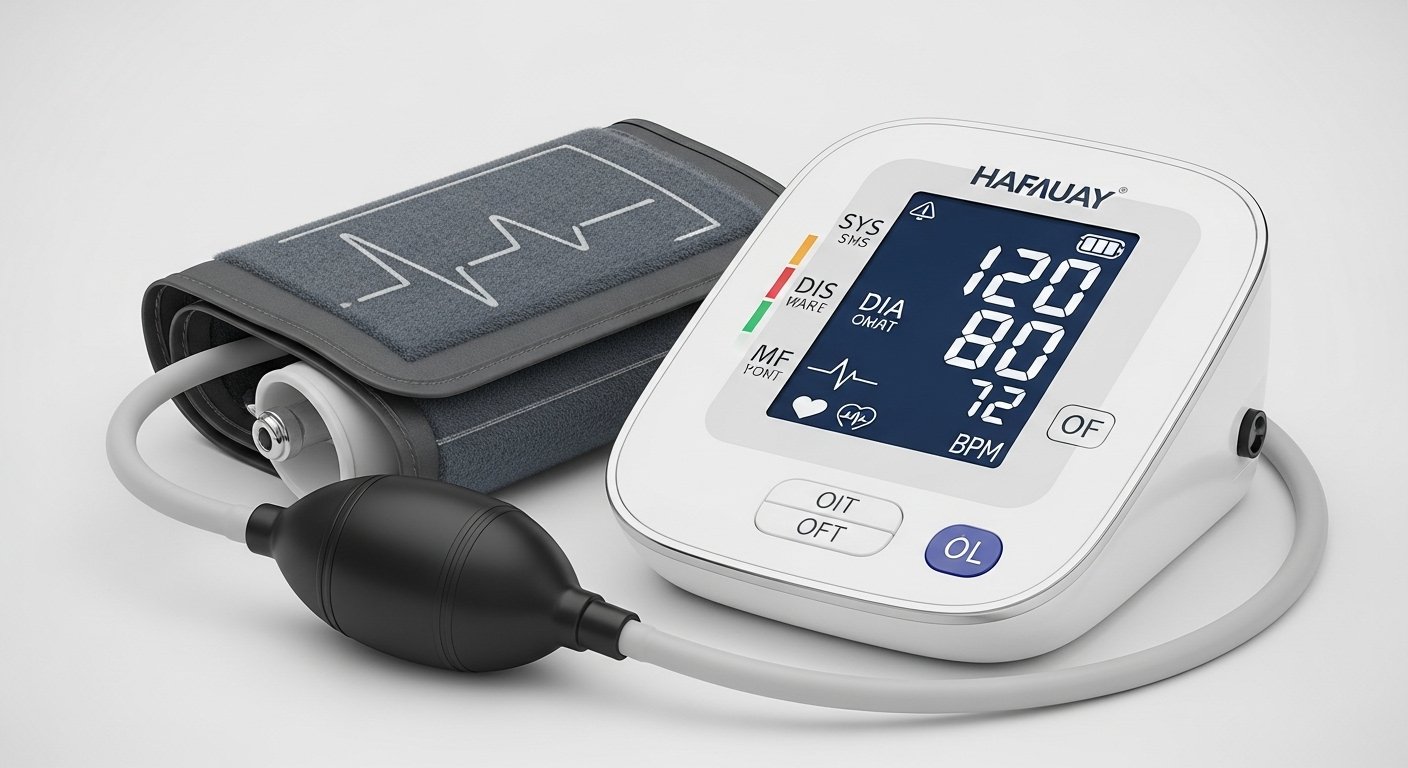

Being told that you have high blood pressure can raise many questions.
“Do I need medication immediately?”
“Will I have to take tablets for the rest of my life?”
“Can I lower my blood pressure naturally?”
“Why is my blood pressure still high even though I am taking medication?”
These are questions I hear regularly in clinical practice. The important thing to understand is that hypertension treatment is not simply about bringing down a number on a blood pressure monitor. The real objective is to reduce your long-term risk of stroke, heart attack, heart failure, kidney disease and other complications.
Treatment also needs to be individualised. Two people with similar blood pressure readings may require very different approaches depending on their age, cardiovascular risk, kidney function, diabetes status, medications, lifestyle and other medical conditions.
For patients in Singapore, effective hypertension management usually involves a combination of accurate diagnosis, lifestyle changes, appropriate medication when necessary and regular follow-up.
What Is Hypertension?
Blood pressure measures the force of circulating blood against the walls of your arteries.
Your reading contains two numbers:
- Systolic blood pressure is the pressure when your heart contracts.
- Diastolic blood pressure is the pressure when your heart relaxes between beats.
Blood pressure naturally changes throughout the day. Exercise, stress, caffeine, sleep and even the environment in which your blood pressure is measured can affect the reading.
For this reason, hypertension should not usually be diagnosed from one isolated elevated measurement.
Persistent high blood pressure needs proper assessment.
Why Does Hypertension Need Treatment?
One of the difficulties with hypertension is that most people feel completely normal.
I often meet patients who tell me, “Doctor, I don’t have headaches, so I don’t think my blood pressure is serious.”
Unfortunately, headaches are not a reliable indicator of hypertension.
High blood pressure can gradually damage blood vessels and organs without causing noticeable symptoms.
Over time, uncontrolled hypertension increases the risk of:
- Stroke
- Heart attack
- Heart failure
- Kidney disease
- Peripheral vascular disease
- Eye damage
- Cognitive decline and vascular dementia
The purpose of hypertension treatment is therefore preventive. We are treating a risk that may otherwise remain silent for years.
The First Step: Confirming That You Really Have Hypertension
Before deciding on treatment, it is important to establish whether your blood pressure is genuinely and consistently elevated.
A reading taken in the clinic represents only one moment in your day.
Some patients experience white-coat hypertension, where their blood pressure is high in a medical setting but normal at home.
Others have masked hypertension, where clinic readings appear acceptable but blood pressure is elevated during normal daily life.
Depending on the circumstances, I may recommend:
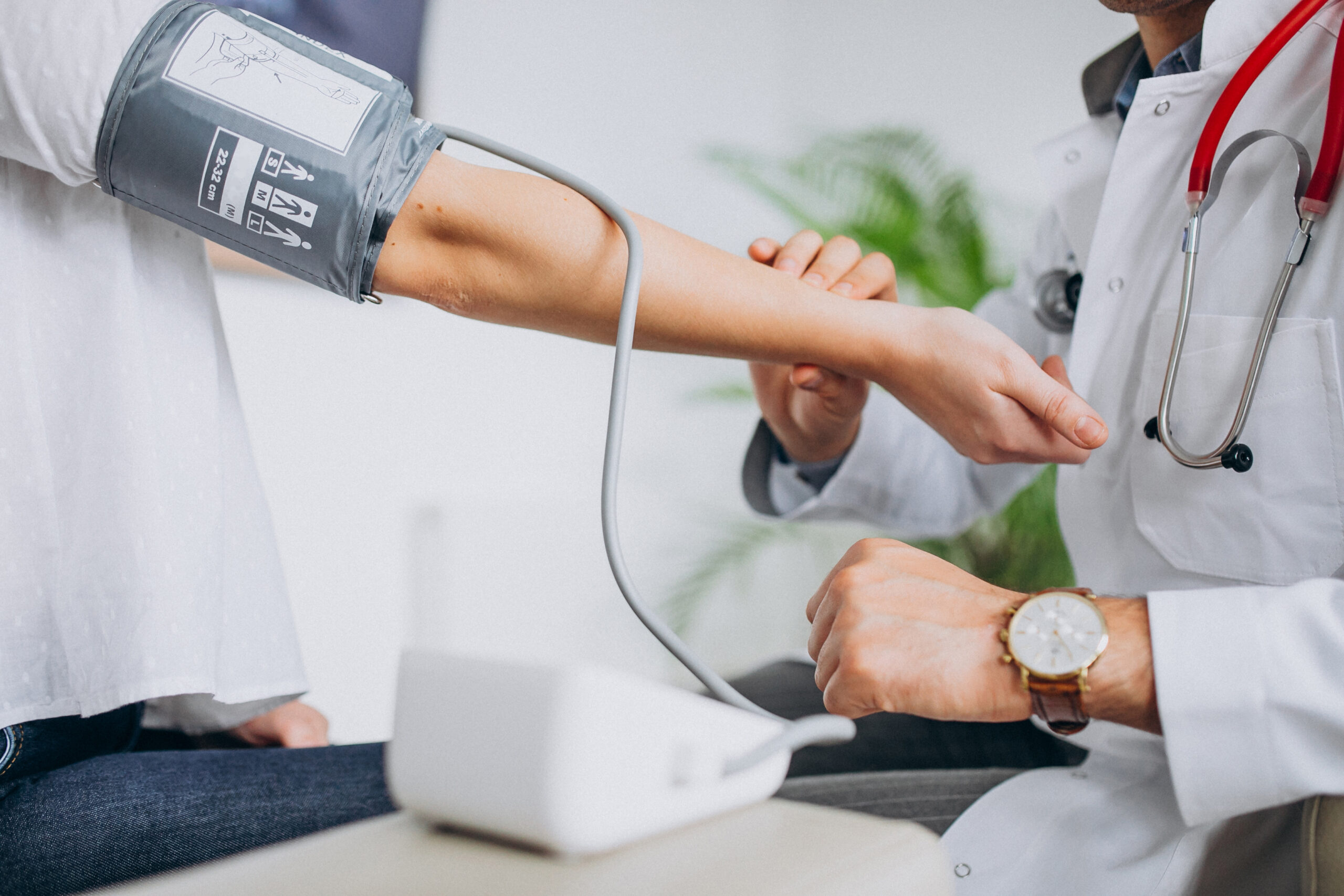
Home Blood Pressure Monitoring
Patients measure their blood pressure at home over several days using a validated monitor.
This can provide a more representative picture than occasional clinic readings.
24-Hour Ambulatory Blood Pressure Monitoring
A portable device automatically measures blood pressure throughout the day and night.
This provides valuable information about daytime readings, sleep-time blood pressure and overall patterns.
A hypertension specialist in Singapore may recommend ambulatory monitoring when the diagnosis is uncertain, readings fluctuate significantly or blood pressure remains difficult to control.
Understanding Why Your Blood Pressure Is High
Most adults have what we call primary or essential hypertension.
This means there is no single identifiable cause. Instead, hypertension develops through a combination of genetics, age, lifestyle and environmental factors.
Common contributors include:
- Family history
- Excess sodium intake
- Being overweight
- Physical inactivity
- Excessive alcohol consumption
- Poor sleep
- Age-related changes in blood vessels
However, some patients have secondary hypertension, where high blood pressure results from another medical condition.
Possible causes include:
- Kidney disease
- Hormonal disorders
- Obstructive sleep apnoea
- Certain medications
- Some adrenal gland conditions
Secondary causes become particularly important when hypertension develops at an unusual age, becomes suddenly worse or remains uncontrolled despite several medications.
Treatment Option 1: Lifestyle Changes
Lifestyle modification is an important part of hypertension treatment for virtually every patient.
For some people with mildly elevated blood pressure and low cardiovascular risk, lifestyle measures may initially be sufficient.
For others, lifestyle changes should accompany medication rather than replace it.
Reduce Sodium Intake
Singapore’s food culture makes sodium reduction particularly relevant.
A large proportion of dietary sodium can come from sauces, soups, gravies, processed foods and meals eaten outside the home.
Practical changes include:
- Ask for less sauce or gravy
- Avoid finishing all the soup
- Limit processed meats
- Reduce heavily salted foods
- Choose fresh ingredients more frequently
- Read nutrition labels when buying packaged foods
You do not need to eat bland food. The goal is to reduce unnecessary sodium consistently.
Maintain a Healthy Weight
If you are overweight, even modest weight loss can improve blood pressure.
I generally encourage patients to focus on sustainable habits rather than aggressive short-term diets.
Exercise Regularly
Regular physical activity improves cardiovascular fitness and can help lower blood pressure.
For most adults, working towards at least 150 minutes of moderate-intensity physical activity each week is a reasonable goal.
Brisk walking is an excellent option and requires no special equipment.
Moderate Alcohol Consumption
Excessive alcohol can contribute to hypertension and make blood pressure more difficult to control.
If you drink, moderation is important.
Stop Smoking
Smoking may not be the primary cause of chronic hypertension, but it dramatically increases cardiovascular risk.
A patient who has hypertension and continues smoking faces considerably greater risk than blood pressure readings alone might suggest.
Improve Sleep
Poor sleep can contribute to cardiovascular and metabolic problems.
If you snore heavily, wake feeling unrefreshed or experience excessive daytime sleepiness, discuss the possibility of sleep apnoea with your doctor.
Treatment Option 2: Blood Pressure Medication
Many patients worry about starting medication.
A common concern I hear is, “If I start tablets, will I become dependent on them?”
Blood pressure medication does not cause addiction.
If medication is required long term, it is usually because the underlying tendency towards hypertension remains present, not because the body has become dependent on the tablet.
Several types of medication are available.
Common Types of Hypertension Medication
ACE Inhibitors
ACE inhibitors relax blood vessels and lower blood pressure.
They may be particularly useful in certain patients with diabetes, kidney disease or other cardiovascular conditions.
A persistent dry cough can occur in some patients.
Angiotensin Receptor Blockers (ARBs)
ARBs work through a related pathway and are commonly used for hypertension.
They are often considered when an ACE inhibitor is unsuitable or causes troublesome cough.
Calcium Channel Blockers
These medications help relax the arteries and are widely used in blood pressure management.
Some patients may develop ankle swelling, although this depends on the medication and dose.
Diuretics
Sometimes called “water tablets”, diuretics help the kidneys remove excess sodium and fluid.
Different types of diuretics are available, and appropriate monitoring may include kidney function and electrolyte levels.
Beta Blockers
Beta blockers reduce the effects of certain stress hormones on the heart and circulation.
They are not necessarily the first choice for uncomplicated hypertension in every patient, but they can be particularly useful when other conditions are present, such as certain heart rhythm problems, angina or previous heart disease.
How Does a Doctor Choose the Right Medication?
There is no single “best” blood pressure tablet for everyone.
Medication selection depends on factors such as:
- Age
- Blood pressure level
- Kidney function
- Diabetes
- Heart disease
- Previous stroke
- Other medications
- Pregnancy considerations
- Possible side effects
- Individual cardiovascular risk
Sometimes one medication is sufficient.
In other cases, two or more medications at lower doses may control blood pressure more effectively while minimising side effects.
Combination tablets can also simplify treatment by placing two medications into one pill.
Do I Need Medication Immediately?
Not necessarily.
The decision depends on how high your blood pressure is and your overall risk.
For example, someone with mildly elevated readings and otherwise low cardiovascular risk may initially be given time to improve diet, exercise and weight.
A patient with significantly elevated blood pressure, diabetes, kidney disease, existing cardiovascular disease or high overall cardiovascular risk may benefit from medication earlier.
This is why hypertension treatment should not be based on a single number.
What If My Blood Pressure Is Still High Despite Medication?
This situation deserves careful evaluation rather than simply adding tablets indefinitely.
First, we consider several possibilities.
Is the blood pressure being measured correctly?
Are medications being taken consistently?
Is dietary sodium intake high?
Could another medication be increasing blood pressure?
Is sleep apnoea present?
Could there be an underlying kidney or hormonal condition?
Patients with persistently uncontrolled blood pressure despite appropriate treatment may benefit from assessment by a hypertension specialist in Singapore, particularly when resistant or secondary hypertension is suspected.
What Is Resistant Hypertension?
Resistant hypertension generally refers to blood pressure that remains above target despite treatment with several appropriate blood pressure medications, including a diuretic where suitable.
Before diagnosing resistant hypertension, we need to exclude “pseudo-resistance”.
This can occur because of:
- Incorrect blood pressure measurement
- White-coat effect
- Missed medication doses
- Inappropriate medication combinations
- Excessive sodium intake
- Interfering medicines
Once these factors are addressed, further investigation may be necessary.
Monitoring Your Treatment
Starting hypertension treatment is not the end of the process.
Regular monitoring helps determine whether treatment is working and whether adjustments are necessary.
Depending on your circumstances, follow-up may involve:
- Home blood pressure records
- Clinic measurements
- Kidney function tests
- Electrolyte testing
- Medication review
- Cardiovascular risk assessment
- Lifestyle review
Blood pressure targets should also be individualised.
Very aggressive lowering is not appropriate for every patient, particularly some older adults or people who experience dizziness or falls.
The goal is effective control without causing unnecessary side effects.
Common Myths About Hypertension Treatment
“Once my blood pressure becomes normal, I can stop my medication.”
Your blood pressure may be normal precisely because the medication is working.
Stopping treatment without medical advice can allow it to rise again.
“Natural supplements are safer than medication.”
Natural does not automatically mean safe.
Some supplements can interact with medications or affect blood pressure, kidney function or electrolyte levels.
Always tell your doctor about supplements you take.
“Blood pressure medication damages the kidneys.”
Some medications actually protect the kidneys in appropriate patients.
Kidney function may need monitoring, but avoiding necessary treatment because of this misconception can allow hypertension itself to damage the kidneys.
“If I exercise and eat well, I should not need medication.”
Lifestyle measures are extremely important, but genetics, age and other medical factors also influence blood pressure.
Needing medication does not mean your lifestyle efforts have failed.
When Should High Blood Pressure Be Treated Urgently?
Most hypertension is managed through planned outpatient care.
However, extremely elevated blood pressure accompanied by concerning symptoms requires urgent medical assessment.
Seek immediate medical attention if very high blood pressure occurs together with symptoms such as:
- Severe chest pain
- Significant breathlessness
- Sudden weakness or numbness
- Difficulty speaking
- Confusion
- Fainting
- Sudden visual disturbance
- Severe or unusual neurological symptoms
Do not simply take additional doses of medication unless specifically instructed by a doctor.
Key Takeaways
Hypertension treatment is not simply about prescribing tablets.
Effective management involves:
- Confirming the diagnosis accurately
- Understanding your cardiovascular risk
- Identifying possible underlying causes
- Reducing dietary sodium
- Exercising regularly
- Maintaining a healthy weight
- Improving sleep
- Taking medication when appropriate
- Monitoring treatment carefully
- Investigating difficult-to-control hypertension
Most importantly, treatment should be personalised.
The best plan is one that controls your blood pressure safely while fitting realistically into your daily life.
Frequently Asked Questions
1. Can hypertension be cured completely?
For many people with primary hypertension, there is no permanent “cure” because genetics, ageing and other factors continue to influence blood pressure. However, hypertension can usually be controlled very effectively. Some patients who lose weight and make substantial lifestyle changes may reduce their medication requirements, but treatment should only be adjusted under medical supervision.
2. Will I need blood pressure medication for life?
Not necessarily, although many patients do require long-term treatment. The answer depends on why your blood pressure is elevated, your cardiovascular risk and how effectively lifestyle changes improve your readings. Medication requirements can also change with age, weight and health. The important goal is not to stop medication but to maintain safe blood pressure.
3. What time of day should I take my hypertension medication?
The best timing depends on the specific medication, your blood pressure pattern, other medicines and your doctor’s instructions. Some medications are taken once daily, while others may require different schedules. Rather than changing timing based on general online advice, discuss your individual treatment plan with your doctor.
4. What should I do if I forget a dose?
What to do depends on the medication and how much time has passed. In many cases, taking a double dose to compensate is not recommended. Check the instructions provided with your medicine or contact your healthcare professional if you are unsure. A pill organiser or phone reminder can help if missed doses occur frequently.
5. Can I drink coffee while taking blood pressure medication?
Many people with hypertension can continue drinking coffee in moderation. Caffeine can temporarily raise blood pressure in some individuals, particularly those who are sensitive to it. If you consume several coffees daily or notice consistently higher readings after caffeine, discuss this with your doctor rather than assuming coffee must automatically be eliminated.
6. Why is my blood pressure higher at the doctor’s clinic?
Anxiety or unfamiliar surroundings can temporarily increase blood pressure. This is known as the white-coat effect. Home blood pressure measurements or ambulatory monitoring can help determine whether your readings are also elevated during normal daily activities. Treatment decisions should ideally be based on an accurate understanding of your usual blood pressure.
7. Can hypertension medication cause side effects?
Yes, like all medications, blood pressure medicines can cause side effects. These vary depending on the drug and the individual. Possible effects include dizziness, ankle swelling, cough or changes in electrolyte levels. If you experience problems, speak with your doctor. Often the dose or medication can be adjusted rather than abandoning treatment completely.
8. Can I stop medication if I lose weight?
Weight loss can significantly improve blood pressure in some people and may reduce medication requirements. However, do not stop treatment based solely on improved home readings. Your doctor should review your blood pressure pattern and overall health before reducing medication. Some patients can successfully reduce treatment, while others still require medication despite excellent lifestyle habits.
9. Why do some people need several blood pressure tablets?
Hypertension is controlled through several biological mechanisms. Using medications that work through different pathways can sometimes provide better control than increasing one medication to a very high dose. Combination therapy is common and does not necessarily mean your condition is unusually severe. What matters is achieving appropriate blood pressure control safely.
10. When should I see a hypertension specialist?
Specialist assessment may be helpful if your blood pressure remains uncontrolled despite several medications, fluctuates considerably, develops at an unusually young age or is suspected to have an underlying secondary cause. A hypertension specialist in Singapore can also provide more detailed evaluation when standard treatment has not achieved satisfactory control.
A Personalised Approach to Blood Pressure Management
Hypertension is highly treatable, but successful treatment begins with understanding why your blood pressure is elevated and what level of intervention is appropriate for you.
At Kaizen Medical, hypertension management can include detailed blood pressure assessment, ambulatory blood pressure monitoring, evaluation of cardiovascular risk factors, medication optimisation and investigation of possible secondary causes where appropriate. Related care may also include internal medicine consultation, health screening, diabetes management, cholesterol management and preventive healthcare.
If your blood pressure has recently been elevated, your medication is causing concerns or your hypertension remains difficult to control, consider booking a consultation with Dr. Adrian Mondry at Kaizen Medical.
The objective is not simply to achieve a better reading at your next appointment. It is to protect your heart, brain, kidneys and blood vessels for the years ahead.