
A typical working day in Singapore can start early and end late. Between meetings, deadlines, commuting, business meals and family responsibilities, taking care of your heart can easily move to the bottom of the priority list.
I often meet professionals who tell me, “Doctor, I know I should exercise and eat better, but I simply don’t have the time.”
This is understandable. The good news is that protecting your heart does not require completely changing your life. Small, consistent decisions can make a meaningful difference to your blood pressure, cholesterol, blood sugar, weight and long-term cardiovascular health.
The bigger concern is waiting until symptoms appear. High blood pressure, diabetes and high cholesterol can remain silent for years while gradually affecting the blood vessels, heart, brain and kidneys.
For busy professionals, prevention needs to be practical. Here are the heart health habits I recommend focusing on.
Why Should Busy Professionals Pay Attention to Heart Health?
Heart disease rarely develops because of one single factor. It is usually the result of several risks accumulating over time.
Common cardiovascular risk factors include:
- High blood pressure
- High cholesterol
- Diabetes
- Smoking
- Excess body weight
- Physical inactivity
- Poor diet
- Excessive alcohol consumption
- Inadequate sleep
- Family history of cardiovascular disease
A demanding work schedule can indirectly worsen several of these risks.
Long hours at a desk mean less movement. Stress can interfere with sleep. Convenience meals may contain more salt, sugar and saturated fat than we realise. Exercise gets postponed because another meeting seems more urgent.
These habits may appear harmless when you are young and otherwise healthy. Their effects, however, accumulate.
1. Know Your Blood Pressure
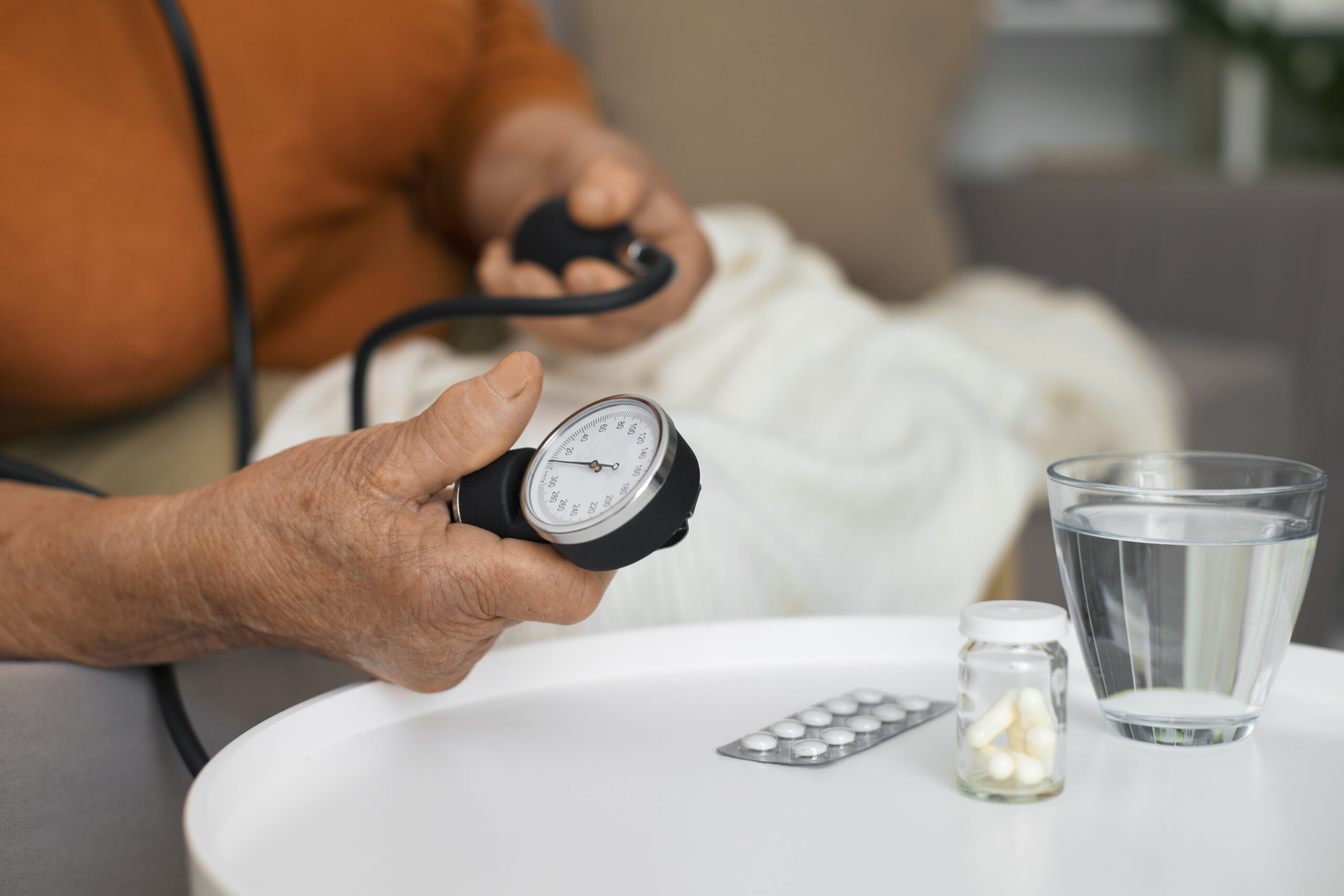
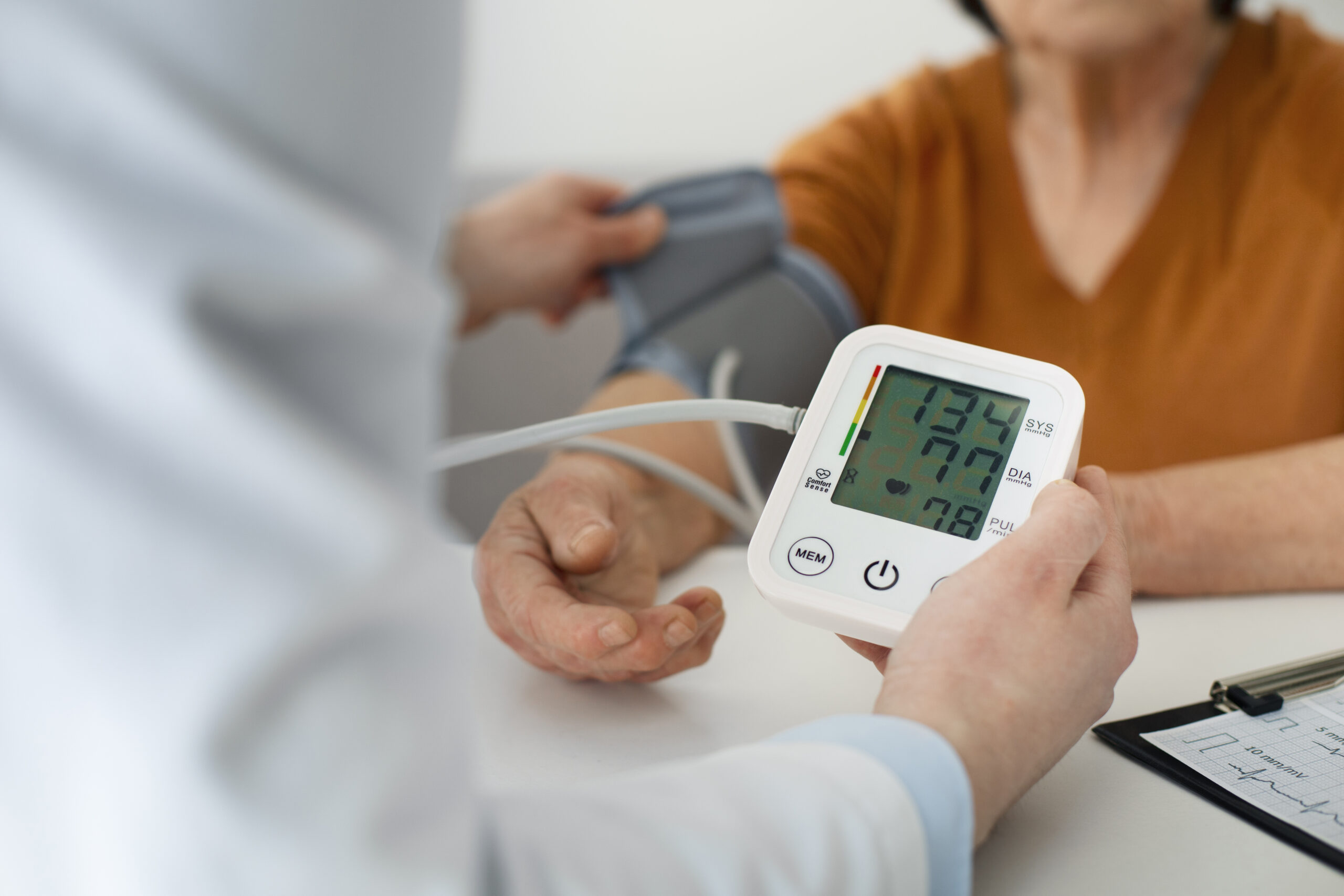
One of the most useful numbers for understanding cardiovascular health is also one of the easiest to measure: your blood pressure.
High blood pressure is particularly concerning because most people do not feel it.
You can have significantly elevated blood pressure and still feel completely normal.
In my clinical practice, I have seen patients discover hypertension during routine health screenings despite having no headaches, dizziness or other symptoms.
This is why relying on how you feel is not enough.
If your blood pressure is repeatedly elevated, it should be properly assessed rather than dismissed as work stress. A hypertension specialist in Singapore may recommend home measurements or 24-hour ambulatory blood pressure monitoring to determine what your blood pressure is doing throughout your normal day and during sleep.
2. Move More, Even If You Cannot Visit the Gym
Many professionals think exercise only counts if they spend an hour in the gym.
It does not.
Regular movement throughout the day matters.
If your schedule is packed, consider practical options:
- Walk during suitable phone calls
- Take the stairs instead of the lift
- Walk to lunch rather than ordering to your desk
- Get off public transport one stop earlier
- Take a five-minute movement break between meetings
- Schedule short exercise sessions before work
- Walk after dinner with your family
Aim to gradually work towards at least 150 minutes of moderate-intensity physical activity each week, together with muscle-strengthening activities.
A brisk 30-minute walk five days a week is already a very good starting point.
The best exercise programme is not necessarily the most sophisticated one. It is the one you can maintain.
3. Be Strategic About Hawker Food
Eating healthily in Singapore does not mean giving up hawker centres or eating salads every day.
What matters is learning to make better choices more often.
Many commonly available meals can contain substantial amounts of sodium, particularly when sauces, soups, gravies and processed ingredients are involved. Excess sodium can contribute to elevated blood pressure, especially in people who are salt-sensitive.
Simple changes include:
- Ask for less gravy or sauce
- Avoid drinking all the soup
- Choose steamed or grilled options more frequently
- Add vegetables where possible
- Reduce processed meats
- Choose whole grains when available
- Limit deep-fried foods
- Watch portion sizes
- Choose water instead of sweetened beverages
You do not need a perfect diet.
If most of your meals are sensible, an occasional indulgence is unlikely to undo your efforts.
4. Do Not Ignore Your Cholesterol
High cholesterol is another condition that usually causes no symptoms.
You cannot feel whether your LDL, often called “bad cholesterol”, is elevated.
Over many years, excess cholesterol can contribute to plaque formation inside the arteries. This increases the risk of heart attack and stroke.
Your cholesterol should therefore be assessed based on your age and cardiovascular risk profile.
If it is elevated, treatment depends on more than one laboratory number. We consider your blood pressure, diabetes status, smoking history, family history and overall cardiovascular risk before deciding whether lifestyle measures alone are sufficient or medication is appropriate.
5. Pay Attention to Blood Sugar
Type 2 diabetes is closely linked to cardiovascular disease.
Busy professionals may be particularly vulnerable to unhealthy eating patterns such as skipping breakfast, eating late dinners, consuming sweetened drinks for energy or relying heavily on takeaway meals.
Over time, these habits can contribute to weight gain and insulin resistance.
Regular screening for diabetes is especially important if you:
- Are overweight
- Have a family history of diabetes
- Have hypertension
- Have abnormal cholesterol levels
- Have previously had elevated blood glucose
Finding diabetes early allows treatment to begin before complications develop.
6. Protect Your Sleep
Sleep is often the first thing professionals sacrifice when work becomes demanding.
Repeatedly sleeping too little can affect blood pressure, appetite, glucose metabolism and overall cardiovascular health.
Most adults should aim for approximately seven to nine hours of sleep per night, although individual requirements vary.
If you regularly snore loudly, wake feeling unrefreshed or experience significant daytime sleepiness despite spending enough time in bed, discuss this with your doctor.
Obstructive sleep apnoea is an important and sometimes overlooked contributor to high blood pressure, particularly resistant hypertension.
7. Manage Stress Without Assuming Stress Explains Everything
One common statement I hear is, “My blood pressure is high because my job is stressful.”
Stress can certainly cause temporary increases in blood pressure. It can also affect sleep, eating habits, alcohol consumption and exercise.
However, persistently elevated readings should never automatically be attributed to stress.
If your blood pressure remains high at home as well as at the clinic, further assessment may be necessary.
Seeing a hypertension specialist in Singapore can help determine whether you have sustained hypertension, stress-related elevations, white-coat hypertension or another underlying issue.
For everyday stress management, simple measures can help:
- Exercise regularly
- Take proper meal breaks
- Create boundaries around work messages
- Practise slow breathing or meditation
- Spend time outdoors
- Protect your sleep
- Maintain meaningful social connections
Stress management should support medical care, not replace it.
8. Stop Smoking
If you smoke, quitting is one of the most powerful things you can do for your cardiovascular health.
Smoking damages blood vessels and significantly increases the risk of heart attack and stroke.
Some people believe that smoking only a few cigarettes socially is relatively harmless. Cardiovascular risk, however, is not limited to heavy smokers.
If you are struggling to quit, speak with your doctor. Behavioural support and appropriate smoking cessation treatments can substantially improve the chances of success.
9. Be Sensible About Alcohol
Business dinners, networking events and social gatherings can make alcohol consumption part of professional life.
The problem often lies in how quickly occasional drinking becomes routine.
Alcohol can add significant calories and, in larger amounts, contribute to elevated blood pressure and other health problems.
If you drink alcohol, moderation matters. Alcohol should not be viewed as something you need to consume for heart health.
10. Do Not Depend on Your Smartwatch Alone
Wearable devices can be useful for monitoring activity, heart rate and sleep patterns.
They can encourage people to become more aware of their health.
But they are not a substitute for medical assessment.
A smartwatch cannot tell you whether your cholesterol is elevated, whether you have diabetes or whether your blood pressure is damaging your kidneys.
Use technology as a tool, not as reassurance that everything must be fine.
Make Health Screening Part of Your Calendar
Professionals schedule financial reviews, business meetings and performance assessments months in advance.
Your health deserves the same attention.
Depending on your age and individual risk profile, regular screening may include:
- Blood pressure
- Cholesterol
- Blood glucose or HbA1c
- Weight and waist circumference
- Kidney function
- Liver function
- Cardiovascular risk assessment
Screening frequency should be individualised rather than based on an arbitrary package of tests.
A good health assessment asks an important question: which conditions are you at risk of developing, and what can we do about them now?
Common Myths About Heart Health
“I am too young to worry about heart disease.”
Cardiovascular risk factors can begin developing in younger adulthood. Prevention should start before disease develops.
“I exercise, so my diet does not matter.”
Exercise is extremely beneficial, but it does not completely offset smoking, uncontrolled hypertension, diabetes or persistently high cholesterol.
“I would know if my blood pressure was high.”
Usually, you would not. Hypertension is often completely asymptomatic.
“Medication means I have failed.”
Medication is not a personal failure. For some people, lifestyle changes are enough. Others require medication because of genetics, age, underlying conditions or the severity of their cardiovascular risk.
The goal is not to avoid medication at all costs. The goal is to prevent heart attack, stroke, kidney disease and other complications.
When Should You Consult a Doctor?
Do not wait for your next routine screening if you experience:
- Chest pain or pressure
- Unexplained breathlessness
- Palpitations
- Fainting or near-fainting
- Persistent dizziness
- Reduced exercise tolerance
- Leg swelling
- Repeatedly elevated blood pressure readings
Sudden or severe chest pain, significant breathing difficulty, fainting or symptoms suggestive of a heart attack or stroke require urgent medical attention.
If you have persistently elevated blood pressure, difficult-to-control hypertension or several cardiovascular risk factors, consultation with a hypertension specialist in Singapore may be appropriate.
Key Takeaways for Busy Professionals
Your career may demand a great deal from you, but protecting your cardiovascular health does not have to become another full-time job.
Focus on consistency:
- Know your blood pressure
- Move every day
- Make sensible food choices
- Check cholesterol and blood sugar
- Protect your sleep
- Stop smoking
- Moderate alcohol consumption
- Manage stress realistically
- Attend appropriate health screenings
- Seek medical advice when something is not right
Small decisions made consistently over years can have a far greater impact than dramatic lifestyle changes that last only a few weeks.
Frequently Asked Questions
1. How often should a busy professional check blood pressure?
The frequency depends on your age, medical history and previous readings. If your blood pressure has always been normal, it may be checked during routine health assessments. If readings are elevated, more frequent home monitoring may be useful. Avoid becoming overly focused on individual readings. Doctors are generally more interested in patterns over several days or weeks.
2. Can work stress actually cause hypertension?
Stress can temporarily increase blood pressure and may indirectly contribute to hypertension through poor sleep, inactivity, unhealthy eating or increased alcohol consumption. However, persistent hypertension should not automatically be blamed on work. If readings remain elevated outside stressful situations, medical assessment is advisable to determine whether sustained hypertension is present.
3. Is exercising only on weekends enough?
Weekend activity is certainly better than remaining inactive, and meaningful health benefits can still occur. However, sitting for prolonged periods throughout the working week is not ideal. Try incorporating movement into normal working days as well. Short walks, standing breaks and taking stairs can complement longer weekend exercise sessions.
4. Can coffee raise my blood pressure?
Caffeine can temporarily increase blood pressure in some individuals, although regular coffee drinkers may develop some tolerance. This does not mean everyone with hypertension must stop drinking coffee. If you notice consistently higher readings after caffeine or consume several strong coffees daily, discuss your intake with your doctor.
5. Are headaches a reliable sign of hypertension?
No. Most people with high blood pressure do not experience headaches or any other obvious symptoms. Waiting for headaches before checking your blood pressure can therefore provide false reassurance. Regular measurement remains the most reliable way to identify hypertension.
6. Should I avoid all salt if I have high blood pressure?
You do not need to eliminate sodium completely, but reducing excessive intake is beneficial. Much of our sodium comes from prepared foods, sauces, soups and processed products rather than the salt shaker alone. Learning where sodium is hidden can make dietary changes much easier and more sustainable.
7. Can a thin person still have heart disease?
Absolutely. Body weight is only one cardiovascular risk factor. A slim individual can still have high cholesterol, hypertension, diabetes, smoke cigarettes or carry a strong family history of premature cardiovascular disease. This is why medical assessment should never be based on appearance alone.
8. Does having normal cholesterol mean my heart is healthy?
Normal cholesterol is reassuring, but it does not provide the complete picture. Cardiovascular risk also depends on blood pressure, diabetes, smoking, age, family history and other medical conditions. Heart health should therefore be assessed using your overall risk profile rather than a single test result.
9. Can I reduce blood pressure without medication?
Some people with mildly elevated blood pressure can achieve meaningful improvements through weight management, exercise, reduced sodium intake, better sleep and moderation of alcohol. However, lifestyle changes may not be sufficient for everyone. If medication is recommended, delaying treatment while trying lifestyle measures indefinitely can expose you to unnecessary cardiovascular risk.
10. What health screening should professionals in Singapore consider?
Screening should be based on your age, sex, medical history, family history and individual risk factors. Blood pressure, cholesterol and diabetes screening are commonly relevant. Other investigations should be recommended when clinically appropriate rather than simply because they are included in a large screening package.
Protect Your Heart Before It Demands Your Attention
Many cardiovascular problems give us years of opportunity to intervene before they become emergencies. The challenge is recognising risk while you still feel well.
At Kaizen Medical, we provide health screening, internal medicine consultations, hypertension management, diabetes management, cholesterol management and preventive healthcare based on each patient’s individual risk profile.
If your work schedule has pushed your health into the background, consider making time for a proper assessment. Book a consultation with Dr. Adrian Mondry at Kaizen Medical to review your blood pressure, cardiovascular risk factors and long-term health. A thoughtful assessment today may help prevent far more serious problems later.