

Most people only think about seeing a doctor when they feel unwell. Yet many of the conditions that cause heart attacks, strokes, kidney disease and other serious health problems develop quietly over many years without causing any obvious symptoms.
This is one of the main reasons I encourage my patients to have regular health screenings. In my clinical practice, I often meet individuals who feel perfectly healthy but are surprised to learn they have high blood pressure, diabetes or elevated cholesterol. Detecting these conditions early gives us the opportunity to manage them before complications develop.
An annual health screening is not simply about finding illness. It is about understanding your health today so you can protect it for the future. Whether you are in your thirties, managing a demanding career, or enjoying retirement, regular screening is one of the most valuable investments you can make in your long-term wellbeing.
What Is an Annual Health Screening?
An annual health screening is a preventive medical assessment designed to identify health problems before symptoms appear. Depending on your age, medical history, family history and lifestyle, your doctor may recommend different tests.
A typical health screening may include:
- Blood pressure measurement
- Weight, body mass index (BMI) and waist circumference
- Blood glucose testing for diabetes
- Cholesterol profile
- Kidney function tests
- Liver function tests
- Urine analysis
- Electrocardiogram (ECG), when appropriate
- Cancer screening based on age and risk factors
Rather than using a one-size-fits-all approach, a good screening programme should be tailored to each individual.
Why Many Serious Diseases Go Unnoticed
One of the biggest misconceptions I hear is, “Doctor, I feel fine, so I must be healthy.”
Unfortunately, many chronic diseases develop silently.
Conditions such as:
- High blood pressure
- Type 2 diabetes
- High cholesterol
- Early kidney disease
- Fatty liver disease
can progress for years without causing discomfort.
By the time symptoms appear, damage to important organs may already have occurred.
For example, uncontrolled high blood pressure can gradually affect the heart, brain, kidneys and eyes long before a person notices anything unusual.
This is why regular screening remains one of the most effective forms of preventive healthcare.
Why Annual Screenings Matter
Early Detection Saves Lives
Finding disease early often means treatment can begin before complications develop.
Patients diagnosed at an earlier stage frequently require less intensive treatment and generally have better long-term outcomes.
Preventing Heart Disease and Stroke
Cardiovascular disease remains one of the leading causes of illness worldwide.
Regular screening allows doctors to identify risk factors such as:
- High blood pressure
- Elevated cholesterol
- Diabetes
- Obesity
- Smoking-related health risks
Addressing these early can significantly reduce the likelihood of future cardiovascular events.
Monitoring Existing Medical Conditions
If you already have hypertension, diabetes or high cholesterol, annual reviews help determine whether your treatment remains effective.
Medication adjustments, lifestyle recommendations and further investigations may be needed as your health changes over time.
Building a Personal Health Baseline
Health screenings provide valuable information that can be compared year after year.
Subtle changes may be detected long before they become serious problems.
Who Should Have Annual Health Screenings?
While screening recommendations differ between individuals, I generally advise adults to consider regular assessments, particularly if they:
- Are aged 40 years or older
- Have a family history of heart disease, stroke or diabetes
- Are overweight or obese
- Smoke
- Have high blood pressure
- Have elevated cholesterol
- Have diabetes
- Lead a sedentary lifestyle
- Experience significant workplace stress
In Singapore, where long working hours and convenient food options are common, lifestyle-related conditions have become increasingly prevalent among younger adults as well.
Common Risk Factors That Should Not Be Ignored
Many health risks develop gradually.
Some of the most common include:
Poor Diet
Singapore offers incredible food choices, but frequent consumption of meals high in salt, saturated fats and refined carbohydrates may contribute to hypertension, diabetes and obesity.
This does not mean avoiding hawker food entirely. Rather, making healthier choices more consistently can have a meaningful impact over time.
Lack of Physical Activity
Desk-based work and long commuting hours often leave little time for exercise.
Even moderate activity such as brisk walking for 150 minutes each week supports cardiovascular health.
Chronic Stress
Stress itself may not directly cause hypertension, but it often contributes to unhealthy eating, poor sleep and reduced physical activity.
Managing stress is an important part of overall health.
Smoking and Excessive Alcohol
Both significantly increase cardiovascular risk and should always be addressed during routine health assessments.
Symptoms That Should Prompt Earlier Medical Assessment
Although screenings are recommended even without symptoms, you should not delay seeing a doctor if you experience:
- Persistent headaches
- Chest discomfort
- Shortness of breath
- Dizziness
- Palpitations
- Unexplained weight loss
- Frequent urination
- Excessive thirst
- Swelling of the legs
- Persistent fatigue
These symptoms deserve proper medical evaluation and should never be ignored.
What Happens During Your Health Screening?
Many patients worry that a health screening will be lengthy or uncomfortable.
In reality, most assessments are straightforward.
A consultation usually includes:
- Discussion of your medical history
- Review of medications
- Lifestyle assessment
- Physical examination
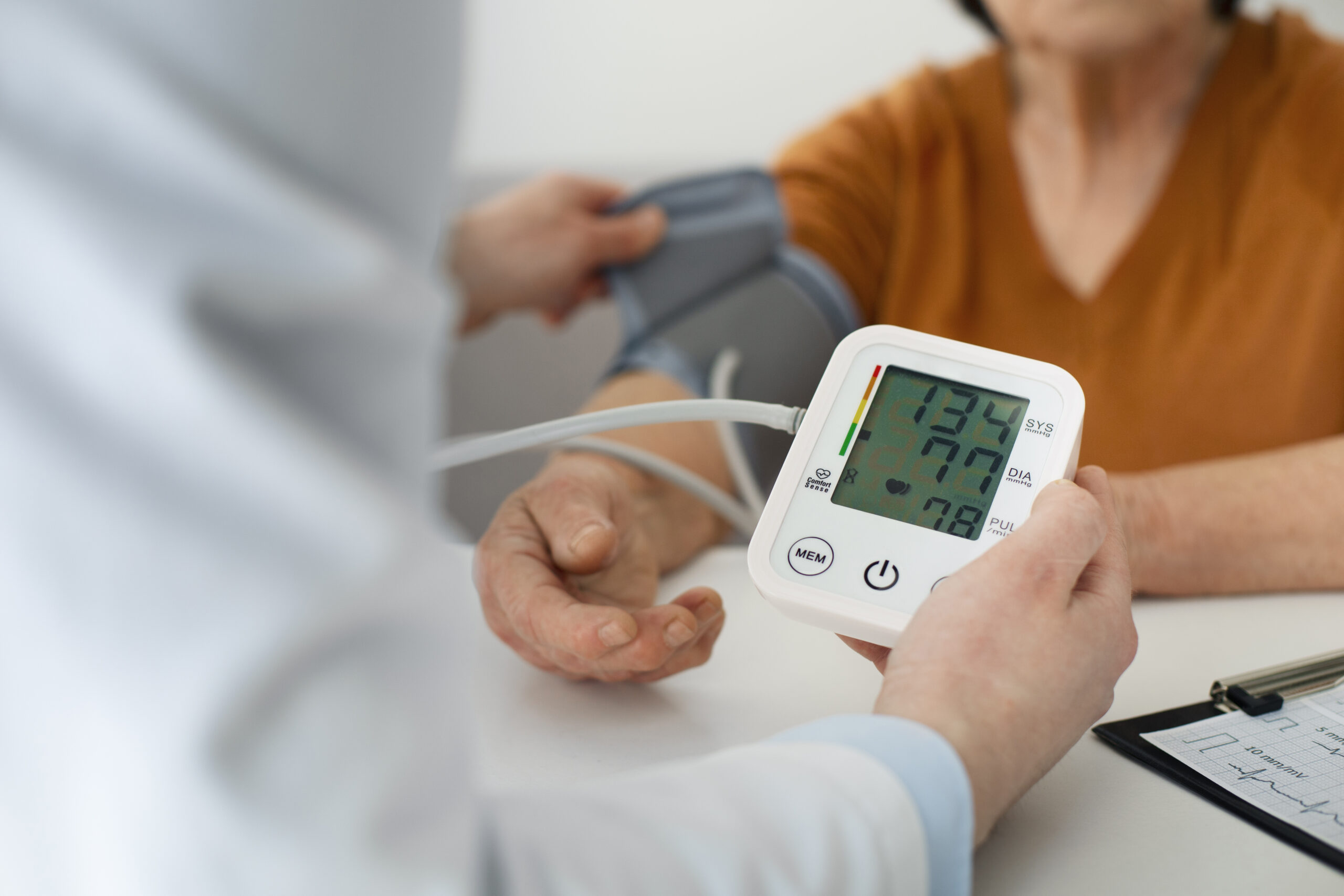
- Blood pressure measurement
- Laboratory investigations
- Individualised recommendations
After the results become available, your doctor explains what they mean and whether further evaluation or treatment is needed.
If a Problem Is Found, What Happens Next?
Finding an abnormal result does not necessarily mean serious disease.
Sometimes a result simply requires monitoring or repeating.
Where treatment is necessary, options may include:
Lifestyle Modification
Many conditions improve with:
- Healthier eating habits
- Weight management
- Regular exercise
- Smoking cessation
- Better sleep
- Stress management
Medication
If lifestyle measures alone are insufficient, medications may help reduce long-term complications.
For example, treating hypertension significantly lowers the risk of stroke, heart failure and kidney disease.
Patients seeking a hypertension specialist in Singapore often ask whether medication will be lifelong. The answer depends on several factors, including the severity of hypertension, lifestyle improvements and overall cardiovascular risk. Every treatment plan should be individualised.
Common Myths About Health Screenings
Myth 1: “I feel healthy, so I don’t need screening.”
Many chronic illnesses remain symptom-free for years.
Feeling well does not always mean everything is normal.
Myth 2: “Only elderly people need annual check-ups.”
Adults of all ages benefit from preventive healthcare, especially those with family histories or lifestyle-related risk factors.
Myth 3: “If my blood tests were normal last year, I can skip this year.”
Health changes over time.
Regular monitoring helps identify new problems as they develop.
Myth 4: “High blood pressure always causes headaches.”
This is one of the most common misconceptions I hear.
Most patients with hypertension experience no symptoms at all.
When Should You See a Doctor Rather Than Wait for Your Next Screening?
Arrange a medical consultation sooner if you:
- Notice new or persistent symptoms
- Have repeatedly elevated blood pressure readings
- Have a strong family history of cardiovascular disease
- Develop diabetes or kidney disease
- Experience chest pain or breathlessness
- Have abnormal screening results requiring further assessment
If you have concerns about blood pressure, consulting a hypertension specialist in Singapore can help clarify your diagnosis and develop an appropriate management plan.
Looking Beyond Numbers
A meaningful consultation goes beyond reviewing laboratory results.
During appointments, we discuss daily habits, work pressures, sleep quality, exercise, diet and long-term goals.
Often, patients tell me they appreciate finally understanding how different aspects of their health fit together.
Preventive medicine is not simply about treating disease—it is about helping people remain healthy for as long as possible.
Related Services That May Support Your Health
Depending on your individual needs, you may also benefit from:
- Comprehensive health screening
- Hypertension management
- Internal medicine consultation
- Diabetes management
- Cholesterol management
- Cardiovascular risk assessment
- Preventive healthcare programmes
For individuals with persistent high blood pressure or multiple cardiovascular risk factors, seeing a hypertension specialist in Singapore can provide more detailed evaluation and personalised treatment strategies.
Key Takeaways
- Many serious diseases develop without obvious symptoms.
- Annual health screenings help detect problems before complications occur.
- High blood pressure, diabetes and cholesterol disorders often progress silently.
- Early diagnosis allows earlier treatment and better long-term outcomes.
- Healthy lifestyle choices remain the foundation of chronic disease prevention.
- Regular medical reviews help monitor existing conditions and reduce future health risks.
Frequently Asked Questions
1. At what age should I start annual health screenings?
There is no single age that suits everyone. Adults with risk factors such as obesity, smoking or a family history of chronic disease may benefit from earlier screening. Many healthy adults begin regular screenings from their forties, although younger individuals may also require assessments based on their personal risk profile.
2. How long does a health screening usually take?
Most health screening appointments take between 30 minutes and one hour, depending on the tests required. Some blood tests require fasting, and your doctor will advise you beforehand if this is necessary.
3. Can annual screenings prevent disease?
Screenings themselves do not prevent disease, but they identify problems early enough for effective treatment. Early intervention often prevents complications that might otherwise develop over time.
4. Is high blood pressure always detected during screening?
Blood pressure measurement is a routine part of most screenings. However, some people have fluctuating readings, so additional home monitoring or ambulatory blood pressure monitoring may sometimes be recommended.
5. Do I need screening if I exercise regularly?
Yes. Regular exercise is beneficial, but physically active people can still develop conditions such as hypertension, diabetes or high cholesterol. Screening provides reassurance and helps detect unexpected problems.
6. Should I fast before my appointment?
Certain blood tests, particularly cholesterol and glucose assessments, may require fasting. Your clinic will provide specific instructions based on the investigations planned.
7. How often should I repeat my screening?
For many adults, annual screening is appropriate. However, people with chronic illnesses or higher cardiovascular risk may require more frequent monitoring based on their doctor’s recommendations.
8. What if one of my results is abnormal?
An abnormal result does not necessarily indicate serious disease. Your doctor will interpret the findings in the context of your overall health and advise whether further testing, monitoring or treatment is needed.
9. Can stress affect my screening results?
Stress may temporarily raise blood pressure and influence certain measurements. It is helpful to arrive well-rested and relaxed where possible, although your doctor will consider these factors when interpreting results.
10. Why should I continue screening if previous results were normal?
Health changes naturally with age, lifestyle and family history. Regular screening allows new conditions to be identified early, even if previous assessments showed no concerns.
Take the First Step Towards Better Health
Your health today shapes your health in the years ahead. Annual health screenings offer an opportunity to detect silent conditions early, understand your individual risk factors and make informed decisions about your wellbeing.
If you are due for a health screening, have concerns about high blood pressure or would like a personalised assessment of your cardiovascular health, I would be pleased to discuss your health goals with you. Book a consultation with Dr. Adrian Mondry at Kaizen Medical to receive an evidence-based, personalised plan focused on prevention, early detection and long-term health.