

Many patients assume heart disease begins when chest pain starts. In reality, the process often begins many years earlier.
High blood pressure, elevated cholesterol, diabetes, smoking and other cardiovascular risk factors can gradually damage the arteries without causing obvious symptoms. A person may feel perfectly well while their risk of heart attack or stroke is steadily increasing.
In my clinical practice, one of the most useful conversations I can have with a patient is not simply, “Are your test results normal?” but rather, “What is your overall cardiovascular risk?”
Understanding your risk factors gives you an opportunity to act before heart disease becomes a medical emergency. Some risks cannot be changed, such as age and family history. Many others can be improved significantly through lifestyle changes, appropriate medical treatment and regular monitoring.
What Do We Mean by Heart Disease?
Heart disease is a broad term covering several conditions affecting the heart and blood vessels.
One of the most common is coronary artery disease. This develops when fatty deposits, known as plaque, accumulate within the arteries supplying blood to the heart.
Over time, these arteries may become narrowed. If a plaque suddenly ruptures and a blood clot forms, blood flow to part of the heart can become blocked, resulting in a heart attack.
Cardiovascular disease also includes conditions affecting blood vessels elsewhere in the body and is closely linked to stroke.
The important point is that this process does not usually happen overnight. Risk develops over years, which is why prevention matters.
What Is a Heart Disease Risk Factor?
A risk factor is something that increases your likelihood of developing cardiovascular disease.
Having one risk factor does not mean you will definitely have a heart attack. Similarly, having no obvious symptoms does not mean your cardiovascular risk is low.
Risk factors tend to interact.
For example, someone who has hypertension, diabetes and high cholesterol generally faces considerably greater cardiovascular risk than someone with only one mildly abnormal measurement.
This is why doctors assess the whole patient rather than treating individual numbers in isolation.
1. High Blood Pressure
High blood pressure, or hypertension, is one of the most important modifiable cardiovascular risk factors.
The difficulty is that hypertension usually causes no symptoms.
Many patients tell me they assumed their blood pressure was normal because they did not experience headaches or dizziness. Unfortunately, symptoms are not a reliable way to detect hypertension.
Persistently elevated pressure places additional strain on the arteries and heart. Over time, this can contribute to:
- Coronary artery disease
- Heart attack
- Stroke
- Heart failure
- Kidney disease
- Damage to blood vessels in the eyes
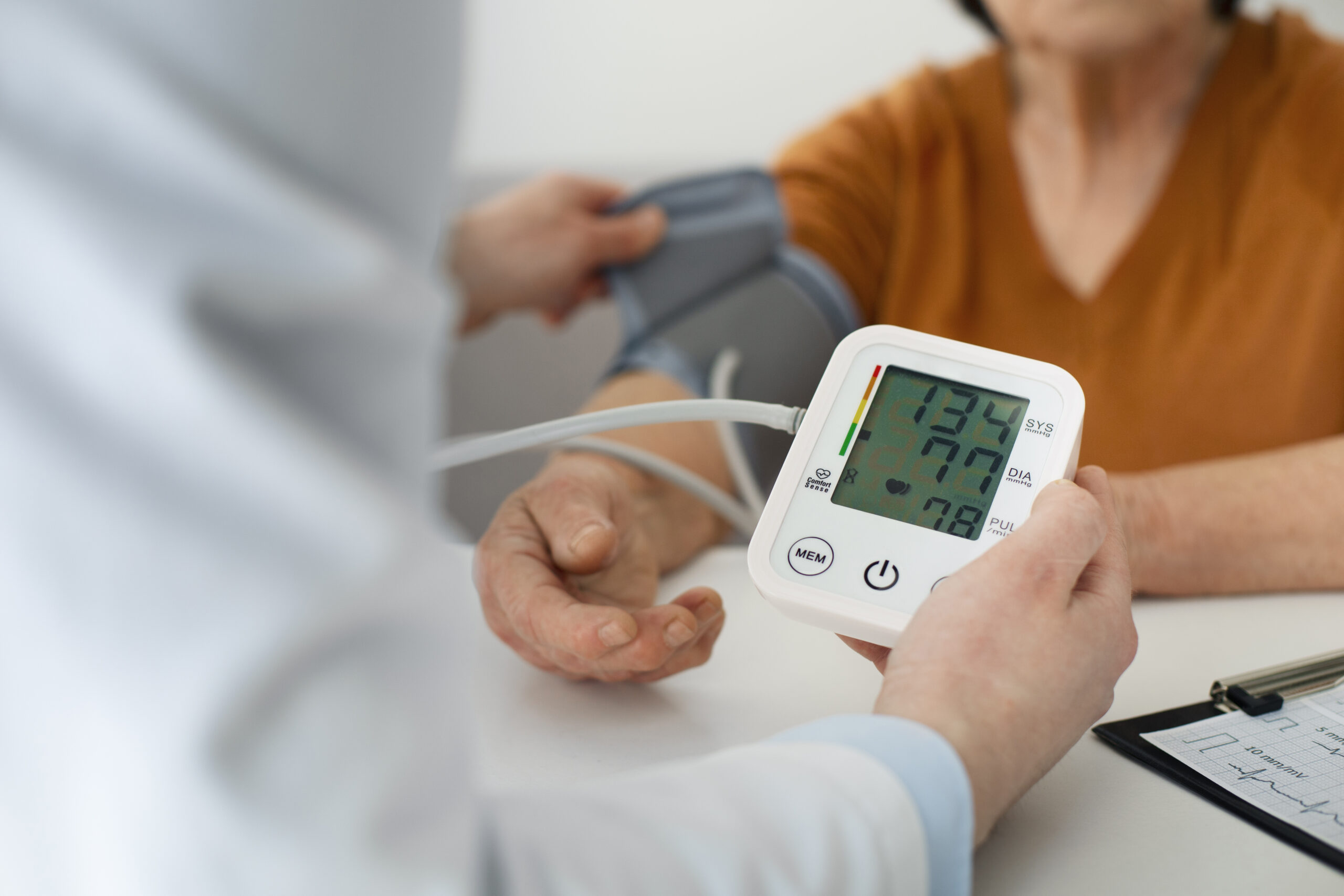
If blood pressure readings remain elevated, proper assessment is important. A hypertension specialist in Singapore may use home blood pressure readings or 24-hour ambulatory monitoring to understand whether blood pressure remains elevated throughout the day and night.
Good blood pressure management is one of the most effective ways to reduce long-term cardiovascular risk.
2. High Cholesterol
Cholesterol itself is not inherently harmful. Your body needs cholesterol for several important functions.
The problem occurs when certain cholesterol-containing particles, particularly LDL cholesterol, remain elevated over time.
LDL cholesterol contributes to the development of plaque inside artery walls. This process, called atherosclerosis, can gradually narrow the arteries and increase the risk of heart attack and stroke.
High cholesterol usually causes no symptoms.
You cannot tell whether your cholesterol is elevated by how fit you feel or how much you weigh.
A blood test is required.
Treatment depends on your cholesterol level and your overall cardiovascular risk. Some patients can initially focus on lifestyle measures, while others benefit from cholesterol-lowering medication.
3. Diabetes and High Blood Sugar
Diabetes significantly increases cardiovascular risk.
Persistently elevated blood glucose can damage blood vessels and contribute to inflammation and atherosclerosis.
People with diabetes frequently have other cardiovascular risk factors as well, including:
- Hypertension
- Abnormal cholesterol
- Excess abdominal weight
- Kidney disease
This combination can substantially increase the likelihood of heart disease.
The concerning part is that type 2 diabetes may remain undiagnosed for years.
Regular screening is therefore important, particularly if you are overweight, have a family history of diabetes or have other cardiovascular risk factors.
4. Smoking
Smoking is one of the most preventable causes of cardiovascular disease.
Tobacco smoke damages blood vessels, promotes inflammation and makes blood more likely to clot. These effects significantly increase the risk of heart attack and stroke.
There is also a common misconception that occasional or social smoking is relatively harmless.
From a cardiovascular perspective, there is no safe level of cigarette smoking.
Quitting can produce meaningful health benefits, regardless of how long you have smoked.
If stopping feels difficult, speak with your doctor. Smoking dependence is treatable, and professional support can improve your chances of quitting successfully.
5. Being Overweight, Particularly Around the Waist
Body weight alone does not determine cardiovascular health, but excess body fat, particularly around the abdomen, is associated with several metabolic problems.
These include:
- Insulin resistance
- Type 2 diabetes
- High blood pressure
- Abnormal cholesterol
- Fatty liver disease
Even modest weight reduction can improve blood pressure, blood glucose and cholesterol in some individuals.
The goal should not be rapid or extreme weight loss.
Sustainable changes in food choices, portion sizes, activity and sleep are generally more useful than restrictive diets that are difficult to maintain.
6. Physical Inactivity
Many Singapore professionals spend much of their working day sitting.
Meetings, desk work, commuting and evening screen time can result in surprisingly little movement.
Regular physical activity helps:
- Improve cardiovascular fitness
- Lower blood pressure
- Improve insulin sensitivity
- Support healthy weight
- Improve cholesterol levels
- Reduce stress
For most adults, working towards at least 150 minutes of moderate-intensity activity each week is a sensible target.
You do not need to become an athlete.
Brisk walking, swimming, cycling and other activities you genuinely enjoy can all contribute.
7. An Unhealthy Diet
Diet influences several cardiovascular risk factors simultaneously.
Frequent consumption of foods high in sodium, saturated fat, refined carbohydrates and added sugar may contribute to hypertension, obesity, diabetes and abnormal cholesterol.
In Singapore, eating out is part of everyday life for many people. Heart-healthy eating therefore needs to work in hawker centres, food courts and restaurants, not only in your own kitchen.
Practical choices include:
- Eating more vegetables and fruit
- Choosing whole grains when possible
- Selecting fish and lean protein more often
- Limiting processed meats
- Reducing deep-fried foods
- Asking for less sauce or gravy
- Avoiding excessive soup consumption if it is high in sodium
- Choosing water instead of sweetened beverages
- Watching portion sizes
You do not need to eat perfectly at every meal. Consistency matters far more.
8. Excessive Alcohol Consumption
Some people still believe alcohol is necessary for heart health.
I would not recommend starting to drink alcohol for cardiovascular protection.
Excessive alcohol consumption can raise blood pressure, contribute to weight gain and increase the risk of several other medical conditions.
If you drink, moderation is important.
For people with hypertension, liver disease, certain heart rhythm problems or other medical conditions, further restriction may be appropriate.
9. Poor Sleep and Sleep Apnoea
Sleep is frequently overlooked when discussing cardiovascular health.
Repeatedly getting inadequate sleep can affect blood pressure, appetite, glucose regulation and general wellbeing.
Another important condition is obstructive sleep apnoea.
People with sleep apnoea repeatedly stop breathing for short periods during sleep. This can cause oxygen levels to fall and place significant stress on the cardiovascular system.
Possible warning signs include:
- Loud snoring
- Witnessed pauses in breathing
- Waking unrefreshed
- Morning headaches
- Excessive daytime sleepiness
Sleep apnoea is particularly important to consider in people whose hypertension remains difficult to control despite treatment.
10. Chronic Stress
Stress is part of life, particularly in a busy city such as Singapore.
Stress can temporarily increase blood pressure, but its indirect effects are equally important.
Under prolonged stress, people may:
- Exercise less
- Sleep poorly
- Eat more convenience food
- Smoke
- Drink more alcohol
- Skip medical appointments
One mistake is assuming that high blood pressure is “just stress”.
Persistent hypertension still needs appropriate assessment.
A consultation with a hypertension specialist in Singapore may help distinguish temporary blood pressure elevations from sustained hypertension requiring treatment.
Risk Factors You Cannot Change
Not every cardiovascular risk factor is within your control.
Age
Cardiovascular risk generally increases with age as arteries naturally undergo changes over time.
Family History
Having a close relative who developed cardiovascular disease at a relatively young age may increase your own risk.
This does not mean heart disease is inevitable.
It means you should pay closer attention to the risk factors you can modify.
Genetics
Some individuals inherit conditions that significantly affect cholesterol or other cardiovascular risk factors.
Familial hypercholesterolaemia, for example, can cause very high LDL cholesterol from a young age and requires appropriate medical management.
How Doctors Assess Your Overall Cardiovascular Risk
Cardiovascular assessment involves much more than looking at one cholesterol result.
Depending on the individual, I may consider:
- Age
- Blood pressure
- Cholesterol profile
- Diabetes status
- Smoking history
- Kidney function
- Body weight and waist circumference
- Family history
- Physical activity
- Existing cardiovascular disease
Sometimes additional investigations are appropriate, but more testing is not automatically better.
Tests should answer a meaningful clinical question and ideally influence what we do next.
Common Myths About Heart Disease Risk
“I am slim, so I cannot have heart disease.”
Thin people can still have hypertension, diabetes, high cholesterol or a strong genetic risk.
“My cholesterol is normal, so my heart is healthy.”
Cholesterol is only one part of cardiovascular risk.
“High blood pressure always causes symptoms.”
Usually it does not.
“Heart disease only affects older people.”
Although risk increases with age, cardiovascular disease can occur in younger adults, particularly when significant risk factors are present.
“If heart disease runs in my family, there is nothing I can do.”
Family history matters, but controlling blood pressure, cholesterol, diabetes, smoking and other modifiable risks can still make a substantial difference.
When Should You Consult a Doctor?
Consider medical assessment if you:
- Have repeatedly elevated blood pressure
- Have high cholesterol or diabetes
- Smoke
- Have several cardiovascular risk factors
- Have a strong family history of premature heart disease
- Have kidney disease
- Have unexplained breathlessness or reduced exercise tolerance
- Have concerns about your overall cardiovascular risk
Chest pressure, severe chest pain, sudden breathlessness, fainting or symptoms suggesting a heart attack or stroke require urgent medical attention.
For people with persistent or difficult-to-control hypertension, consultation with a hypertension specialist in Singapore may help identify contributing factors and establish an appropriate long-term treatment plan.
Key Takeaways
Your heart disease risk is determined by a combination of factors rather than one single number.
Some factors, such as age, genetics and family history, cannot be changed. Others can be significantly improved.
Focus on what you can control:
- Keep blood pressure within an appropriate range
- Manage cholesterol
- Screen for diabetes
- Stop smoking
- Exercise regularly
- Maintain a healthy weight
- Improve food choices
- Sleep adequately
- Moderate alcohol consumption
- Attend regular health screenings
Prevention works best when it begins before symptoms appear.
Frequently Asked Questions
1. Can I have heart disease even if I feel completely healthy?
Yes. Early cardiovascular disease and many of its major risk factors can exist without symptoms. Hypertension, high cholesterol and type 2 diabetes may remain silent for years. This is why preventive health assessments are valuable even when you feel well, particularly if you have a family history or other known risk factors.
2. Which heart disease risk factor is the most dangerous?
There is no single answer because cardiovascular risk depends on the combination and severity of your risk factors. Smoking, hypertension, diabetes and significantly elevated LDL cholesterol are all important. Having several together increases risk considerably. Rather than identifying one “worst” factor, it is more useful to assess and manage your overall cardiovascular risk.
3. How do I know if my blood pressure is genuinely high?
One elevated reading is not always enough to diagnose hypertension. Blood pressure can change with stress, caffeine, activity and the clinical environment. Your doctor may recommend repeated measurements at home or 24-hour ambulatory blood pressure monitoring to obtain a more reliable picture before confirming a diagnosis.
4. Does family history mean I will eventually develop heart disease?
No. Family history increases risk but does not determine your future. Knowing your family history can actually be useful because it allows earlier screening and more careful management of modifiable factors such as blood pressure, cholesterol, diabetes, smoking, diet and physical activity.
5. Can heart disease risk be reversed?
Some risk factors can improve substantially. Blood pressure can be controlled, smoking can be stopped, cholesterol can be lowered and diabetes can be better managed. Existing plaque inside arteries may not simply disappear, but reducing risk factors can lower the likelihood of future cardiovascular events and slow disease progression.
6. Are heart screening packages necessary every year?
Not everyone needs an extensive package of cardiac investigations annually. Screening should be based on your age, symptoms, medical history and cardiovascular risk. Routine blood pressure, cholesterol and diabetes assessments may be appropriate, while specialised cardiac tests should generally have a clear clinical reason.
7. Does eating eggs cause heart disease?
For most people, heart health cannot be reduced to one food. The overall dietary pattern matters more. A diet high in processed foods, saturated fats, refined carbohydrates and excess calories is more concerning than occasionally eating a particular food. Individual advice may differ for patients with specific cholesterol disorders or other medical conditions.
8. How much exercise do I need to protect my heart?
For most adults, a reasonable goal is at least 150 minutes of moderate-intensity aerobic activity each week, alongside muscle-strengthening activities. If you have been inactive for a long time or have existing cardiovascular conditions, discuss your exercise plans with your doctor before beginning vigorous activity.
9. Can hypertension medication reduce my heart attack risk?
Controlling high blood pressure reduces the risk of cardiovascular complications, including heart attack and stroke. Lifestyle changes remain important, but medication may be necessary when blood pressure remains elevated or cardiovascular risk is significant. The appropriate treatment depends on your readings, age, other medical conditions and overall risk profile.
10. How often should I assess my cardiovascular risk?
The appropriate interval depends on your age and health. Someone with hypertension, diabetes or high cholesterol may require regular follow-up, while a younger person with normal results may need less frequent testing. Your doctor can recommend a screening schedule based on your individual circumstances rather than relying on a standard package.
Understand Your Risk Before It Becomes Disease
Heart disease prevention begins with understanding your individual risk rather than waiting for symptoms.
At Kaizen Medical, cardiovascular risk assessment can be incorporated into health screening, internal medicine consultation, hypertension management, diabetes management, cholesterol management and preventive healthcare.
If you have high blood pressure, abnormal cholesterol, diabetes, a strong family history of cardiovascular disease or simply want a clearer understanding of your heart health, consider booking a consultation with Dr. Adrian Mondry at Kaizen Medical.
A thoughtful assessment can identify which risk factors deserve attention now and help you build a practical long-term plan to protect your heart.