

You may be 40 years old, but could your heart and blood vessels be behaving like those of someone aged 55 or 60?
It might sound surprising, but your heart does not necessarily age at the same rate as the rest of your body. While your chronological age tells you how many years you have lived, your cardiovascular health reflects how well your heart and blood vessels have functioned over time.
Factors such as high blood pressure, diabetes, high cholesterol, smoking, excess body weight and physical inactivity can accelerate cardiovascular ageing. Over time, these factors may contribute to stiffened arteries, damage to blood vessels and an increased risk of heart attacks and strokes.
The important thing to understand is that cardiovascular ageing is not simply an inevitable consequence of getting older. Many of the factors that influence it can be identified and managed.
For people living in Singapore, where hypertension, diabetes and high cholesterol remain important public health concerns, understanding cardiovascular ageing is an important part of preventive healthcare.
As an internal medicine doctor in Singapore, I believe that understanding your cardiovascular risk early can help you make better decisions about your long-term health.
Let’s explore what cardiovascular ageing means, what causes it and how you can protect your heart.
What Is Cardiovascular Ageing?
Cardiovascular ageing refers to the gradual changes that occur in the heart, arteries and blood vessels as we grow older.
As part of the natural ageing process:
- Blood vessels gradually become less elastic.
- Arteries may become stiffer.
- The heart muscle may undergo structural changes.
- The cardiovascular system may become less efficient at responding to physical demands.
- The risk of cardiovascular conditions generally increases.
However, biological cardiovascular ageing does not always correspond to chronological age.
For example, two people who are both 50 years old may have very different cardiovascular health profiles.
One may have healthy blood pressure, normal cholesterol, good blood glucose control and an active lifestyle. The other may have longstanding hypertension, diabetes, high cholesterol and a history of smoking.
Although their chronological ages are identical, their cardiovascular risk may be significantly different.
This is where the concept of heart age or cardiovascular age becomes useful.
What Is Heart Age, and How Is It Different from Your Actual Age?
Heart age is a way of communicating cardiovascular risk by comparing an individual’s estimated risk with the risk typically associated with a particular age.
For example, someone who is 45 years old may have a cardiovascular risk profile comparable to that of an older person.
This does not mean that their heart has literally aged by 15 years. Instead, it suggests that their combination of risk factors may place them at a higher risk of cardiovascular disease than would normally be expected for someone of their chronological age.
Heart age assessments may consider factors such as:
- Actual age
- Blood pressure
- Cholesterol levels
- Smoking status
- Diabetes
- Body weight
- Family history of cardiovascular disease
Different calculators use different algorithms and populations. Therefore, a heart age result should be treated as an educational estimate rather than a medical diagnosis.
It is also important to distinguish between heart age and cardiovascular risk scores. A risk score estimates the probability of developing a cardiovascular event over a defined period, while heart age translates risk into a more familiar age comparison.
For patients in Singapore, cardiovascular risk assessment should use an appropriate clinical approach, rather than relying solely on overseas online calculators.
5. What Causes Your Heart to Age Faster?
Several risk factors can contribute to premature cardiovascular ageing. Some cannot be changed, but many can be managed through lifestyle adjustments and appropriate medical care.
1. High Blood Pressure (Hypertension)
High blood pressure is one of the most important contributors to cardiovascular ageing.
When blood pressure remains elevated over an extended period, the heart has to work harder to pump blood through the arteries.
This additional workload can cause the heart muscle to thicken, a condition known as left ventricular hypertrophy.
Longstanding hypertension can also damage the inner lining of blood vessels, contribute to arterial stiffness and increase the risk of heart failure, stroke and kidney disease.
One concern is that hypertension often develops without noticeable symptoms. A person may feel perfectly healthy while their blood pressure remains consistently elevated.
This is why regular blood pressure monitoring is important, particularly for adults with additional cardiovascular risk factors.
Singapore’s Agency for Care Effectiveness (ACE) provides clinical guidance on assessing and managing hypertension, including cardiovascular risk assessment and appropriate monitoring.
2. High Cholesterol
Cholesterol is a fatty substance that the body needs for various functions. However, excessive levels of low-density lipoprotein (LDL) cholesterol can contribute to plaque accumulation within artery walls.
This process is called atherosclerosis.
As plaque builds up, arteries may become narrower and less flexible, restricting blood flow to important organs.
If a plaque ruptures, a blood clot may form and block an artery, potentially causing a heart attack or stroke.
Importantly, high cholesterol usually does not cause obvious symptoms. Blood testing is therefore an important part of assessing cardiovascular risk.
3. Diabetes and Insulin Resistance
Diabetes can accelerate damage to blood vessels throughout the body.
Persistently elevated blood glucose can affect the blood vessel lining, contribute to inflammation and increase the risk of atherosclerosis.
People with diabetes are also more likely to have other cardiovascular risk factors, including hypertension and abnormal cholesterol levels.
This combination can significantly increase the risk of cardiovascular complications.
For this reason, monitoring blood glucose and HbA1c is an important part of long-term cardiovascular prevention.
4. Smoking
Smoking exposes the cardiovascular system to harmful chemicals that can damage blood vessels.
It can contribute to:
- Reduced blood vessel function
- Increased blood clot formation
- Arterial inflammation
- Increased cardiovascular risk
Even people who smoke occasionally should not assume that their cardiovascular risk is negligible.
Quitting smoking is one of the most important steps a person can take to improve their cardiovascular health.
5. Excess Body Weight and Physical Inactivity
Excess body weight, particularly abdominal fat, is associated with increased cardiovascular risk.
It can contribute to hypertension, insulin resistance, diabetes and abnormal cholesterol levels.
A sedentary lifestyle can further compound these problems.
Regular physical activity helps improve cardiovascular fitness, support healthy blood pressure, improve metabolic health and maintain a healthy body weight.
In Singapore, where many people spend long hours sitting at work, making time for regular movement is particularly important.
6. Chronic Stress and Poor Sleep
Long-term stress and inadequate sleep can influence cardiovascular health.
Poor sleep may contribute to elevated blood pressure, metabolic disturbances and difficulty maintaining healthy lifestyle habits.
Conditions such as obstructive sleep apnoea are also associated with hypertension and increased cardiovascular risk.
People who snore heavily, experience interrupted breathing during sleep or feel excessively tired during the day may benefit from medical assessment.
Stress management and good sleep habits should therefore form part of a broader cardiovascular prevention strategy.
6. How Can You Tell If Your Heart Is Ageing Faster?
There is no single test that can accurately measure your overall cardiovascular age.
Instead, doctors assess a combination of risk factors, clinical findings and, where appropriate, investigations.
Some of the important assessments include:
Blood Pressure Measurement
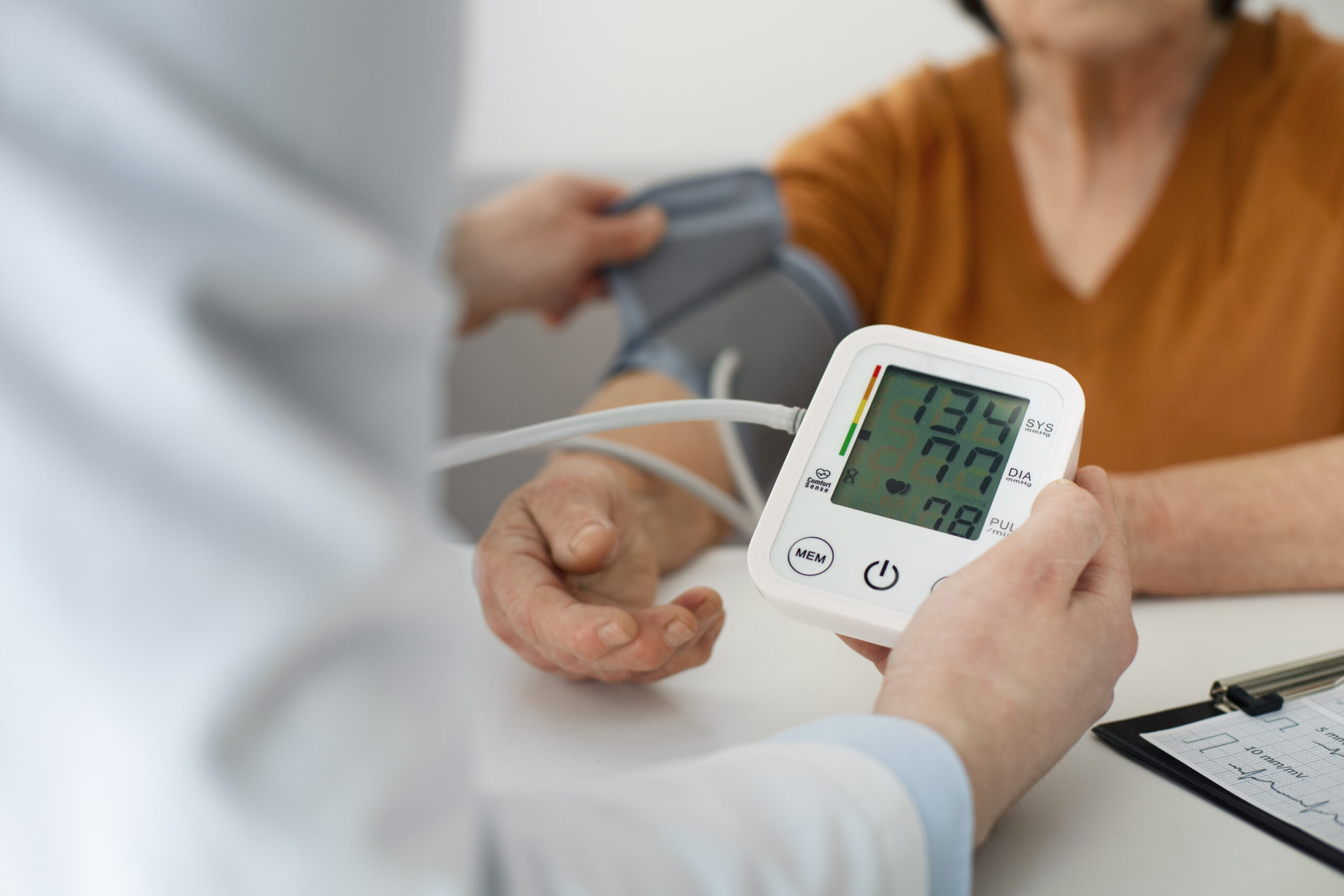
Blood pressure is one of the most important indicators of cardiovascular health.
Repeated elevated readings may indicate hypertension, which can increase the workload on the heart and damage blood vessels over time.
Home blood pressure monitoring can also help doctors understand how blood pressure behaves outside the clinic.
Cholesterol Profile
A lipid profile measures different types of cholesterol and triglycerides.
LDL cholesterol is particularly important because elevated levels contribute to atherosclerosis.
The appropriate cholesterol target depends on the person’s overall cardiovascular risk and medical history.
Blood Glucose and HbA1c
These tests help identify diabetes and assess long-term blood glucose control.
Early identification of abnormal glucose levels can help prevent or reduce complications.
Kidney Function Tests
Kidneys and cardiovascular health are closely connected.
Blood tests such as creatinine and estimated glomerular filtration rate (eGFR), together with urine albumin-to-creatinine ratio (UACR), can help identify kidney problems associated with hypertension and diabetes.
Electrocardiogram (ECG)
An ECG records the electrical activity of the heart.
It can help identify certain heart rhythm abnormalities and provide evidence of possible structural changes associated with longstanding hypertension.
Additional Cardiac Investigations
Depending on the patient’s symptoms and clinical findings, a doctor may recommend an echocardiogram, stress test or other investigations.
However, not everyone requires advanced cardiac imaging.
The decision should be based on individual risk factors, symptoms and clinical assessment.
7. Who Is at Higher Risk of Premature Cardiovascular Ageing?
Although cardiovascular ageing can affect anyone, certain people may have a higher risk of developing cardiovascular problems earlier in life.
You should pay particular attention to cardiovascular health if you:
- Have high blood pressure, particularly if it is poorly controlled.
- Have diabetes or prediabetes.
- Have high LDL cholesterol.
- Smoke or have a history of smoking.
- Have excess abdominal fat.
- Have a family history of premature heart disease.
- Have chronic kidney disease.
- Lead a largely sedentary lifestyle.
- Have sleep apnoea or persistent sleep problems.
Age and family history are non-modifiable risk factors. However, many other contributors can be addressed.
Singapore’s National Population Health Survey 2024, published by MOH in October 2025, reported that approximately one in three residents continued to have hypertension and one in three had hyperlipidaemia. Obesity was also identified as a growing concern.
These findings reinforce why cardiovascular prevention should not be postponed until someone develops symptoms.
8. Can You Reverse or Slow Down Cardiovascular Ageing?
You cannot stop natural ageing, but you can often improve important cardiovascular risk factors and reduce the likelihood of future complications.
The earlier you address these factors, the more opportunity you have to protect your long-term cardiovascular health.
Here are some practical steps.
Maintain Healthy Blood Pressure
Regularly monitor your blood pressure, particularly if you have hypertension or a family history of cardiovascular disease.
If you have consistently elevated readings, consult a doctor for proper assessment.
Reducing excessive salt intake, maintaining a healthy weight, exercising regularly and following an appropriate treatment plan can help manage blood pressure.
Eat a Heart-Healthy Diet
Your everyday eating habits influence cardiovascular health.
Consider:
- Eating more vegetables and fruits.
- Including whole grains and legumes.
- Choosing fish and other lean protein sources.
- Reducing processed foods.
- Limiting foods high in saturated and trans fats.
- Reducing excessive salt intake.
For people in Singapore, this may mean making healthier choices when eating at hawker centres, food courts and restaurants.
For example, choosing less gravy, reducing processed meats and including vegetables with meals can be useful practical changes.
Exercise Regularly
Adults should aim for at least 150 minutes of moderate-intensity aerobic physical activity each week, alongside muscle-strengthening activities on two or more days.
Examples include:
- Brisk walking
- Swimming
- Cycling
- Dancing
- Strength training
You do not necessarily need an expensive gym membership.
Regular walks in neighbourhood parks, along park connectors or around your estate can be a practical way to become more active.
If you have an existing heart condition or experience symptoms during exercise, discuss an appropriate activity level with your doctor first.
Maintain a Healthy Weight
Even modest improvements in body weight and waist circumference can positively influence blood pressure, glucose levels and cholesterol.
Rather than following extreme diets, focus on sustainable eating habits and consistent physical activity.
Prioritise Sleep
Aim for approximately seven to nine hours of sleep each night as an adult.
Maintain a regular sleep schedule and seek medical advice if you experience persistent snoring, interrupted breathing or excessive daytime sleepiness.
Avoid Smoking and Limit Alcohol
Stopping smoking can substantially improve cardiovascular health.
If you consume alcohol, avoid excessive intake. Alcohol is not recommended as a way to protect heart health.
9. When Should You Consult an Internal Medicine Doctor in Singapore?
Cardiovascular risk factors do not always produce obvious symptoms.
You may have high blood pressure, abnormal cholesterol or diabetes without feeling unwell.
An assessment by an internal medicine doctor in Singapore can help identify these underlying risk factors and evaluate how they may affect your cardiovascular health.
Consider seeking medical advice if:
- Your blood pressure readings are repeatedly elevated.
- You have diabetes or high cholesterol.
- You have a strong family history of early heart disease.
- You experience unexplained breathlessness or reduced exercise tolerance.
- You have persistent palpitations.
- You have multiple cardiovascular risk factors.
- You are concerned about your long-term heart health.
An internal medicine specialist can assess your overall medical history, identify related conditions and determine whether further cardiovascular investigations or specialist referrals are appropriate.
Important: If you experience chest pain or pressure, sudden severe breathlessness, fainting, or symptoms suggestive of a stroke, seek emergency medical attention. In Singapore, call 995 for an ambulance. Do not wait for a routine consultation.
The Bottom Line: Your Heart’s Health Is Not Determined by Your Age Alone
Your chronological age cannot be changed, but many of the factors that influence cardiovascular ageing can be managed.
High blood pressure, diabetes, high cholesterol, smoking, obesity and physical inactivity can contribute to premature damage to the heart and blood vessels.
The encouraging part is that identifying these risks early creates an opportunity to take action.
Rather than waiting for symptoms, focus on regular health assessments, appropriate blood tests, blood pressure monitoring and sustainable lifestyle changes.
For individuals with multiple risk factors or existing medical conditions, a consultation with an internal medicine doctor in Singapore can help provide a clearer understanding of their cardiovascular health and the steps needed to protect it.
Ultimately, the goal is not simply to live longer. It is to maintain a healthier heart and better quality of life as you grow older.
Medical disclaimer: This article is intended for general educational purposes and does not replace professional medical advice, diagnosis or treatment. Cardiovascular risk and appropriate investigations vary between individuals. Consult a qualified doctor for an assessment based on your medical history and health needs.
5. Frequently Asked Questions (FAQs)
1. Can your heart be older than your actual age?
Yes. Your cardiovascular risk profile may resemble that of someone considerably older than you. Factors such as hypertension, diabetes, smoking and high cholesterol can contribute to premature cardiovascular ageing.
2. What is a normal heart age?
There is no universally accepted normal heart age. Heart age is an estimate generated by specific risk assessment tools. It should be interpreted alongside your actual cardiovascular risk and medical history.
3. How can I calculate my heart age?
Some online calculators estimate heart age using information such as age, blood pressure, cholesterol, smoking status and diabetes. However, calculators developed for other countries may not accurately reflect the cardiovascular risk of people living in Singapore.
4. Does high blood pressure make your heart age faster?
Longstanding uncontrolled hypertension can increase the workload on the heart, contribute to arterial stiffness and damage blood vessels. Over time, this can increase the risk of heart failure, heart attacks and strokes.
5. Can cardiovascular ageing be reversed?
Natural ageing cannot be reversed. However, improving blood pressure, cholesterol, blood glucose, physical activity and other modifiable risk factors can improve cardiovascular health and reduce future risk.
6. At what age should I start worrying about heart health?
Cardiovascular health should be considered from early adulthood. Risk factors such as hypertension, smoking, diabetes and high cholesterol can develop well before old age. Early prevention is more useful than waiting for symptoms.
7. Which blood tests help assess cardiovascular health?
Common investigations include a lipid profile, blood glucose or HbA1c, kidney function tests and, where appropriate, other tests based on individual risk factors. Your doctor can determine which investigations are necessary.
8. Does exercise help reduce cardiovascular age?
Regular physical activity can improve blood pressure, cholesterol, insulin sensitivity, cardiovascular fitness and weight management. These improvements can positively influence your overall cardiovascular risk.
9. Can someone with normal cholesterol still have cardiovascular disease?
Yes. Normal cholesterol does not eliminate cardiovascular risk. Other factors, including hypertension, diabetes, smoking, family history and existing vascular disease, also influence the likelihood of cardiovascular complications.
10. When should I consult an internal medicine doctor in Singapore about heart health?
Consider an assessment if you have persistent high blood pressure, diabetes, high cholesterol, a family history of premature heart disease or multiple cardiovascular risk factors. An internal medicine doctor can evaluate your overall health and recommend appropriate preventive care.
6. Sources / References
The following authoritative sources support the medical information and Singapore-specific recommendations in this article.
1. Ministry of Health, Singapore (MOH)
National Population Health Survey 2024 Shows Singaporeans Are Adopting Healthier Lifestyles, but Rising Obesity Is a Concern
2. Agency for Care Effectiveness (ACE), Singapore
Hypertension – Tailoring the Management Plan to Optimise Blood Pressure Control
Read Hypertension Clinical Guideline
3. Agency for Care Effectiveness (ACE), Singapore
Lipid Management: Focus on Cardiovascular Risk
Read Lipid Management Guideline
4. Primary Care Pages, Singapore
Cardiovascular Risk Assessment (CVRA)
Includes Singapore’s cardiovascular risk assessment approach and the SG-FRS-2023 risk model.
Read Cardiovascular Risk Assessment
5. HealthHub Singapore
Understanding More About Healthier SG Screening
Read Health Screening Guidance
6. European Society of Cardiology (ESC)
2025 Focused Update of the ESC/EAS Guidelines for the Management of Dyslipidaemias
7. American Heart Association (AHA)
PREVENT Cardiovascular Risk Calculator
Provides information on cardiovascular risk estimation and the PREVENT-Age concept.
Read AHA Risk Assessment Guidance
8. National Health Service (NHS), UK
Calculate Your Heart Age
Explains the concept of heart age and how cardiovascular risk factors influence the calculation.