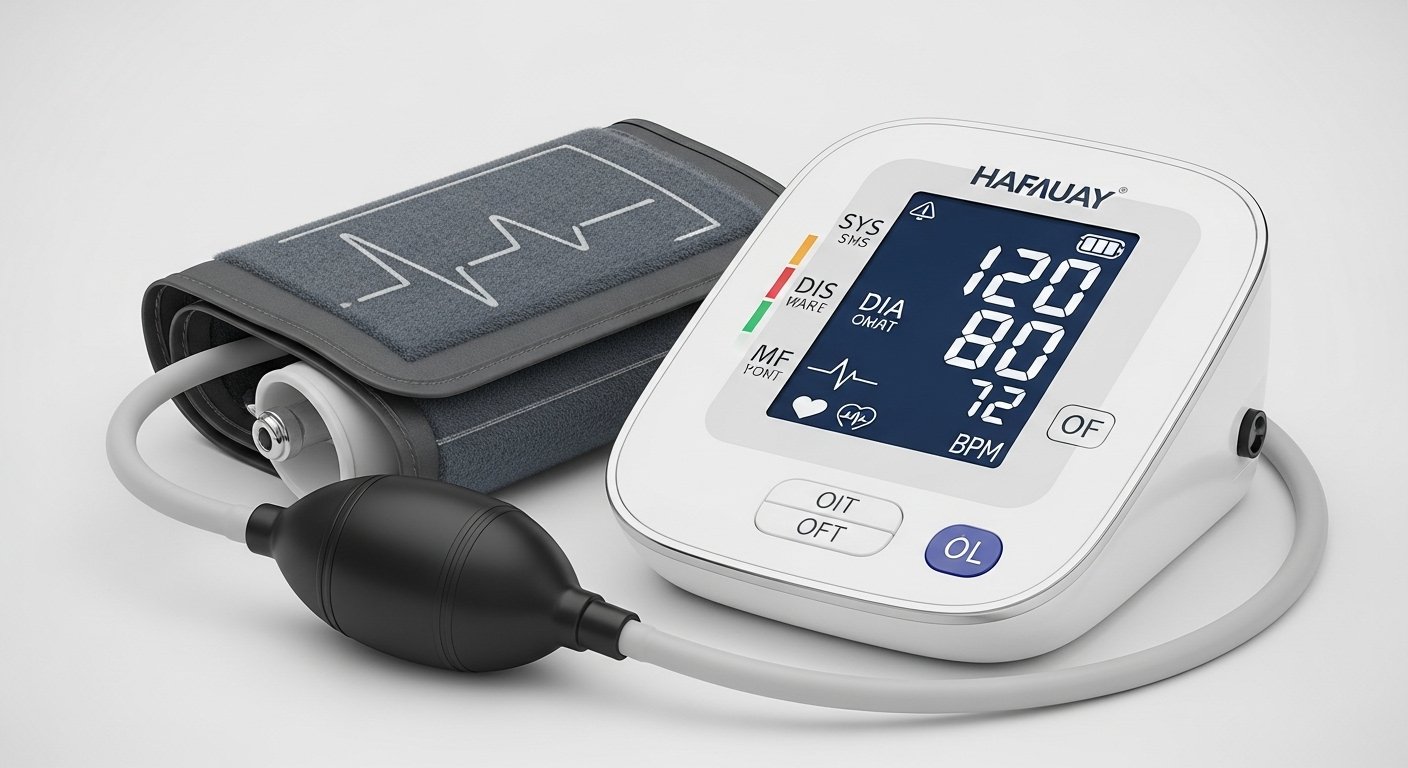

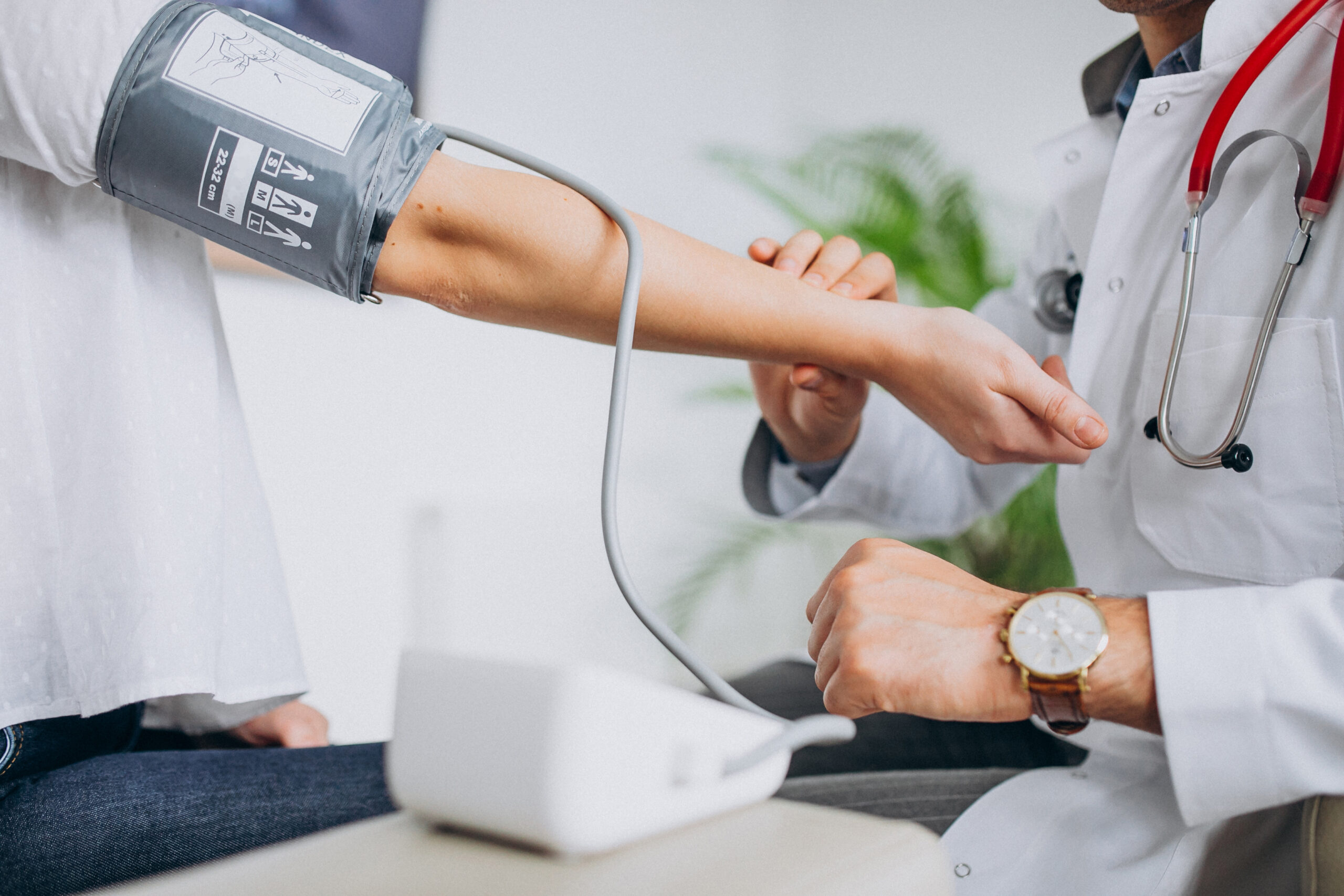
You have your blood pressure checked during a clinic visit, and the reading is higher than expected. Naturally, the first question is, “Do I have hypertension?” The answer isn’t always straightforward. Blood pressure changes throughout the day depending on your activity, stress levels, sleep, and even your surroundings.
This is where Ambulatory Blood Pressure Monitoring (ABPM) becomes invaluable. Rather than relying on a single reading taken in a medical setting, ABPM measures your blood pressure over 24 hours while you go about your normal daily routine. In my clinical practice, this test often provides a much clearer picture of a patient’s cardiovascular health and helps avoid unnecessary treatment or missed diagnoses.
What Is Ambulatory Blood Pressure Monitoring (ABPM)?
ABPM is a portable blood pressure monitoring test that records your blood pressure automatically every 15 to 30 minutes during the day and at regular intervals while you sleep.
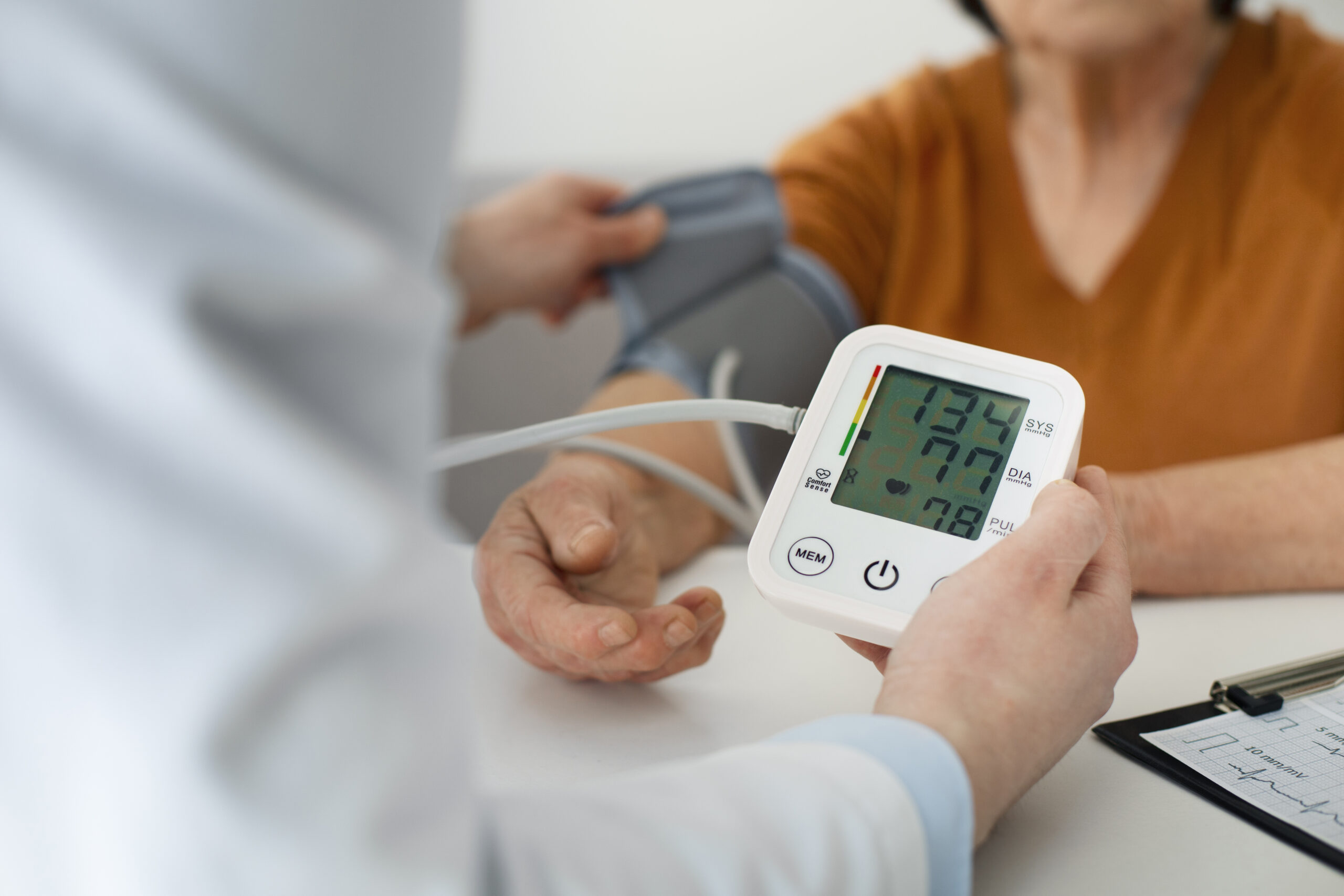
A lightweight monitor is attached to a cuff worn around your upper arm. You can continue with most of your usual daily activities, including going to work, commuting and sleeping at home.
Unlike a single clinic reading, ABPM allows your doctor to understand how your blood pressure behaves over an entire day and night.
Why Might Your Doctor Recommend ABPM?
Your doctor may suggest ABPM if:
- Your clinic blood pressure readings are consistently high.
- Your blood pressure readings vary significantly between visits.
- You experience dizziness after taking blood pressure medication.
- You have symptoms despite normal clinic readings.
- Your hypertension treatment needs further assessment.
- There is concern about white coat or masked hypertension.
For many working adults in Singapore, stress during a clinic appointment can temporarily raise blood pressure. ABPM helps distinguish this from genuine hypertension.
White Coat and Masked Hypertension
One common concern I hear is, “Doctor, I only get nervous in the clinic.”
This is known as white coat hypertension, where blood pressure rises in a medical environment but remains normal during everyday life. Without ABPM, some patients may be prescribed medication they do not actually need.
The opposite can also occur. Masked hypertension means blood pressure appears normal during a clinic visit but becomes elevated at home or during daily activities. Because it often goes unnoticed, it may increase the risk of heart disease, stroke and kidney problems if left untreated.
ABPM is one of the most reliable ways to identify both conditions.
What Should You Expect During the Test?
The monitor is fitted in the clinic and usually takes less than 15 minutes.
During the next 24 hours:
- Wear the monitor continuously.
- Continue your normal routine as much as possible.
- Avoid vigorous exercise unless advised otherwise.
- Keep your arm still while the cuff inflates.
- Record your activities, sleep and any symptoms in a diary if requested.
Most patients find the test mildly inconvenient rather than painful. The cuff may tighten during measurements, particularly at night, but the discomfort is temporary.
Why Night-Time Blood Pressure Matters
Many people are surprised to learn that healthy blood pressure usually falls while we sleep. Doctors refer to this as “night-time dipping.”
If blood pressure remains elevated throughout the night or even increases, it may suggest a higher risk of cardiovascular disease. It can also point towards conditions such as obstructive sleep apnoea, kidney disease or poorly controlled hypertension.
This valuable information simply cannot be obtained from a routine clinic measurement.
How ABPM Helps Guide Treatment
ABPM allows your doctor to make better-informed treatment decisions.
It can help:
- Confirm or exclude hypertension.
- Assess how well medication controls blood pressure throughout the day.
- Detect early morning blood pressure surges.
- Identify episodes of low blood pressure caused by medication.
- Reduce unnecessary treatment based on isolated clinic readings.
For patients already receiving hypertension treatment, the results often help fine-tune medication timing and dosage.
Lifestyle Still Matters
Whether your blood pressure is confirmed through ABPM or a clinic reading, healthy lifestyle habits remain essential.
These include:
- Limiting salt intake, especially from processed foods and some hawker meals.
- Eating a balanced diet rich in fruits and vegetables.
- Exercising regularly.
- Maintaining a healthy weight.
- Sleeping adequately.
- Limiting alcohol.
- Avoiding smoking.
- Attending regular health screenings.
These measures complement medical treatment and contribute to better long-term cardiovascular health.
Common Myths About ABPM
Myth: One normal clinic reading means my blood pressure is always normal.
Fact: Blood pressure naturally fluctuates throughout the day, which is why continuous monitoring may be necessary.
Myth: ABPM is only for elderly patients.
Fact: Adults of any age may benefit if their blood pressure readings are inconsistent or difficult to interpret.
Myth: The monitor is painful.
Fact: Most people experience only temporary pressure when the cuff inflates.
When Should You Consult a Doctor?
Consider seeking medical advice if:
- Your blood pressure readings are repeatedly high.
- Home and clinic readings differ significantly.
- You experience headaches, dizziness or blurred vision.
- You have diabetes, kidney disease or a family history of hypertension.
- Your blood pressure remains difficult to control despite medication.
An assessment by a hypertension specialist in Singapore can determine whether ABPM is appropriate and help develop a personalised treatment plan.
Key Takeaways
- ABPM measures blood pressure over 24 hours during your normal daily activities.
- It provides a more accurate picture than a single clinic reading.
- The test helps identify white coat hypertension and masked hypertension.
- Night-time blood pressure readings offer valuable information about cardiovascular risk.
- Results guide more accurate diagnosis and effective blood pressure management.
Depending on your health needs, your doctor may also recommend hypertension management, an internal medicine consultation, health screening, diabetes management, cholesterol management, and other preventive healthcare services to reduce your long-term cardiovascular risk.
Frequently Asked Questions
1. Is ABPM painful?
No. The cuff inflates regularly, creating temporary pressure around the arm. Most patients find it slightly uncomfortable but easily manageable for the 24-hour test.
2. Can I go to work while wearing the monitor?
Yes. Most people continue their usual daily routine, including office work and commuting, unless your doctor advises otherwise.
3. Can I sleep with the monitor?
Yes. Although the cuff inflates during the night, sleeping with the monitor is important because night-time readings provide valuable diagnostic information.
4. Can I shower during ABPM?
No. The monitor should remain dry throughout the test, so avoid showering or swimming until it has been removed.
5. Is ABPM more accurate than clinic blood pressure readings?
It often provides a more reliable assessment because it measures blood pressure repeatedly over 24 hours rather than relying on a single reading.
6. Who should consider ABPM?
People with fluctuating blood pressure, suspected white coat or masked hypertension, resistant hypertension or unexplained symptoms often benefit from the test.
7. Will I need medication after ABPM?
Not necessarily. Some patients learn their clinic readings were temporarily elevated, while others may require treatment based on the results.
8. How often is ABPM performed?
Most patients only need the test when diagnosing hypertension or reviewing treatment. Your doctor will advise if repeat monitoring is necessary.
9. Is ABPM suitable for older adults?
Yes. It is useful for adults of all ages and is particularly valuable when blood pressure readings are inconsistent or symptoms suggest blood pressure fluctuations.
10. When should I see a hypertension specialist?
If your blood pressure remains high, varies considerably, or you have risk factors such as diabetes or kidney disease, consulting a hypertension specialist in Singapore can help ensure an accurate diagnosis and appropriate treatment.
Book a Consultation
If your blood pressure readings have been inconsistent or you’re unsure whether you truly have hypertension, Ambulatory Blood Pressure Monitoring (ABPM) can provide the answers that a single clinic reading cannot. As a hypertension specialist in Singapore, Dr Adrian Mondry offers comprehensive assessments to accurately diagnose hypertension and develop a personalised management plan. Book a consultation at Kaizen Medical to take the next step towards better blood pressure control and long-term heart health.