

When it comes to health screening, more tests do not necessarily mean better health.
It is common for people to ask whether they should have a full blood panel, an ultrasound, CT scan, MRI or other medical scans every year, particularly as they get older or become more concerned about conditions such as high blood pressure, diabetes, heart disease and cancer.
The answer is more nuanced.
Good preventive healthcare is not about doing every available test. It is about choosing the right tests for your age, medical history, symptoms and risk factors, and making sure abnormal results are properly followed up.
This is also the approach recommended in Singapore. The Ministry of Health’s updated 2026 Screening Test Review Committee recommendations emphasise evidence-based screening and personalised assessment rather than indiscriminate testing.
As an internal medicine specialist, I often find that patients are surprised by how much useful information can be obtained from a relatively simple set of assessments.
So, which tests actually matter?
Start with the basics: blood pressure, weight and health history
Before ordering blood tests or scans, a proper health assessment should begin with some very basic information.
This includes:
- Blood pressure
- Weight and body mass index
- Waist circumference
- Medical and family history
- Smoking and alcohol habits
- Physical activity
- Current medications
- Existing medical conditions
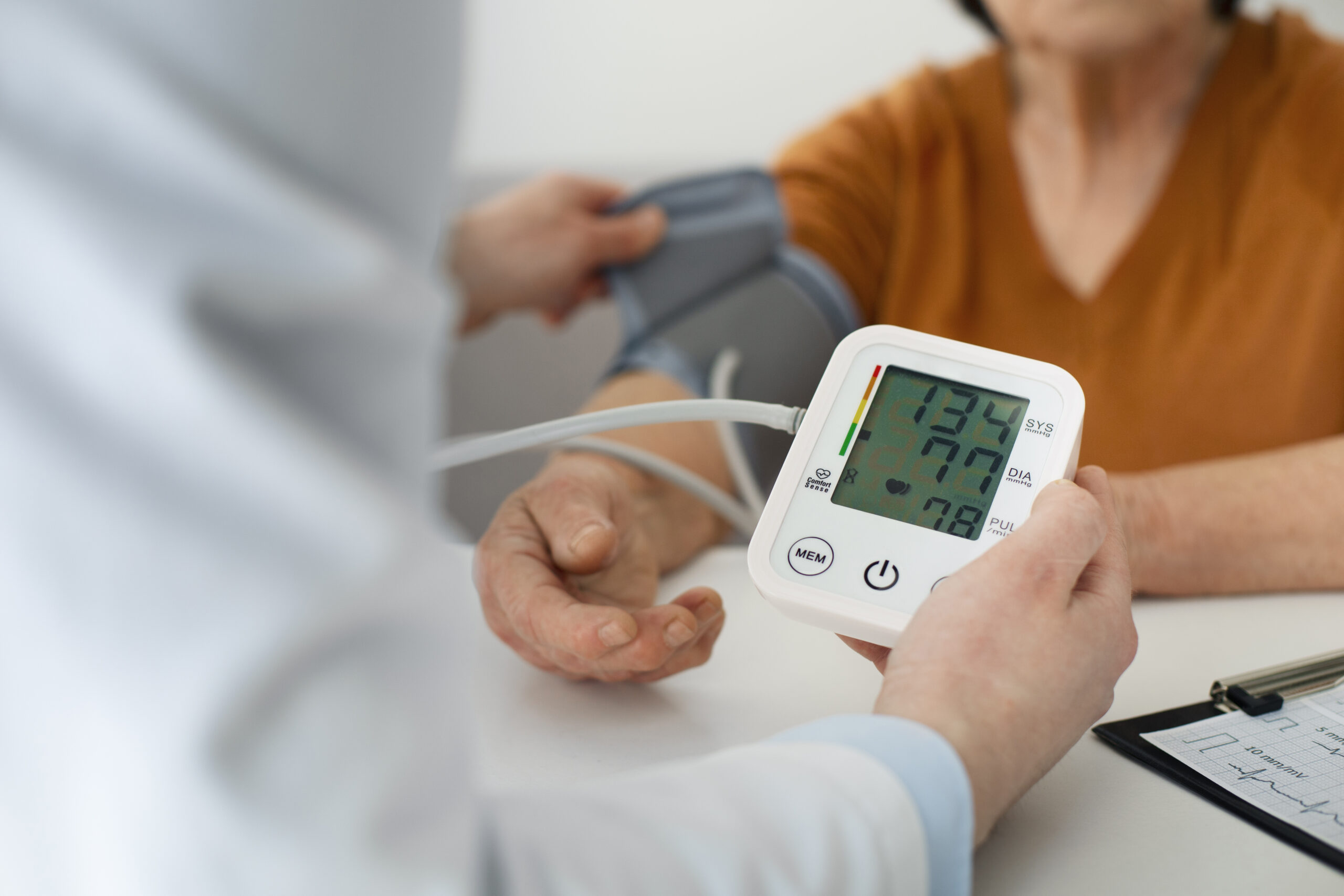
Blood pressure is particularly important because hypertension often causes no obvious symptoms.
Singapore’s latest ACE clinical guidance recommends assessing cardiovascular risk alongside blood pressure when evaluating people with elevated blood pressure. The guideline also highlights the importance of home blood pressure monitoring in appropriate patients.
For eligible Singapore Citizens, Healthier SG Screening provides subsidised screening based on factors such as age, gender, existing conditions and previous screening history.
Which blood tests are commonly useful?
There is no single blood test that can tell you whether you are completely healthy.
However, several blood tests can provide valuable information about common chronic diseases and cardiovascular risk.
1. Blood glucose or HbA1c
Blood glucose testing helps identify diabetes or abnormal glucose regulation.
In Singapore, diabetes screening is generally recommended from age 40, with screening considered earlier when risk factors are present. These can include being overweight, having hypertension or having a family history of diabetes.
HbA1c is particularly useful because it provides an indication of average blood glucose levels over approximately the previous two to three months.
This is important because diabetes and hypertension frequently occur together, increasing cardiovascular and kidney risk.
2. Cholesterol and lipid profile
A lipid profile measures blood fats such as LDL cholesterol, HDL cholesterol and triglycerides.
High cholesterol usually does not produce symptoms, but it can contribute to the development of atherosclerosis and cardiovascular disease.
Singapore’s Healthier SG Screening programme includes cholesterol screening as part of cardiovascular disease screening.
However, a cholesterol number should not be interpreted in isolation.
Your overall cardiovascular risk, including factors such as age, blood pressure, diabetes, smoking and existing medical conditions, matters when deciding what the result means for you.
3. Kidney function tests
Kidney health is particularly important if you have hypertension or diabetes.
Blood tests such as serum creatinine can be used to estimate kidney function through the estimated glomerular filtration rate, or eGFR.
A urine test can also look for albumin in the urine. The urine albumin-to-creatinine ratio, or UACR, is increasingly important because albuminuria can be an early indicator of kidney damage. Current Singapore ACE guidance recommends UACR as the preferred measure for detecting albuminuria.
This is one reason kidney assessment should not be overlooked in people with high blood pressure.
4. Electrolytes
Electrolytes such as sodium and potassium may be checked as part of an assessment for hypertension and kidney health.
They can also be important when monitoring certain blood pressure medications.
Singapore’s hypertension guidance recommends assessment of electrolytes, creatinine, urea, glucose and lipids as part of the clinical evaluation of a patient with hypertension.
5. Other blood tests when clinically indicated
Tests such as thyroid function, calcium, uric acid, full blood count and other investigations may be appropriate in selected patients.
But this does not mean everyone needs them routinely.
For example, thyroid testing may be useful when symptoms or clinical findings suggest thyroid disease. Additional investigations may also be considered when hypertension develops at an unusually young age or behaves in a way that raises suspicion of a secondary cause.
The important principle is test with a purpose.
What about ECG?
An electrocardiogram, or ECG, is not a blood test or a scan, but it can be an important part of cardiovascular assessment.
An ECG records the heart’s electrical activity and may provide information about heart rhythm or evidence of changes associated with conditions such as longstanding hypertension.
Singapore’s clinical guidance for evaluating hypertension includes a 12-lead ECG as part of routine clinical evaluation.
Whether further cardiac testing is necessary depends on the individual.
Do you need an ultrasound?
Ultrasound is useful for examining specific organs and conditions, including the liver, gallbladder, kidneys and other structures.
But having an ultrasound simply because you are undergoing a general health screening is not automatically beneficial.
For example, a kidney ultrasound may be appropriate when there are abnormal kidney findings, urinary symptoms, suspected structural abnormalities or other clinical reasons to investigate further.
It should not be viewed as a universal test that everyone needs every year.
Do healthy people need CT scans or MRI scans?
This is one of the most common questions I hear.
For most people without symptoms or specific risk factors, routine whole-body CT or MRI screening is not necessary.
CT scans use ionising radiation, while MRI uses magnetic fields and radiofrequency energy. Both are valuable diagnostic tools when there is a clear medical indication, but that does not mean that more imaging is always better.
Unnecessary imaging can also identify incidental findings that may have no clinical significance but lead to additional tests, anxiety and sometimes invasive procedures.
Singapore’s approach to screening is similarly focused on evidence-based testing rather than simply offering every possible investigation. MOH specifically advises that screening should be appropriate to an individual’s risk profile and that patients should have proper follow-up for results.
When are medical scans actually appropriate?
Medical imaging becomes much more useful when there is a specific clinical question.
For example, depending on the situation, a doctor may consider imaging when there are:
- Persistent or unexplained symptoms
- Abnormal examination findings
- Abnormal blood or urine test results
- Suspected organ damage
- A significant family history
- Specific cancer risk factors
- Concerns about kidney or vascular disease
- Symptoms suggesting a neurological or cardiovascular condition
The type of scan should then be chosen according to the question that needs to be answered.
An MRI is not automatically better than an ultrasound. A CT scan is not automatically better than an MRI.
The right investigation is the one that can answer the clinical question safely and effectively.
If you have hypertension, your assessment may need to go further
For someone with hypertension, the objective is not simply to confirm that blood pressure is elevated.
A proper assessment also looks for:
- Cardiovascular risk factors
- Kidney damage
- Diabetes or abnormal glucose
- Abnormal cholesterol
- Evidence of target-organ damage
- Possible secondary causes of hypertension where appropriate
Singapore’s ACE hypertension guideline recommends cardiovascular risk assessment and ongoing review of factors including blood pressure, lipid profile, weight, kidney function, electrolytes and urinary albumin-to-creatinine ratio where appropriate.
In selected patients, additional investigations may be required to look for secondary causes of hypertension. These could include hormonal or other specialised tests depending on the patient’s age, symptoms and clinical findings.
This is where seeing a hypertension specialist in Singapore can be particularly useful when blood pressure is difficult to control, occurs unusually early, or raises concerns about underlying disease.
What tests are recommended for everyone?
Not every test is appropriate for everyone, but Singapore’s national screening recommendations provide a useful starting point.
For adults, recommended screening can include blood pressure measurement, assessment of obesity, diabetes screening from the appropriate age, cholesterol screening and age- and sex-appropriate cancer screening.
The specific tests and frequency depend on your age, sex, medical history and risk profile.
This is important because a 30-year-old with no significant risk factors should not necessarily undergo the same investigations as a 65-year-old with hypertension, diabetes and a strong family history of cardiovascular disease.
Beware of the phrase full body health check
A package containing dozens of blood tests and scans can sound reassuring.
But the number of tests is not a measure of the quality of healthcare.
Some tests have limited value when used as routine screening in people who have no symptoms or relevant risk factors. An abnormal result can also lead to additional investigations that ultimately prove unnecessary.
MOH’s screening framework is built around tests that have evidence supporting their usefulness, safety and suitability for screening.
The better question to ask is:
What are we trying to detect, and will finding it early change what we do?
That question can help you avoid unnecessary investigations while making sure important health risks are not overlooked.
A better approach to health screening in Singapore
Rather than choosing a health screening package based purely on the number of tests included, discuss your health goals and risk factors with a doctor.
Bring information about:
- Your previous blood pressure readings
- Previous blood test results
- Current medications and supplements
- Family history
- Smoking history
- Existing medical conditions
- Any persistent or unexplained symptoms
- Previous scans or investigations
Your doctor can then decide which investigations are appropriate and whether you need further testing.
This approach is consistent with Singapore’s current emphasis on personalised preventive care. MOH’s 2026 screening recommendations specifically highlight primary care assessment, appropriate screening and proper follow-up rather than indiscriminate mass screening.
The bottom line
You do not need every blood test or medical scan available to stay healthy.
For many adults, the most useful starting point is surprisingly straightforward: blood pressure, weight and waist measurements, appropriate blood tests for diabetes and cholesterol, and assessment of kidney health when indicated.
Additional tests, ECGs and medical scans should be selected according to your symptoms, age, risk factors and medical history.
If you have hypertension, particularly if it is difficult to control or associated with other health concerns, a more detailed assessment may be appropriate.
The goal of good screening is not to find as many abnormalities as possible. It is to identify important and treatable health risks early, without exposing patients to unnecessary tests.
If you are unsure which investigations are appropriate for you, discussing your health history and risk factors with an internal medicine specialist or hypertension specialist in Singapore can help you make a more informed decision.
Medical disclaimer: This article is for general educational purposes and does not replace an individual medical consultation. The appropriate screening tests vary according to age, sex, symptoms, medical history and individual risk factors. If you have concerning or severe symptoms, seek prompt medical attention.
10 FAQs
1. What blood tests should I have for a general health check?
Commonly useful tests may include blood glucose or HbA1c, cholesterol and, where clinically appropriate, kidney function and other investigations. The right combination depends on your age, medical history and risk factors.
2. Do I need a full blood test every year?
Not necessarily. There is no single blood test that provides a complete assessment of health. Screening should be based on evidence and individual risk rather than simply repeating a large panel every year.
3. What blood tests are important if I have hypertension?
Depending on your circumstances, assessment may include glucose, lipid profile, kidney function, electrolytes and urine testing for albumin. Singapore hypertension guidance also recommends a 12-lead ECG as part of clinical evaluation.
4. Should people with high blood pressure have kidney tests?
Yes, kidney assessment is important in people with hypertension. Blood tests such as creatinine and eGFR, together with urine testing such as UACR, can help identify kidney damage or reduced kidney function.
5. Do I need an ultrasound during an annual health screening?
Not automatically. Ultrasound is most useful when there is a specific clinical reason to examine an organ or investigate an abnormal finding.
6. Should healthy adults get a whole-body CT scan?
Routine whole-body CT screening is generally not necessary for people without symptoms or specific risk factors. CT should be used when there is an appropriate medical indication.
7. Is an MRI better than a CT scan?
Neither is universally better. They answer different clinical questions and have different advantages and limitations. The appropriate scan depends on what your doctor is trying to investigate.
8. At what age should I start health screening in Singapore?
Different conditions have different screening recommendations. For example, Singapore’s screening guidance recommends diabetes and cholesterol screening from age 40 for the general adult population, while blood pressure and obesity assessment begin earlier.
9. Can a health screening package include unnecessary tests?
Yes. Some tests are not recommended as routine population screening because there may not be sufficient evidence that they improve outcomes in people without symptoms or relevant risk factors.
10. When should I see a hypertension specialist in Singapore?
Consider discussing specialist assessment if your blood pressure remains difficult to control, you develop hypertension unusually early, there are signs of possible organ damage, or your doctor suspects an underlying cause of hypertension. The appropriate next step depends on your individual clinical situation.