

When people think about heart disease, they usually associate it with high blood pressure, high cholesterol, smoking or an unhealthy lifestyle. Similarly, when they think about kidney disease, they may associate it with diabetes, urinary problems or the need for dialysis.
What many people do not realise is that the heart and kidneys are closely connected. Problems affecting one organ can gradually affect the other.
For example, someone with chronic kidney disease may have a higher risk of developing heart disease, heart failure and stroke. At the same time, people with cardiovascular conditions may experience declining kidney function because the kidneys receive less effective blood flow.
This relationship is sometimes called the cardiorenal connection.
It is particularly important for people living in Singapore, where hypertension, diabetes and other metabolic conditions are significant health concerns.
As an internal medicine doctor in Singapore, understanding this connection is an important part of assessing a patient’s overall health. Protecting the heart often means paying attention to the kidneys, and vice versa.
Let’s understand why these two organs are so closely linked and what you can do to protect them.
1. Why Are the Heart and Kidneys So Closely Connected?
The heart and kidneys perform different functions, but they depend on each other to maintain the body’s internal balance.
The heart pumps oxygen-rich blood throughout the body, including to the kidneys. The kidneys filter waste products from the blood, regulate fluid levels and help maintain healthy blood pressure.
They also regulate important minerals such as sodium and potassium and produce hormones involved in red blood cell production.
When the kidneys function properly, they help maintain the right balance of fluid and electrolytes. This supports normal blood pressure and reduces unnecessary strain on the heart.
However, when kidney function declines, several problems can develop:
- Fluid may accumulate in the body.
- Blood pressure may become more difficult to control.
- Electrolyte levels may become abnormal.
- Anaemia may develop.
- The risk of cardiovascular complications may increase.
Similarly, when the heart cannot pump blood effectively, the kidneys may receive inadequate blood flow, potentially affecting their function.
This explains why kidney and cardiovascular health should not be considered separately.
2. How Does Kidney Disease Increase the Risk of Heart Disease?
Chronic kidney disease (CKD) is a condition in which kidney structure or function remains abnormal for at least three months.
It can develop gradually, sometimes without obvious symptoms in its early stages.
According to Singapore’s Agency for Care Effectiveness (ACE), chronic kidney disease is associated with an increased risk of coronary artery disease, heart failure, arrhythmias and sudden cardiac death.
There are several reasons for this connection.
A. High Blood Pressure and Fluid Retention
Healthy kidneys help regulate blood pressure by controlling sodium and fluid balance.
When kidney function declines, the body may retain excess salt and water. This increases the volume of blood circulating through the body and can raise blood pressure.
Persistently elevated blood pressure places additional strain on the heart and blood vessels.
Over time, this can contribute to heart muscle thickening, heart failure and other cardiovascular complications.
B. Blood Vessel Damage
Chronic kidney disease is associated with changes in blood vessel structure and function.
Inflammation, oxidative stress and abnormal mineral metabolism may contribute to vascular damage and arterial stiffness.
These changes can increase cardiovascular risk, even in people who do not have obvious heart-related symptoms.
C. Electrolyte Imbalance
The kidneys help regulate electrolytes such as potassium.
When kidney function becomes significantly impaired, potassium levels may rise.
Abnormally high potassium can affect the electrical activity of the heart and, in severe cases, cause dangerous heart rhythm disturbances.
This is one reason why kidney function and electrolyte levels need appropriate monitoring in patients with CKD.
D. Anaemia
The kidneys produce a hormone called erythropoietin, which helps the body make red blood cells.
When kidney function declines, erythropoietin production may decrease, contributing to anaemia.
Anaemia reduces the blood’s ability to carry oxygen. As a result, the heart may need to work harder to supply oxygen to the body’s tissues.
This can be particularly concerning in people who already have cardiovascular disease.
3. Can Heart Disease Cause Kidney Problems?
Yes. The relationship works in both directions.
When the heart is unable to pump blood efficiently, the kidneys may receive less effective blood flow.
For example, in heart failure, the heart may struggle to circulate blood adequately. This can affect kidney filtration.
At the same time, fluid may accumulate because the kidneys are unable to remove excess sodium and water effectively.
This can create a difficult cycle:
- Heart function becomes impaired.
- Kidney blood flow and function may decline.
- The body retains additional salt and water.
- Fluid overload places further strain on the heart.
- Both conditions may become more difficult to manage.
Doctors sometimes refer to this interaction as cardiorenal syndrome.
It highlights why managing heart failure often requires careful monitoring of kidney function, fluid balance and electrolytes.
4. What Is the Connection Between Hypertension, Kidneys and Heart Disease?
Hypertension is one of the most important shared risk factors for kidney and cardiovascular disease.
When blood pressure remains elevated over time, it can damage the small blood vessels inside the kidneys.
These vessels play an essential role in filtering waste products from the blood.
As kidney damage progresses, the kidneys may become less effective at regulating blood pressure, potentially worsening hypertension.
This creates another cycle:
High blood pressure → Kidney damage → Reduced kidney function → More difficult blood pressure control → Further cardiovascular and kidney damage.
For people with longstanding hypertension, this is an important reason to monitor kidney health regularly.
An internal medicine doctor in Singapore may recommend blood and urine investigations to identify early kidney damage, even when the patient feels perfectly well.
5. What Are the Early Signs of Kidney Problems?
One of the challenges with chronic kidney disease is that it may not produce noticeable symptoms in its early stages.
Many people discover that they have reduced kidney function only after undergoing routine blood or urine tests.
As the condition progresses, symptoms may include:
- Swelling around the ankles, feet or face.
- Changes in urination patterns.
- Persistent tiredness.
- Poor appetite.
- Nausea.
- Muscle cramps.
- Difficulty concentrating.
- Breathlessness, particularly when fluid accumulates.
However, these symptoms are not specific to kidney disease and may occur with other medical conditions.
It is important not to rely on symptoms alone to assess kidney health.
6. Which Tests Can Help Assess Kidney and Heart Health?
A combination of blood tests, urine tests, clinical assessment and selected investigations can help evaluate the health of both organs.
A. Serum Creatinine and eGFR
Creatinine is a waste product produced by normal muscle activity.
The kidneys remove creatinine from the blood. When kidney filtration declines, creatinine levels may increase.
Doctors use creatinine, together with other information, to estimate the glomerular filtration rate (eGFR).
The eGFR provides an indication of how effectively the kidneys are filtering blood.
B. Urine Albumin-to-Creatinine Ratio (UACR)
Albumin is a protein normally found in the blood.
When kidney filtration barriers become damaged, albumin may leak into the urine.
The urine albumin-to-creatinine ratio helps identify this problem.
Singapore’s updated ACE guidance identifies UACR as the preferred measure for detecting albuminuria. It can help identify kidney damage even when eGFR is relatively preserved.
This is particularly useful for people with diabetes and hypertension.
C. Blood Pressure Monitoring
Blood pressure monitoring is important for both kidney and cardiovascular health.
Repeated elevated readings may indicate hypertension, which can contribute to progressive kidney damage.
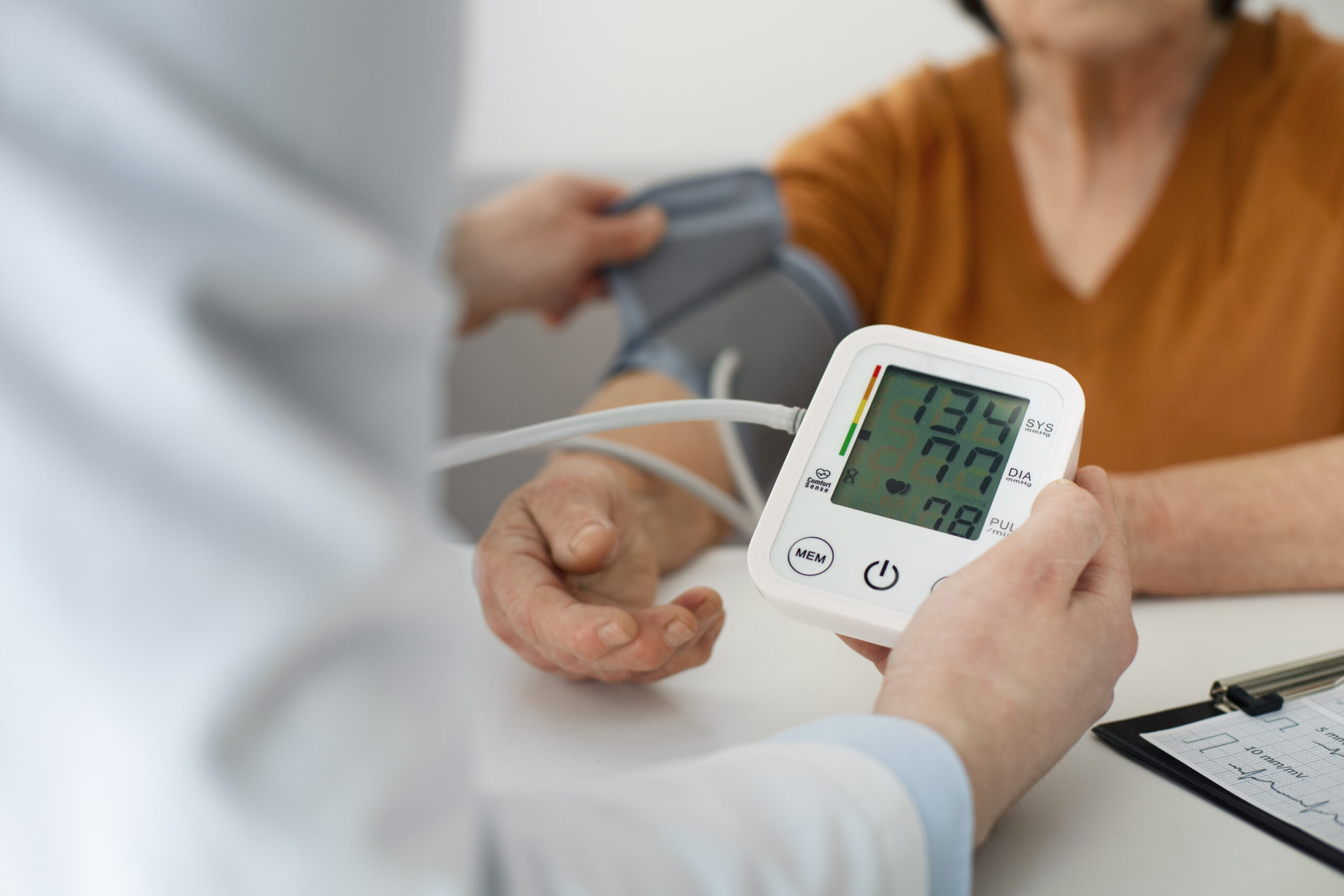
Home blood pressure monitoring can provide additional information about blood pressure outside the clinic.
D. Blood Glucose and HbA1c
Diabetes is a major risk factor for chronic kidney disease and cardiovascular complications.
Blood glucose and HbA1c testing help identify diabetes and assess long-term glucose control.
E. Cholesterol Profile
A lipid profile helps assess cholesterol levels and cardiovascular risk.
People with chronic kidney disease may require particular attention to their lipid profile because their cardiovascular risk can be elevated.
F. ECG and Echocardiogram
Depending on symptoms and clinical findings, a doctor may recommend cardiac investigations.
An ECG records the heart’s electrical activity, while an echocardiogram uses ultrasound to assess heart structure and pumping function.
Not everyone with kidney disease requires these investigations. They should be selected according to the patient’s clinical condition.
7. Who Is at Higher Risk of Developing Both Kidney and Heart Disease?
Certain individuals have a higher likelihood of developing conditions that affect both organs.
Pay particular attention if you:
- Have longstanding hypertension.
- Have type 2 diabetes.
- Have high cholesterol.
- Have a family history of kidney disease.
- Have existing cardiovascular disease.
- Are overweight or have abdominal obesity.
- Smoke regularly.
- Have a history of acute kidney injury.
- Frequently use certain painkillers, particularly non-steroidal anti-inflammatory drugs (NSAIDs).
People with diabetes and hypertension deserve particular attention because these conditions can damage the kidneys while simultaneously increasing cardiovascular risk.
In Singapore, the ACE clinical guidance identifies hypertension, diabetes and obesity as important risk factors for chronic kidney disease.
8. How Can You Protect Both Your Heart and Kidneys?
The encouraging news is that many risk factors affecting both organs can be managed.
The objective is to maintain healthy blood pressure, reduce metabolic risk and identify kidney problems before significant damage develops.
Maintain Healthy Blood Pressure
Managing hypertension is one of the most important steps in protecting both organs.
Follow your doctor’s recommended monitoring schedule and maintain a record of your blood pressure readings.
For many patients with CKD, Singapore’s ACE guidance uses a blood pressure target below 130/80 mmHg as a guide. However, targets should be individualised, particularly for older adults, people with frailty and those at risk of falls.
Control Blood Glucose
If you have diabetes, maintaining appropriate glucose control can help reduce the risk of kidney damage and cardiovascular complications.
Regular HbA1c monitoring and follow-up are important.
Follow a Balanced Diet
Consider a diet that includes:
- Vegetables and fruits.
- Whole grains.
- Appropriate portions of lean protein.
- Healthy sources of dietary fats.
- Less processed food.
- Reduced salt intake.
People with advanced kidney disease may need specific dietary restrictions involving potassium, phosphorus, protein or fluid intake. These should be guided by a doctor or renal dietitian rather than followed without assessment.
Stay Physically Active
Regular physical activity supports healthy blood pressure, glucose regulation and weight management.
Walking, cycling and swimming are practical options for many adults.
Aim for consistent activity rather than occasional intense exercise.
Avoid Smoking
Smoking damages blood vessels and increases cardiovascular risk.
Stopping smoking is an important step in protecting both the kidneys and heart.
Be Careful With Medication and Supplements
Some medications, including frequent or prolonged use of NSAID painkillers, may affect kidney function.
Herbal products and supplements may also contain ingredients that interact with prescribed medication or affect kidney health.
Discuss regular medication and supplement use with your doctor, particularly if you already have kidney disease.
9. When Should You Consult an Internal Medicine Doctor in Singapore?
You should consider a medical assessment if you have:
- Persistent high blood pressure.
- Diabetes or poorly controlled blood glucose.
- Abnormal kidney function results.
- Protein detected in your urine.
- Unexplained swelling in your legs or around your eyes.
- Persistent breathlessness or unusual fatigue.
- A history of heart failure or cardiovascular disease.
- Multiple risk factors affecting kidney and heart health.
An internal medicine doctor in Singapore can assess the relationship between your existing medical conditions, review blood and urine results and determine whether further investigations or specialist care are needed.
Patients with progressive kidney disease may benefit from coordinated care involving internal medicine, cardiology and nephrology specialists.
Seek urgent medical attention if you experience severe breathlessness, chest pain, fainting or other sudden severe symptoms. Call 995 for an ambulance in Singapore when emergency care is needed.
The Bottom Line: Protecting Your Heart Also Means Protecting Your Kidneys
The heart and kidneys are not independent organs. They work together to maintain circulation, fluid balance, blood pressure and overall health.
When one organ becomes unhealthy, the other may also be affected.
High blood pressure, diabetes and obesity are important shared risk factors. Identifying and managing them early can make a meaningful difference to long-term health.
You do not need to wait until you experience symptoms to pay attention to kidney function or cardiovascular health.
Regular blood pressure monitoring, appropriate blood and urine tests, a balanced diet and consistent medical follow-up are important parts of prevention.
If you have hypertension, diabetes or abnormal kidney results, speaking with an internal medicine doctor in Singapore can help you understand your overall cardiorenal health and the appropriate next steps.
Medical disclaimer: This article is for general educational purposes and does not replace professional medical advice, diagnosis or treatment. Kidney and cardiovascular investigations should be selected according to individual medical history and clinical findings.
5. Frequently Asked Questions (FAQs)
1. Can kidney disease cause heart disease?
Yes. Chronic kidney disease increases the risk of coronary artery disease, heart failure, abnormal heart rhythms and stroke. Changes in blood pressure, fluid balance, blood vessel health and electrolyte levels contribute to this increased risk.
2. Can heart problems affect kidney function?
Yes. When the heart cannot pump blood effectively, the kidneys may receive less effective blood flow. This can reduce kidney function and contribute to fluid retention.
3. Does high blood pressure damage the kidneys?
Yes. Longstanding hypertension can damage the small blood vessels responsible for kidney filtration. Reduced kidney function can also make blood pressure more difficult to control.
4. What are the first signs of kidney damage?
Early kidney damage often has no noticeable symptoms. It may first be detected through blood tests showing reduced eGFR or urine tests showing albumin.
5. Which blood tests check kidney function?
Serum creatinine and eGFR are commonly used to assess kidney filtration. Urine albumin-to-creatinine ratio (UACR) helps identify kidney damage that may not be apparent from blood tests alone.
6. Can kidney disease increase the risk of a heart attack?
Yes. Chronic kidney disease is associated with an increased risk of cardiovascular events, including heart attacks and strokes. The risk generally increases as kidney disease progresses.
7. Can diabetes affect both the heart and kidneys?
Yes. Diabetes can damage blood vessels throughout the body, including those supplying the heart and kidneys. Good diabetes management is an important part of preventing complications.
8. How often should people with hypertension check their kidney function?
The frequency depends on blood pressure control, existing kidney function, diabetes and other risk factors. People with hypertension and established CKD generally need periodic blood and urine monitoring as advised by their doctor.
9. Can kidney disease be prevented?
Not all kidney disease can be prevented, but controlling blood pressure, managing diabetes, maintaining a healthy weight, avoiding smoking and being careful with potentially harmful medications can reduce risk.
10. Which doctor should I consult for kidney and heart health concerns in Singapore?
An internal medicine doctor can provide an overall assessment, particularly when conditions such as hypertension, diabetes and kidney disease overlap. Depending on the findings, referral to a nephrologist or cardiologist may be appropriate.
6. Sources / References
1. Agency for Care Effectiveness, Singapore
Chronic Kidney Disease – Early Detection
2. Agency for Care Effectiveness, Singapore
Chronic Kidney Disease – Delaying Progression and Reducing Cardiovascular Complications
3. European Society of Cardiology (ESC), 2026
Guidelines for the Management of Cardiovascular Disease and Chronic Kidney Disease
4. Agency for Care Effectiveness, Singapore
Hypertension – Tailoring the Management Plan to Optimise Blood Pressure Control