
You exercise occasionally. You eat reasonably well. You feel energetic. You have no chest pain, no breathlessness and no obvious health problems.
So, how could you possibly be at risk of heart disease?
This is a question I often encounter when discussing preventive health. One of the most important things to understand about cardiovascular health is that feeling healthy does not necessarily mean having a low cardiovascular risk.
Some of the most important cardiovascular risk factors, including high blood pressure, high cholesterol and diabetes, can develop quietly without causing noticeable symptoms.
Singapore’s Healthier SG screening programme specifically highlights this issue. Cardiovascular risk factors such as high blood pressure, diabetes and high cholesterol can be silent in their early stages, meaning a person may feel completely well while these conditions are already present. HealthHub
For patients in Singapore, understanding your risk factors and having appropriate health screening can therefore be just as important as paying attention to symptoms.
What does cardiovascular risk actually mean?
Cardiovascular risk refers to the likelihood of developing conditions affecting the heart and blood vessels, such as:
- Coronary artery disease
- Heart attack
- Stroke
- Heart failure
- Peripheral artery disease
- Other vascular complications
Your risk is not determined by one factor alone.
Doctors consider a combination of factors, including:
- Age
- Blood pressure
- Cholesterol levels
- Blood glucose and diabetes status
- Smoking
- Body weight and waist circumference
- Physical activity
- Family history
- Kidney health
- Existing cardiovascular disease
- Other medical conditions
This is why someone who feels completely healthy can still have a meaningful cardiovascular risk.
Why can cardiovascular disease remain silent?
The heart and blood vessels can undergo gradual changes for years before a person notices symptoms.
High blood pressure is a good example
Hypertension is often called a silent condition because many people do not experience symptoms even when their blood pressure is persistently elevated.
Over time, uncontrolled high blood pressure can damage blood vessels and increase the risk of heart disease, kidney disease and stroke. HealthHub
You cannot reliably determine your blood pressure by how you feel.
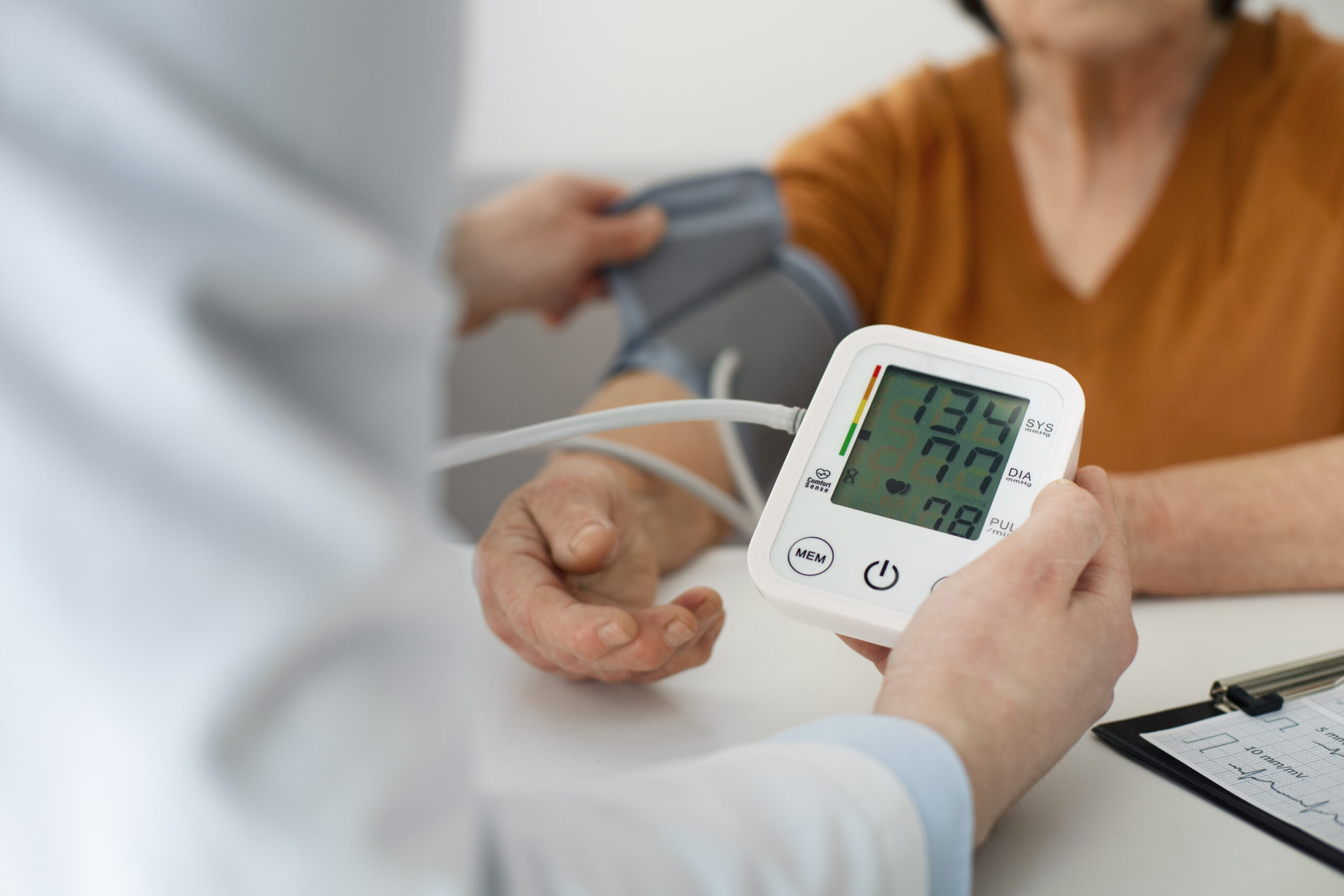
The only way to know is to measure it.
The same principle applies to cholesterol and blood glucose. A person may have abnormal results without experiencing any obvious warning signs.
1. High blood pressure can exist without symptoms
High blood pressure is one of the most important cardiovascular risk factors.
You might have hypertension for years without headaches, dizziness or any other obvious symptom.
This is why waiting until you feel unwell is not a reliable approach to blood pressure management.
The 2024 European Society of Cardiology guidelines emphasise that cardiovascular risk associated with blood pressure exists across a continuous range rather than being simply a distinction between normal blood pressure and hypertension. Escardio
For patients, the practical message is simple:
Know your blood pressure rather than trying to guess it from how you feel.
If readings are repeatedly elevated, they should be discussed with a healthcare professional.
2. High cholesterol may give you no warning
Cholesterol is another example of a cardiovascular risk factor that may remain completely unnoticed.
High cholesterol does not usually cause symptoms that you can feel.
However, persistently elevated levels of certain types of cholesterol can contribute to the development of atherosclerosis. This involves the gradual build-up of fatty deposits within artery walls, potentially narrowing the arteries and increasing the risk of heart attack and stroke. HealthHub
This is why a person can say:
“I feel perfectly healthy. Why should I check my cholesterol?”
The answer is that cholesterol testing is not intended to diagnose how you feel. It is designed to identify a risk factor that may otherwise remain hidden.
3. Diabetes and prediabetes can be surprisingly quiet
Blood sugar is another important part of cardiovascular health.
People with prediabetes may have no noticeable symptoms. Type 2 diabetes can also develop gradually.
Diabetes is important not only because of its effect on blood sugar. It is closely connected with cardiovascular disease and other complications involving the kidneys, eyes, nerves and blood vessels.
The American Heart Association highlights the connection between diabetes, high blood pressure, high cholesterol and excess weight, all of which can increase cardiovascular risk. www.heart.org
For this reason, blood glucose testing can provide valuable information even when you feel completely well.
4. Being active does not automatically eliminate cardiovascular risk
Regular physical activity is one of the most effective ways to support cardiovascular health.
But being physically active does not make someone immune to heart disease.
You may exercise regularly and still have:
- High blood pressure
- High LDL cholesterol
- Diabetes or prediabetes
- A strong family history
- Kidney disease
- Other medical conditions affecting cardiovascular risk
This is not a reason to stop exercising. Quite the opposite.
It means exercise should be viewed as one part of cardiovascular prevention rather than the entire strategy.
A healthy lifestyle and appropriate medical screening work together.
5. Family history can change your risk
Some cardiovascular risk factors are outside your control.
Age is one example.
Family history is another.
If a close family member developed heart disease or stroke, particularly at a relatively young age, it is worth discussing this with your doctor.
Family history does not mean that you will necessarily develop cardiovascular disease.
It simply provides additional information that may influence how your overall risk is assessed.
6. Kidney health and heart health are connected
Many people think of kidney disease and heart disease as completely separate problems.
They are not.
Kidney health is closely connected with cardiovascular health. Chronic kidney disease can increase cardiovascular risk, while conditions such as hypertension and diabetes can damage both the kidneys and cardiovascular system.
This is one reason a comprehensive cardiovascular assessment may include consideration of kidney function, particularly in people with hypertension, diabetes or other risk factors.
Recent cardiovascular prevention guidance increasingly emphasises looking beyond the heart itself and considering interconnected conditions such as kidney disease and diabetes. American Heart Association
7. Your waist circumference may tell you something your weight does not
Many people focus only on body weight or BMI.
However, where fat is stored also matters.
Excess abdominal fat is associated with metabolic problems including insulin resistance, diabetes, high blood pressure and abnormal cholesterol.
This is why waist circumference is included alongside height and weight in Singapore’s cardiovascular risk screening programme. HealthHub
Someone can therefore have a seemingly acceptable body weight while still having metabolic risk factors that deserve attention.
What cardiovascular screening looks like in Singapore
Singapore has established screening pathways for identifying important cardiovascular risk factors.
Under Healthier SG Screening, cardiovascular risk screening includes assessment for:
- High blood pressure
- High blood cholesterol
- Diabetes
- Obesity
Blood testing can be used to assess blood glucose and cholesterol, while blood pressure and measurements such as height, weight and waist circumference provide additional information. HealthHub
For eligible Singapore Citizens aged 40 and above without a previous diagnosis of high blood pressure, diabetes or high cholesterol, cardiovascular screening is available through the programme. HealthHub currently recommends cardiovascular risk screening once every three years for eligible individuals. HealthHub . This is the interval for the subsidised screening package, not for every individual measurement. Blood pressure should generally be checked at least once a year, and more often if previous readings are elevated or you have relevant medical conditions.
If you have already been diagnosed with a chronic condition, however, routine monitoring with your doctor is more appropriate than relying on screening alone. HealthHub
Do you need every possible heart test?
Not necessarily.
This is an important point.
Good preventive medicine does not mean ordering every available scan and blood test.
HealthHub advises people to discuss their individual risk profile with their doctor and consider the potential benefits, limitations and harms of different screening tests. Not every test is appropriate for everyone. HealthHub
The right approach is usually to begin with your risk factors and medical history, then determine which investigations are actually appropriate.
Depending on your situation, this could include:
- Blood pressure measurement
- Cholesterol testing
- Blood glucose or HbA1c
- Weight and waist circumference
- Kidney function
- Family history assessment
- Lifestyle assessment
- Further investigations when clinically indicated
Additional tests or specialist assessment may be appropriate for people with particular symptoms, abnormal results or higher cardiovascular risk.
What can you do if you feel healthy?
Feeling well is a good thing. But it should not be the reason to ignore preventive healthcare.
A sensible approach includes:
Know your blood pressure
Have it measured periodically, particularly as you get older or if you have other risk factors.
Know your cholesterol
A cholesterol test can identify a risk factor that you cannot detect by symptoms.
Check your blood sugar when appropriate
Your doctor can advise whether diabetes or prediabetes screening is appropriate based on your age and risk factors.
Stay physically active
Regular exercise supports cardiovascular fitness and helps with blood pressure, metabolic health and weight management.
Eat a balanced diet
Pay attention to excess sodium, saturated fat, added sugars and highly processed foods.
Avoid smoking
Smoking significantly increases cardiovascular risk and damages blood vessels.
Maintain a healthy weight
If you are overweight, gradual and sustainable weight management can improve several cardiovascular risk factors.
Know your family history
Understanding whether close relatives have experienced heart disease or stroke can help your doctor assess your overall risk.
When should you see an internal medicine doctor in Singapore?
Many cardiovascular risk factors can be managed by a GP or family physician.
However, an internal medicine doctor in Singapore may be particularly helpful when several health concerns overlap or when the reason for an abnormal result is unclear.
You may benefit from a broader medical assessment if you have:
- Difficult-to-control hypertension
- Multiple cardiovascular risk factors
- Diabetes together with hypertension
- Abnormal kidney function
- Persistently abnormal cholesterol
- A strong family history of cardiovascular disease
- Multiple chronic conditions
- Abnormal test results that need further evaluation
An internal medicine specialist can look at these issues as part of the bigger picture rather than considering each abnormality in isolation.
When feeling well is not enough
One of the biggest misconceptions about cardiovascular health is that serious disease always announces itself through obvious symptoms.
It doesn’t.
High blood pressure, high cholesterol and diabetes can develop quietly. Cardiovascular disease itself can also sometimes present in less obvious ways. The American Heart Association notes that silent heart attacks can occur without the typical symptoms people expect. www.heart.org
This does not mean that everyone should be worried about hidden heart disease.
It means we should not use the absence of symptoms as our only measure of cardiovascular health.
For patients in Singapore, appropriate screening and regular assessment of modifiable risk factors can provide a much clearer picture.
If you feel healthy, that is something to value.
But knowing your numbers can help you stay healthy.
Medical disclaimer: This article is intended for general educational purposes and does not provide a diagnosis or personalised medical advice. The appropriate screening tests and frequency of assessment depend on your age, medical history, risk factors and previous results. Speak with a qualified healthcare professional if you have concerns about your cardiovascular health. If you develop severe or persistent chest pain, significant difficulty breathing, fainting, or sudden symptoms suggestive of a stroke, seek urgent medical attention.
10 FAQs
1. Can I have heart disease even if I feel healthy?
Yes. Some cardiovascular risk factors and conditions can exist without noticeable symptoms. High blood pressure, high cholesterol and diabetes can all remain silent, which is why appropriate screening is important. HealthHub
2. What are the biggest cardiovascular risk factors?
Important risk factors include high blood pressure, high cholesterol, diabetes, smoking, obesity, physical inactivity, increasing age, family history and chronic kidney disease. Your overall risk depends on the combination of factors rather than one factor alone.
3. How often should I check my blood pressure?
The appropriate frequency depends on your age, previous readings and health conditions. People with known hypertension generally need more regular monitoring than someone with consistently normal readings. Ask your doctor about the schedule appropriate for you.
4. Can high cholesterol exist without symptoms?
Yes. High cholesterol generally does not cause noticeable symptoms. A blood test is needed to identify abnormal cholesterol levels. www.heart.org
5. Can diabetes increase my risk of heart disease?
Yes. Diabetes is an important cardiovascular risk factor and commonly occurs alongside high blood pressure, abnormal cholesterol and excess weight. Managing these factors is an important part of reducing cardiovascular risk. www.heart.org
6. Does exercising mean I don’t need cardiovascular screening?
No. Exercise is highly beneficial, but it does not eliminate other risk factors such as high blood pressure, high cholesterol, diabetes or family history. Screening should be based on your individual risk.
7. What cardiovascular screening is available in Singapore?
Healthier SG Screening includes cardiovascular risk screening for eligible individuals, covering high blood pressure, high cholesterol, diabetes and obesity. HealthHub
8. Does everyone need a heart scan during a health screening?
No. More testing is not necessarily better. The appropriate investigations depend on your symptoms, medical history and cardiovascular risk. Screening tests should be selected based on evidence and individual circumstances. HealthHub
9. When should I see an internal medicine doctor in Singapore?
An internal medicine doctor may be useful if you have multiple cardiovascular risk factors, difficult-to-control blood pressure, abnormal test results, several chronic conditions or a medical problem that requires a broader assessment.
10. What is the most important thing I can do for my heart health?
There is no single action that eliminates cardiovascular risk. Knowing your blood pressure, cholesterol and blood sugar when appropriate, avoiding tobacco, staying active, maintaining a healthy weight and attending recommended medical reviews can all contribute to better cardiovascular health.